



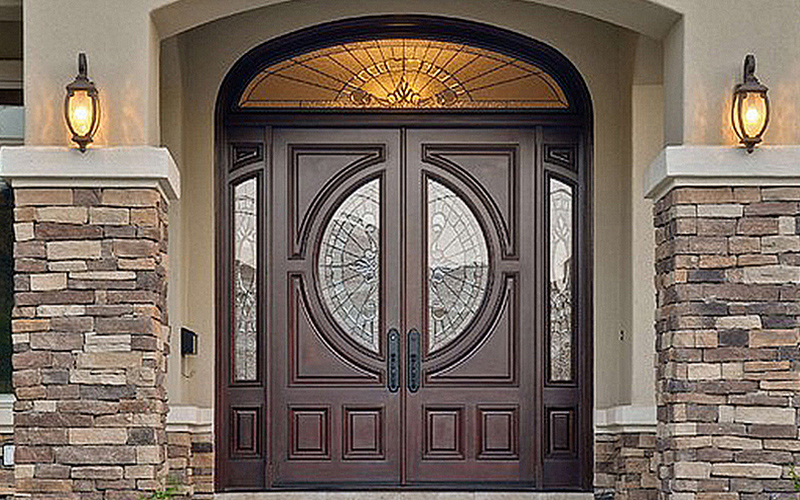

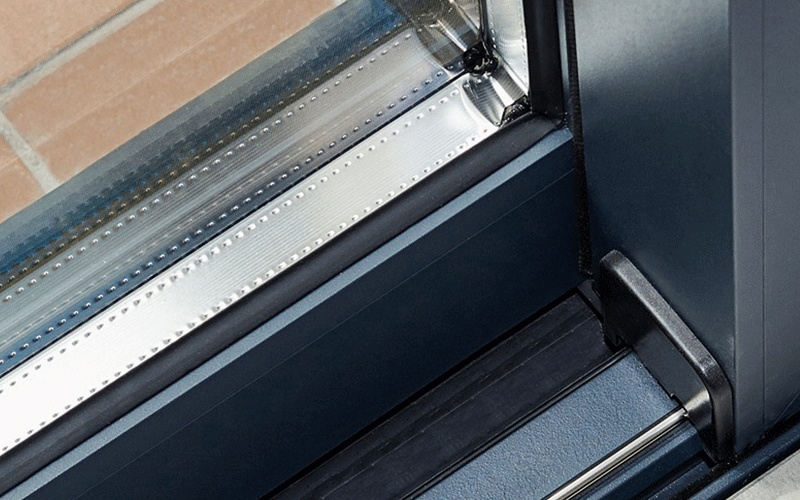
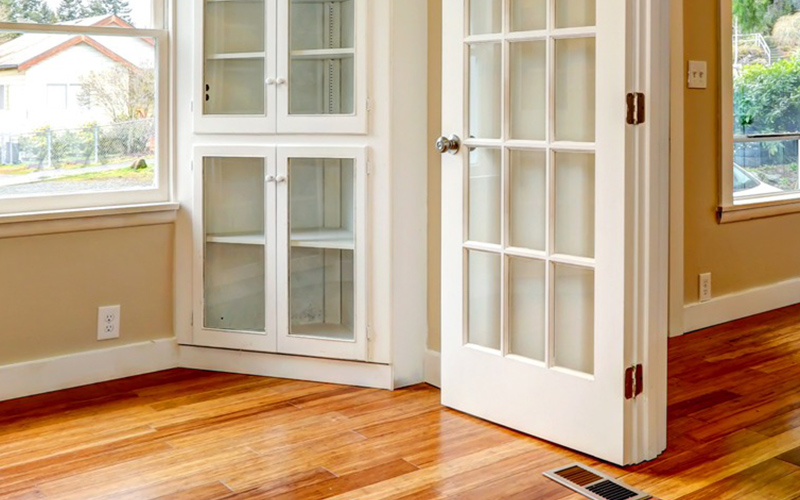
Top Fiberglass Doors Manufacturers in China

China has become an important sourcing base for fiberglass doors, serving residential, commercial, and renovation projects worldwide. Market research from Grand View Research and Fortune Business Insights indicates continued growth in global door demand, supported by urbanization, replacement cycles, and energy-efficiency requirements. These reports also suggest stronger interest in durable, low-maintenance entrance systems.

The market is broad.

However, supplier quality varies considerably. A reliable manufacturer should demonstrate experience with fiberglass skin molding, reinforced profiles, polyurethane or composite cores, and moisture-resistant finishing. Factory audits matter. So do test records.

This guide examines leading fiberglass doors manufacturers in China through practical criteria, including production capacity, material consistency, design flexibility, export experience, and quality-control procedures. It also considers evidence such as ISO 9001 systems, fire or thermal testing, and project references. The U.S. Department of Energy recognizes insulated exterior doors as relevant to building energy performance, while international building research continues to emphasize airtightness and weather resistance.

A polished catalogue is not proof of long-term performance. Buyers should request samples, section drawings, test reports, and clear warranty terms before placing volume orders. No supplier ranking is perfectly objective. Regional strengths, customization needs, and inspection standards can change the result. This overview therefore focuses on verifiable capabilities rather than promotional claims, helping importers compare Chinese manufacturers with greater confidence.
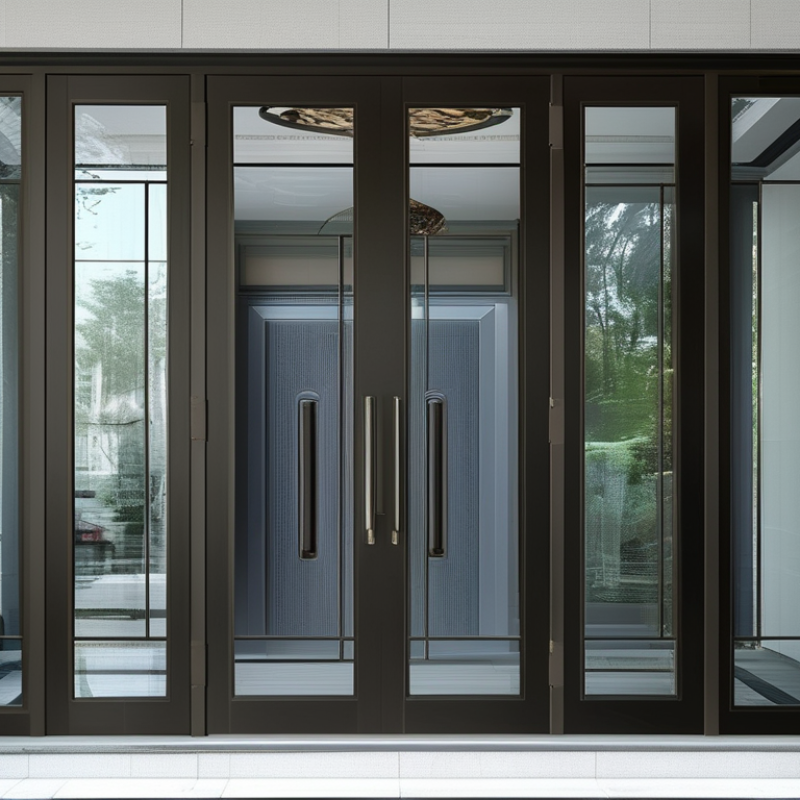
Top Fiberglass Doors Manufacturers in China

Fiberglass Door Manufacturing in China: An Industry Overview

Top Fiberglass Doors Manufacturers in China

Fiberglass door manufacturing in China combines composite forming, precision machining, and export-oriented quality control. Grand View Research’s 2024 market assessment projects roughly 6% annual growth for the global fiberglass doors market through 2030. This demand reflects renovation, energy efficiency, and moisture resistance.

A typical factory begins with glass-fiber reinforcement, resin preparation, and heated compression molding. Surface skins may imitate oak grain, while polyurethane cores improve thermal performance. CNC trimming keeps hinge and lock positions consistent. Small errors matter. A two-millimeter offset can complicate installation.

Quality teams commonly check door thickness, surface adhesion, dimensional tolerance, water absorption, and repeated opening cycles. ASTM, EN, and regional building standards guide testing, but compliance depends on the exact model and destination market. The International Energy Agency reports that buildings account for about 30% of global final energy demand, increasing interest in better-insulated door systems.

China’s manufacturing advantage comes from integrated resin, hardware, glass-fiber, and packaging supply chains. The World Bank’s 2023 Logistics Performance Index placed China 19th globally, supporting reliable movement of finished products. However, cost competition can encourage thinner skins or rushed curing. That risk deserves scrutiny. Buyers should request batch records, independent test reports, sample inspections, and clear warranty terms before placing volume orders.

Top Fiberglass Doors Manufacturers in China - Fiberglass Door Manufacturing in China: An Industry Overview

Fiberglass door production in China commonly combines a fiberglass-reinforced skin, an insulated core, and protective surface finishing. The chart presents manufacturer-neutral reference ranges commonly used for residential and light-commercial fiberglass door specifications. Values are representative industry ranges rather than company-specific data.

Key Features of Leading Chinese Fiberglass Door Manufacturers

Leading Chinese fiberglass door manufacturers combine material science with practical factory experience. They use fiberglass-reinforced skins, moisture-resistant cores, and reinforced stile structures.

A well-built door should feel firm, not hollow, when lifted. Many factories use compression molding for consistent panel profiles and sharper edges. Some lines also apply UV-resistant coatings for entrances exposed to strong sunlight. Color matching remains useful for housing projects with different facade samples.

Reliable manufacturers control more than appearance. They check skin thickness, core density, hinge alignment, and finished dimensions during production.

Water spray tests can reveal weak seals around the frame. Thermal tests help compare insulation performance across seasonal conditions. Independent laboratory reports add credibility, but buyers should verify test dates and product scope. Factory audits, traceable batch numbers, and documented quality procedures make claims easier to trust. Small details matter.

Experienced suppliers usually offer drawings, sample approvals, hardware options, and installation guidance. They can adjust opening sizes, glass layouts, threshold heights, and surface textures for regional needs.

Export teams should understand packaging, container loading, and moisture protection. Yet customization can create mistakes. A decorative design may weaken a stile if engineering review is skipped.

Some suppliers communicate quickly but explain limitations poorly. Buyers should request a full specification sheet, sample, and written tolerance range before ordering. That extra step prevents costly surprises, though it may slow the project slightly.

Main Fiberglass Door Products and Customization Options

Top Fiberglass Doors Manufacturers in China

China’s fiberglass door manufacturers supply entry, patio, and utility doors for residential and commercial projects. Their main products include smooth-skin slabs, wood-grain panels, fire-rated assemblies, and insulated exterior doors. Fiberglass resists moisture, insects, and surface cracking better than many traditional materials. However, performance depends heavily on the door core, edge sealing, and installation quality.

Customization usually starts with dimensions, swing direction, panel layout, and frame depth. Buyers can request oak, walnut, or flush textures, along with painted or stained finishes. Glass options include clear, frosted, laminated, and decorative insulated units.

Hardware preparation may include hinge reinforcement, multipoint locks, closer holes, and adjustable thresholds. Custom colors are possible, but sample approval remains essential because digital color charts can mislead.

Reliable manufacturers should provide material specifications, test reports, inspection records, and packaging details. Ask how the factory controls skin bonding, moisture protection, and dimensional tolerances. A well-made sample should be checked for alignment, corner strength, surface consistency, and smooth operation. Small differences matter. A perfect sample can still hide production risks if quality checks are weak. Buyers should also confirm mold charges, minimum order quantities, replacement policies, and shipping protection before production. Door customization is useful, but too many decorative changes may increase cost, delay, or maintenance needs.

Quality Standards, Certifications, and Production Capabilities

Top Fiberglass Doors Manufacturers in China: Quality Standards, Certifications, and Production Capabilities

Reliable fiberglass door manufacturers should demonstrate more than attractive samples. Their products need consistent dimensions, smooth surface finishes, and stable moisture resistance. Quality teams usually inspect raw materials, skin thickness, core bonding, hardware preparation, and final assembly. Some factories test water absorption, thermal performance, impact resistance, and color stability. These results should come from controlled procedures, not casual visual checks.

Certifications can strengthen a manufacturer’s credibility. ISO 9001 indicates a documented quality management system, while ISO 14001 reflects environmental management practices. Depending on the target market, products may also require testing against relevant ASTM, EN, or GB/T standards. Buyers should verify certificate numbers, issuing bodies, expiry dates, and covered product categories. A certificate alone is not enough. Scope matters. So does traceability. Experienced manufacturers can provide batch records, inspection reports, and corrective-action evidence when defects appear.

Production capability reveals practical experience. Look for controlled molding lines, CNC cutting, insulated core assembly, robotic or skilled finishing, and dedicated testing equipment. Custom sizes, glass openings, textures, colors, and pre-hung configurations require flexible engineering support.

Tips: Request a factory audit, inspect three production batches, and compare test reports with physical samples. Ask how warped doors are handled. The answer may expose weak process control. No factory is perfect. Even strong suppliers should explain limitations honestly, because unexplained confidence can become an expensive problem.

How to Evaluate and Select a Chinese Fiberglass Door Manufacturer

Choosing a Chinese fiberglass door manufacturer requires more than comparing online prices. In my sourcing experience, strong evaluations begin with construction details: skin thickness, resin type, core material, edge sealing, and hardware reinforcement. Ask for a complete specification sheet, not a polished product photo. Request production samples in the actual size and finish. Small samples can hide warping, weak corners, or uneven coating. They sometimes do.

Check whether the factory controls moisture, temperature, and curing time during molding. Visit the facility, or arrange an independent audit, to observe storage racks, trimming stations, and inspection records. Reliable suppliers can explain dimensional tolerances and provide recent reports for water resistance, wind load, thermal performance, and fire behavior where applicable. Verify the laboratory and test scope. A certificate without matching product details proves little. Review export experience, packaging, lead times, replacement procedures, and payment terms. I would also contact two recent customers. References can be imperfect, but silence is worse.

Tips: Compare three quotations line by line. Confirm what is included: frame, sill, lock preparation, glass, carton protection, and spare parts. Use a written quality agreement with limits for color variation, gaps, scratches, and warping. Approve a pre-shipment inspection before loading. Keep communication in clear drawings and signed revisions. Do not choose the lowest offer automatically. Cheap doors may become expensive after installation. Even experienced buyers miss details. Leave room for that mistake.

Top Fiberglass Doors Manufacturers in China - How to Evaluate and Select a Chinese Fiberglass Door Manufacturer
Evaluation Category Data Dimension Recommended Verification Point Relevant Standard or Test Method Evidence to Request Priority
Product Construction Fiberglass skin composition Confirm whether the door skin is manufactured from molded fiberglass-reinforced polymer and whether the construction is consistent across the tested model. Product specification, bill of materials, and independent laboratory report where available. Technical datasheet, cross-section drawing, and material declaration. High
Product Construction Core material and density Compare the stated core type, density, thickness, and moisture resistance. Common core categories include polyurethane foam, polystyrene, and engineered wood components. Manufacturer specification; density and dimensional checks on production samples. Core specification, sample report, and production inspection record. High
Product Construction Frame and reinforcement Check frame material, hinge-side reinforcement, lock-block reinforcement, sill design, and compatibility with the selected hardware. Assembly drawing and hardware compatibility review. Section drawings, hardware schedule, and installation manual. High
Performance Air leakage Require a tested air-leakage result for the complete door assembly rather than for the door slab alone. ASTM E283 or the applicable regional door-performance standard. Laboratory test report showing specimen size, pressure, result, and test date. High
Performance Water penetration resistance Verify resistance to wind-driven rain for the complete installed assembly, including sill, weather seals, and joints. ASTM E331 or an equivalent recognized water-penetration test method. Test report with pressure level, duration, specimen configuration, and observed leakage. High
Performance Structural pressure performance Review the door assembly’s ability to withstand positive and negative pressure without unacceptable permanent deformation or failure. ASTM E330/E330M or the applicable regional structural-performance standard. Structural test report and approved design pressure information. High
Thermal performance U-factor and solar properties Compare the complete door assembly’s U-factor and, where glazing is included, its solar heat gain coefficient. Do not compare slab-only data with whole-door data. NFRC 100 for U-factor and NFRC 200 for solar heat gain coefficient, where applicable. NFRC-related report, simulation file, or accredited laboratory result. High
Durability Accelerated weathering and color retention Assess resistance to ultraviolet exposure, color change, gloss loss, cracking, chalking, and surface degradation. ASTM G154 or ASTM G155 for accelerated weathering, supported by project-specific acceptance criteria. Weathering report, coating specification, and color-retention requirements. Medium
Durability Moisture and rot resistance Confirm that the fiberglass skin, edges, frame, sill, and joints are protected against water absorption and moisture-related deterioration. Material data, edge-sealing procedure, water-exposure inspection, and assembly testing. Edge-detail drawings, sealant specification, and quality-control checklist. High
Quality Management Manufacturing quality system Check whether production, incoming materials, process controls, nonconforming-product handling, and corrective actions are documented. ISO 9001 certification may support the review but does not replace product testing. Valid certificate, audit summary, inspection plan, and sample quality records. High
Quality Management Production consistency Compare approved samples with mass-production units for dimensions, color, surface finish, hardware position, seal compression, and packaging. Pre-production approval, first-article inspection, and pre-shipment inspection. Golden sample, inspection standard, measurement record, and defect classification. High
Customization Available dimensions and designs Verify maximum and minimum door sizes, slab thickness, glazing options, embossing patterns, colors, hardware preparation, and opening direction. Approved shop drawings and written tolerance schedule. Product catalog, CAD drawings, sample approval form, and dimensional tolerances. Medium
Compliance Market-specific certification Identify the destination market and request only certifications and test reports applicable to that jurisdiction and product configuration. Examples include AAMA/WDMA/CSA 101/I.S.2/A440 for applicable fenestration products and local building-code requirements. Certificate scope, issuing body, report number, tested configuration, and expiration status. High
Supply Capability Lead time and capacity planning Separate tooling, sample, production, inspection, and shipping time. Confirm capacity for the required size mix rather than relying only on a monthly quantity statement. Purchase-order schedule and documented production plan. Lead-time breakdown, capacity plan, production calendar, and contingency procedure. High
Supply Capability Packaging and export protection Check corner protection, moisture protection, palletization, labeling, stacking limits, and suitability for the intended transport route. Packaging specification and trial shipment inspection. Packaging drawings, photographs, packing list, and damage-claim procedure. Medium
Commercial Terms Total landed cost Evaluate door, frame, hardware, glazing, packaging, tooling, testing, inland transport, freight, insurance, duties, and installation-related costs together. Incoterms® 2020 should be stated clearly in the quotation and purchase contract. Itemized quotation, Incoterm, payment terms, tooling charges, and validity period. High
After-Sales Support Warranty and claims process Review warranty duration, exclusions, finish coverage, replacement-part availability, response time, and responsibility for verified manufacturing defects. Written warranty and documented nonconformity procedure. Warranty document, claims form, spare-parts list, and escalation contacts. High
Supplier Verification Factory and legal-entity verification Confirm the legal entity, manufacturing address, business scope, production equipment, inspection area, and whether production is outsourced. Document review, live video audit, or independent third-party factory inspection. Business registration information, factory audit report, equipment list, and production photographs. High
Supplier Verification Reference-project verification Request references for products with similar climate exposure, dimensions, glazing, hardware, and installation conditions. Reference checks and project-specific performance review. Redacted project list, shipment records, installation feedback, and permitted site photographs. Medium
Selection note: Test reports should match the exact door, frame, glazing, hardware, and installation configuration being purchased. A certificate or report should be checked for its issuing laboratory, scope, specimen description, test method, result, and validity status before it is used for supplier comparison.