Top Benefits of Fiberglass Doors for Homeowners Today?
Fiberglass doors have gained immense popularity among homeowners seeking durability and aesthetic appeal. These doors provide a blend of strength and style that few other materials can match. Their lightweight structure allows for easy installation, while providing excellent insulation for energy efficiency. Many homeowners appreciate the low maintenance required and the resistance to rust and warping commonly seen in wooden doors.
Additionally, fiberglass doors offer a variety of designs and finishes. Homeowners can choose from traditional styles to modern looks, easily enhancing their home's curb appeal. Despite these advantages, some may question the initial cost of fiberglass doors compared to other materials. However, the long-term value they provide often outweighs this consideration.
Investing in fiberglass doors could be a decision many homeowners reflect on as they weigh aesthetics against practicality. They cater to needs and preferences while promising reliable performance over time. As the market evolves, understanding the top benefits of fiberglass doors can guide informed choices for any homeowner passionate about improving their living space.
Advantages of Fiberglass Doors Over Traditional Wooden Doors
Fiberglass doors offer distinct advantages over traditional wooden doors for homeowners today. One key benefit is durability. Unlike wood, fiberglass does not warp or crack over time. This makes it ideal for various weather conditions. Homeowners appreciate that these doors can withstand harsh elements without losing their aesthetic appeal.
Another significant advantage is energy efficiency. Fiberglass doors are excellent insulators. They help maintain indoor temperatures, reducing energy bills. For families looking to save on heating and cooling, this is a major plus. In addition, fiberglass doors require minimal maintenance. They do not need regular painting or sealing like wooden doors. This saves time and effort for busy homeowners.
Despite these benefits, some may worry about the cost. Fiberglass doors can have a higher upfront price. However, their longevity and lower maintenance needs often make them more economical in the long run. Homeowners should weigh these factors carefully. Choosing a door is an investment in comfort and style, requiring thoughtful consideration of both initial costs and future savings.
Top Benefits of Fiberglass Doors for Homeowners Today
| Benefit |
Description |
Comparison with Wood |
| Durability |
Fiberglass doors resist warping, cracking, and splitting, ensuring longevity. |
Wood doors can warp and split over time, reducing their lifespan. |
| Energy Efficiency |
Fiberglass doors provide better insulation, keeping homes warm in winter and cool in summer. |
Wood doors generally offer less insulation and can lead to higher energy costs. |
| Low Maintenance |
They require minimal upkeep compared to wood doors, which need regular staining and sealing. |
Wood doors require frequent maintenance to prevent decay and discoloration. |
| Aesthetic Versatility |
Available in a wide range of styles and finishes, easily matching home decor. |
While wood also offers variety, the finish may fade or change over time. |
| Security |
Fiberglass doors are often stronger than wood doors, providing better security. |
Wood doors may be easier for intruders to break through. |
Energy Efficiency Benefits of Fiberglass Doors for Homeowners
Fiberglass doors offer remarkable energy efficiency benefits for homeowners today. These doors resist heat and cold more effectively than traditional materials, leading to lower energy bills. Their insulation properties help maintain indoor temperatures, making your home more comfortable year-round.
Consider these tips when selecting fiberglass doors. Look for models with a high energy efficiency rating. This ensures you are investing in a product that will save you money over time. Also, check for proper sealing. A well-sealed door prevents drafts, enhancing your home’s energy performance.
You may face some challenges when choosing. Fiberglass doors can be more expensive upfront, yet their long-term savings often outweigh initial costs. Keep in mind that not all fiberglass doors are created equal. Research various options and consult with professionals for guidance. This can deepen your understanding and help you make an informed choice.
Top Benefits of Fiberglass Doors for Homeowners Today
Durability and Maintenance: Why Fiberglass Doors Last Longer
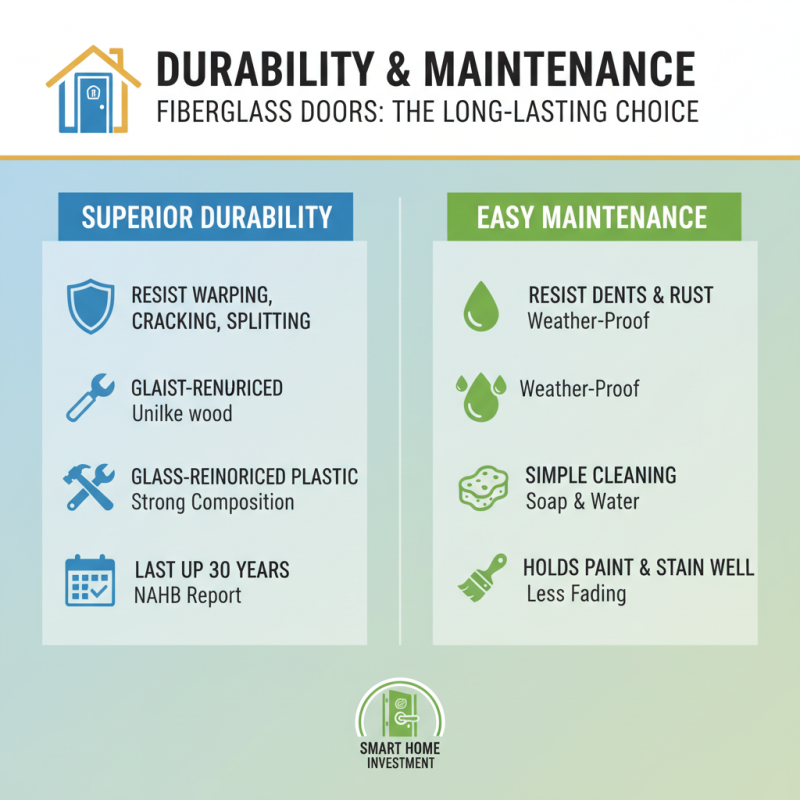
Fiberglass doors have gained popularity among homeowners for several compelling reasons, especially regarding durability and maintenance. Made from glass-reinforced plastic, these doors resist warping, cracking, and splitting, unlike traditional wooden doors. The National Association of Home Builders (NAHB) reports that fiberglass doors can last up to 30 years with proper care, making them a long-term investment.
The maintenance requirements for fiberglass doors are minimal. Unlike wood, they do not require regular painting or staining. A simple wash with soap and water suffices to keep them looking new. A study by the National Center for Home Improvement indicates that homeowners can save up to 50% on maintenance costs over a door's lifetime when choosing fiberglass. However, some people overlook the importance of regular inspection for possible scratches or dents that may affect appearance and function.
While fiberglass doors have many strengths, there can be challenges. Improper installation may lead to seal issues, compromising energy efficiency. Additionally, some homeowners report that color options may fade over time, impacting aesthetic appeal. It's essential to weigh these factors when considering fiberglass as an option. Understanding both the benefits and potential drawbacks is crucial for homeowners seeking lasting solutions.
Aesthetic Versatility: Customization Options for Fiberglass Doors
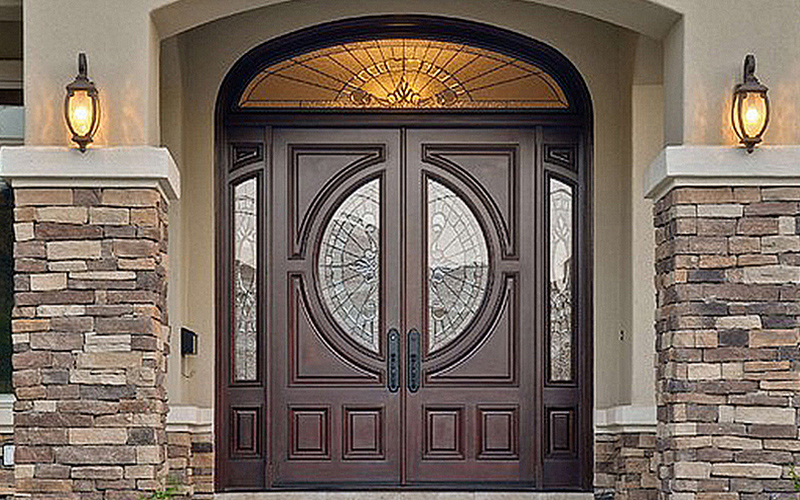
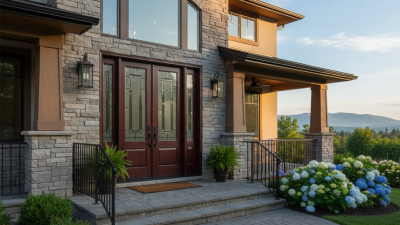
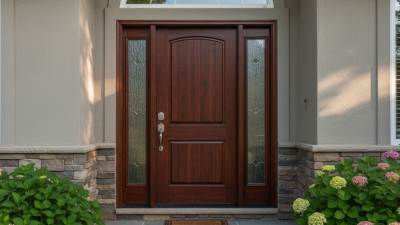
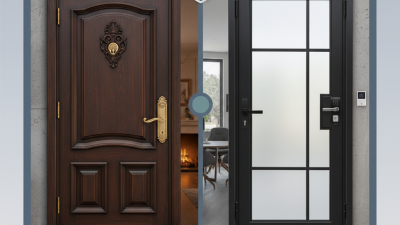
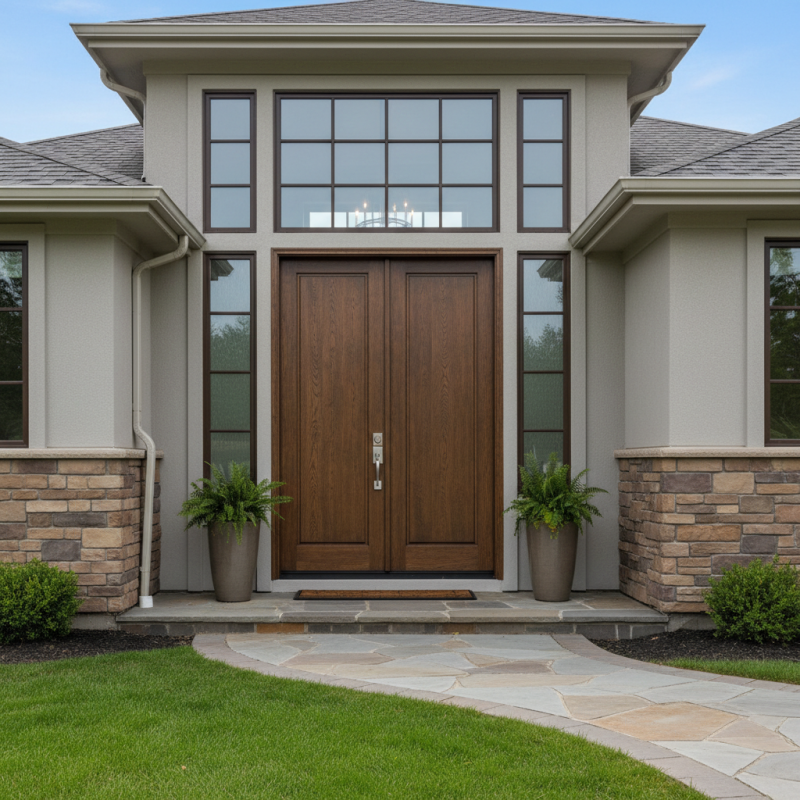
Fiberglass doors offer impressive aesthetic versatility for homeowners today. Their customization options allow for a wide range of styles, colors, and finishes. Whether you desire a classic look or a modern touch, fiberglass doors can meet your vision. You can choose wood-like finishes for natural warmth or bright colors for a vibrant statement. The design possibilities are nearly endless.
When selecting fiberglass doors, it's essential to consider your home’s overall theme. A cohesive style enhances curb appeal. Even small details, like door handles and sidelights, can make a big difference. Mixing textures can be effective, but be cautious. Too many styles can clash, detracting from the desired look.
Tips: Think about your landscaping, as it influences door choice. If your garden is lush, a rich, warm-toned door might complement it beautifully. Also, remember that installation matters. An improperly installed door may not showcase its full potential, so invest in experienced professionals. Taking the time to choose and install the right fiberglass door will reward you with an entrance that reflects your personal style.
Cost-Effectiveness of Fiberglass Doors in the Long Term
When considering home improvement, fiberglass doors stand out for their cost-effectiveness over time. Unlike traditional wooden doors, fiberglass options resist warping and rotting. This durability translates to fewer repairs and replacements, saving homeowners money. Over a decade, the reduced maintenance costs become significant. Homeowners can invest in quality without the worry of constant expenses.
Additionally, fiberglass doors provide excellent energy efficiency. They prevent air leakage better than many materials. This insulation quality helps reduce heating and cooling costs. Homeowners notice smaller utility bills, adding to long-term savings. The initial cost might be higher, but the return on investment is clear.
It's important to acknowledge that while fiberglass doors have many benefits, they aren't without drawbacks. Some homeowners may find them less customizable than wooden options. Also, the installation process can be more complex, requiring professionals. These factors should be considered, as they may impact the overall value. Weighing these pros and cons helps homeowners make informed decisions.