



What Are the Best China Window Doors for Global Buyers?
Choosing the best China window doors for global buyers requires more than comparing catalog prices. The right choice depends on climate, building design, energy goals, and local compliance requirements. A coastal villa in Miami may need corrosion-resistant aluminum, laminated glass, and strong water protection. A residential project in northern Europe may require thermal-break frames, triple glazing, and carefully tested air tightness. The same product cannot serve every market equally well.
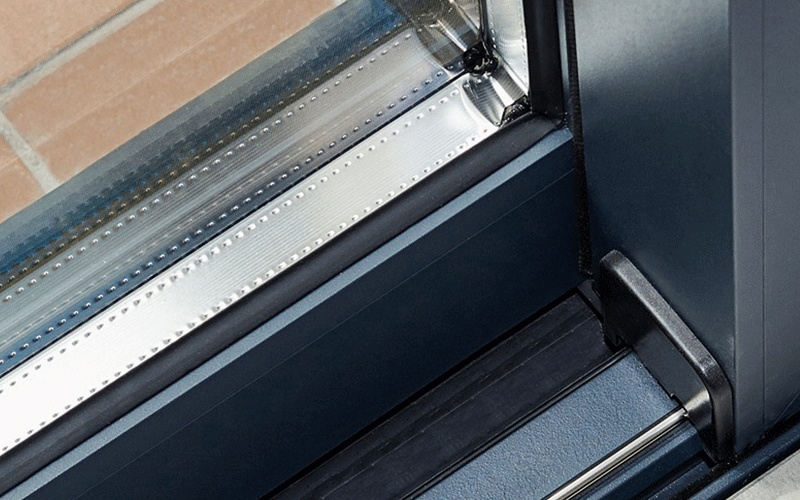
China offers a wide range of window doors, including aluminum systems, uPVC frames, sliding doors, folding doors, and customized architectural solutions. Experienced suppliers can provide profile samples, color finishes, hardware options, and glass configurations before production begins. These details matter. A handle should feel firm, rollers should move smoothly, and frame corners should remain clean after assembly. Small flaws often reveal larger quality problems.
Reliable sourcing also requires evidence. Global buyers should review factory experience, quality-control procedures, independent test reports, warranties, and project references. Compliance with local building standards must be confirmed by qualified professionals in the destination country. Certifications alone do not guarantee suitable performance. They need to match the actual product, glass type, and configuration being purchased.
There is no universal winner. Sometimes a lower-cost frame becomes expensive after installation delays, damaged goods, or poor after-sales support. This is where buyers need careful judgment. Even experienced teams can overlook drainage design or shipping protection. A practical evaluation should balance performance, appearance, price, service, and long-term maintenance. The best window doors are not simply made in China; they are properly specified, tested, and supported for their intended environment.
China Window and Door Types for Different Global Building Needs
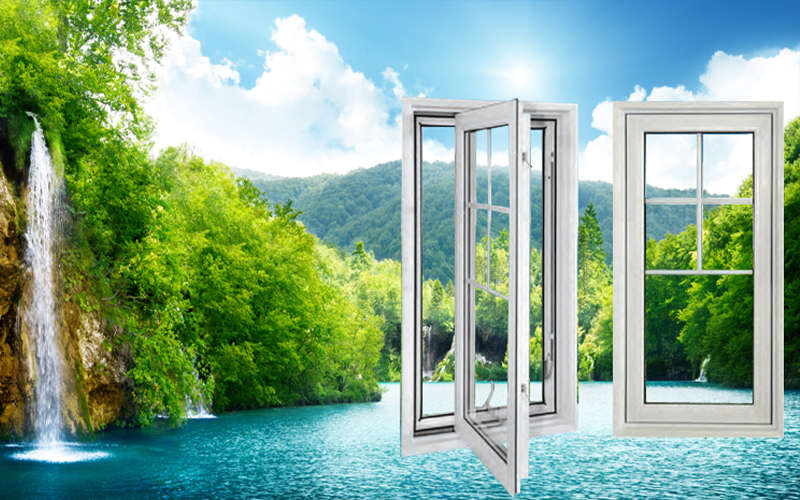
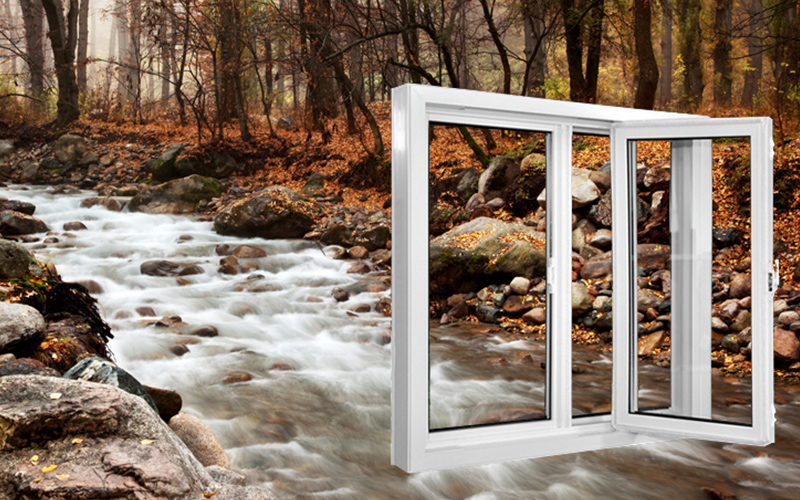
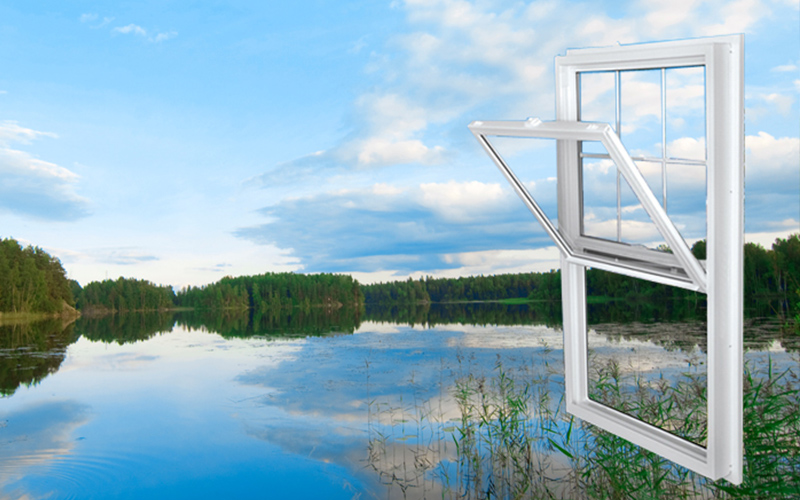
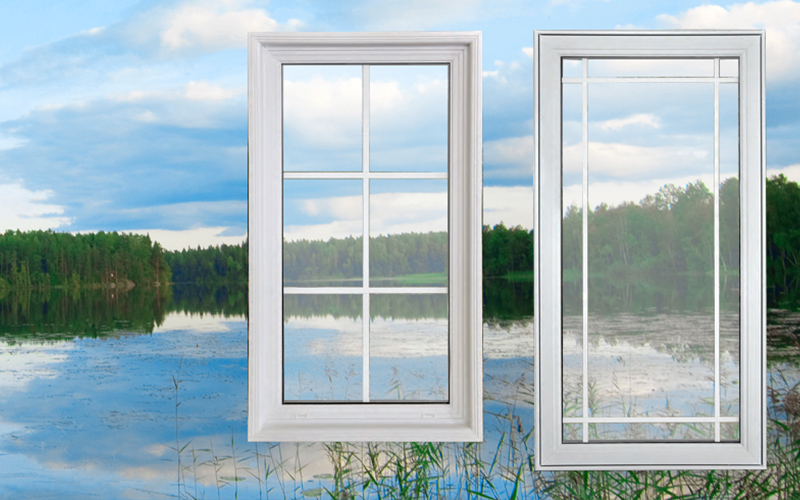
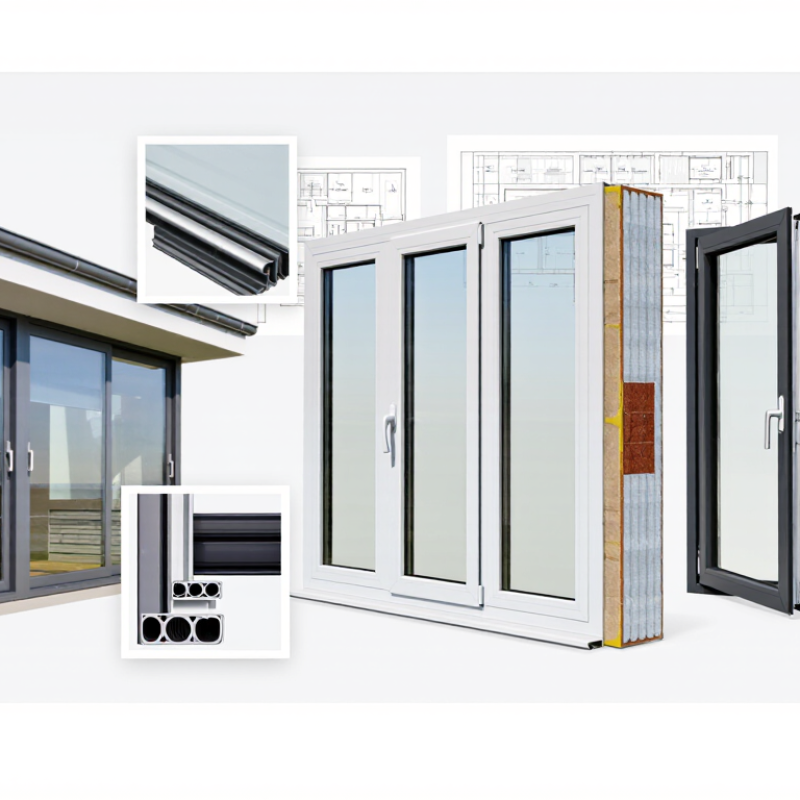
Global buyers need window and door types that match climate, building use, and installation conditions. Casement windows provide strong ventilation and tight sealing for homes in temperate regions. Sliding windows save space and suit balconies, apartments, and narrow rooms. Tilt-and-turn windows offer flexible airflow and easier cleaning, especially in upper-floor housing.
For hot climates, thermally broken aluminum frames can reduce heat transfer while keeping a slim appearance. uPVC windows provide practical insulation and low maintenance for residential projects. Wood-aluminum systems create a warmer interior finish, but they require careful moisture control. For coastal buildings, use corrosion-resistant hardware and tested surface coatings. Large folding doors can connect living rooms with patios, although their tracks need excellent drainage and accurate installation.
Tips: Ask for full window performance data, not only frame material. Check thermal values, air tightness, water resistance, glass configuration, and hardware durability. Confirm local size standards before production. A design that works in a dry region may fail in humid weather. No system is perfect. Even a high-quality door can perform poorly when the opening is uneven or the seal is fitted carelessly. Request sample sections, installation drawings, and quality inspection records. Also review replacement hardware access. This detail is often missed.
| Window or Door Type | Typical Opening Style | Best-Suited Building Needs | Recommended Climate or Exposure | Typical Glazing Options | Main Performance Advantages | Key Buyer Considerations |
|---|---|---|---|---|---|---|
| Thermal-Break Aluminum Casement Window | Side-hinged inward or outward opening | Residential buildings, apartments, villas, offices and low-rise commercial projects | Hot Cold Windy | Double or triple insulating glass; low-emissivity coating; argon-filled cavity where available | Good ventilation control, strong weather sealing, and improved thermal insulation compared with non-thermal aluminum frames | Check thermal-break continuity, gasket quality, drainage design, hardware load rating and tested air, water and wind performance |
| Aluminum Sliding Window | Horizontal sliding sash | Compact apartments, balconies, kitchens, utility rooms and projects requiring space-saving operation | Mild Warm Low-Wind | Single or double insulating glass, depending on local energy requirements | Requires no interior or exterior swing clearance and is simple to operate | Sliding systems generally provide less compression sealing than well-designed casement systems; verify water drainage and track performance |
| uPVC Tilt-and-Turn Window | Tilts inward for ventilation or turns inward for full opening | Energy-efficient homes, hotels, schools and residential developments | Cold Temperate Noise-Sensitive | Double or triple insulating glass; low-emissivity and acoustic glass options | Strong compression sealing, flexible ventilation and generally good thermal performance | Confirm profile reinforcement, ultraviolet resistance, fire classification where required and compatibility with local installation practices |
| Thermal-Break Aluminum Lift-and-Slide Door | Large sliding panels with lift-and-slide hardware | Villas, hotels, terraces, balconies and projects requiring wide glazed openings | Warm Cold Coastal | Large-area double or triple insulating glass; solar-control or laminated safety glass when appropriate | Wide openings, smooth operation for heavy panels and improved thermal separation with a properly designed thermal break | Large glass panels require structural calculations, careful packaging, suitable lifting equipment and verified water management |
| Aluminum Bi-Folding Door | Multiple hinged panels folding to one or both sides | Restaurants, hospitality venues, garden rooms and indoor-outdoor living spaces | Warm Temperate Sheltered | Double insulating glass; laminated or toughened safety glass according to application | Creates a broad clear opening and can connect interior spaces with terraces or gardens | Performance depends on panel alignment, hinge adjustment, sill design, drainage and the number of opening leaves |
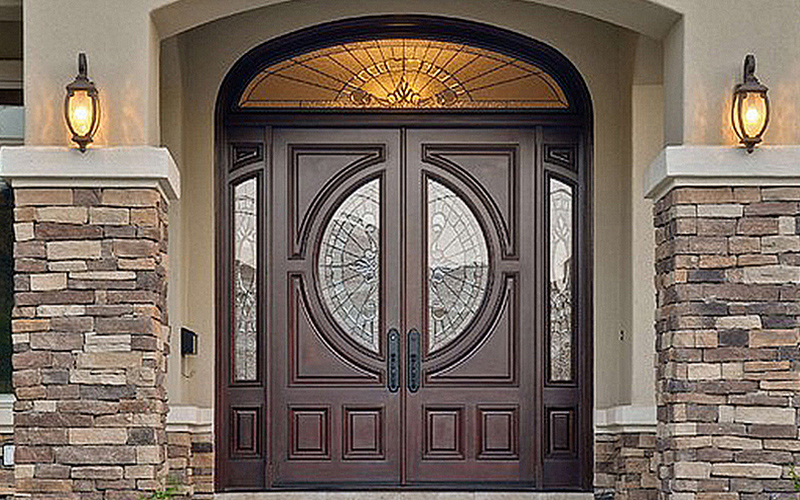
| Aluminum Entrance Door | Single or double hinged opening | Apartment entrances, offices, retail buildings, schools and public facilities | All Climates High Traffic | Insulating glass, laminated glass, opaque insulated panel or decorative glazing | Durable frame options, broad design flexibility and suitability for frequent use when fitted with correctly rated hardware | Specify threshold accessibility, lock type, closer strength, security requirements, corrosion resistance and door-cycle testing |
| uPVC Sliding Patio Door | Horizontal sliding panel | Residential balconies, patios and moderate-size exterior openings | Temperate Cold Sheltered | Double insulating glass; laminated safety glass for locations requiring additional impact protection | Low maintenance, space-efficient operation and good thermal insulation when the frame and glazing are properly specified | Verify resistance to ultraviolet exposure, track drainage, reinforcement and the maximum recommended panel size |
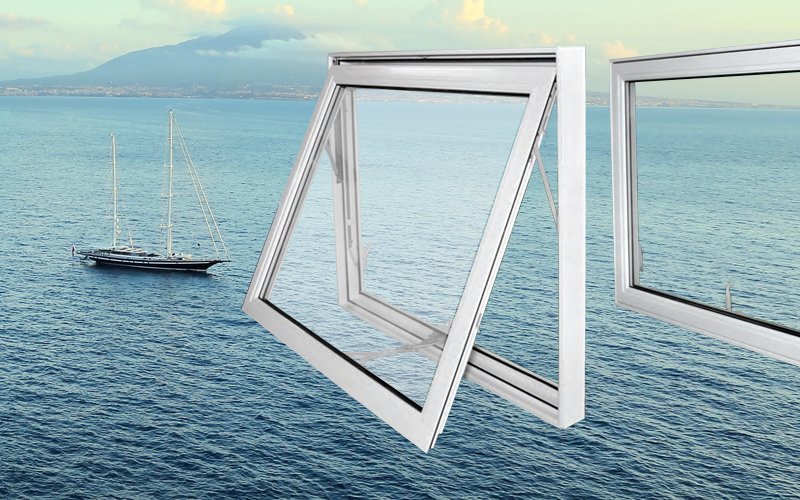
| Louvered or Awning Window | Top-hinged outward opening or adjustable horizontal louvers | Bathrooms, kitchens, basements, service areas and buildings needing controlled ventilation | Warm Humid Rain-Sheltered | Single glass, insulating glass or obscured glass, depending on privacy and energy needs | Allows ventilation while limiting the required opening area; some awning designs can ventilate during light rain | Not every louvered system provides high weather resistance; confirm air leakage, water penetration and security performance |
| Impact-Resistant Glazed Door or Window | Casement, sliding or fixed configuration with reinforced construction | Coastal housing, hurricane-prone regions and buildings exposed to severe wind-borne debris | Hurricane Zones Coastal Severe Wind | Laminated impact glass with tested frame and hardware system | Designed to improve resistance to wind pressure and flying debris when the complete assembly has been tested | Require region-specific certification; glass alone is not sufficient without compatible frames, anchors, locks and installation details |
| Fire-Rated Glazed Door | Hinged single or double door, subject to the tested assembly | Stairwells, corridors, commercial buildings and regulated compartment boundaries | All Climates Life Safety | Certified fire-resistant glazing within a tested fire-rated frame and hardware assembly | Can support compartmentation and egress requirements when specified and installed as a complete certified system | Fire rating, smoke-control requirements, glazing type, frame, hardware and installation must match the applicable local code |
Related Posts
-
China Top 10 Replacement Windows and Doors Manufacturers?
-
What is the Best Pro Windows and Doors Solution for Your Home
-

How to Source Pro Windows and Doors in 2026?
-

Best House Doors for Security and Aesthetic Appeal?
-
Why Choose Vinyl Sliding Doors for Your Home Improvements?
-
What Are the Benefits of Using Fiberglass Doors for Your Home?