What are Vinyl Doors and Their Benefits for Your Home?
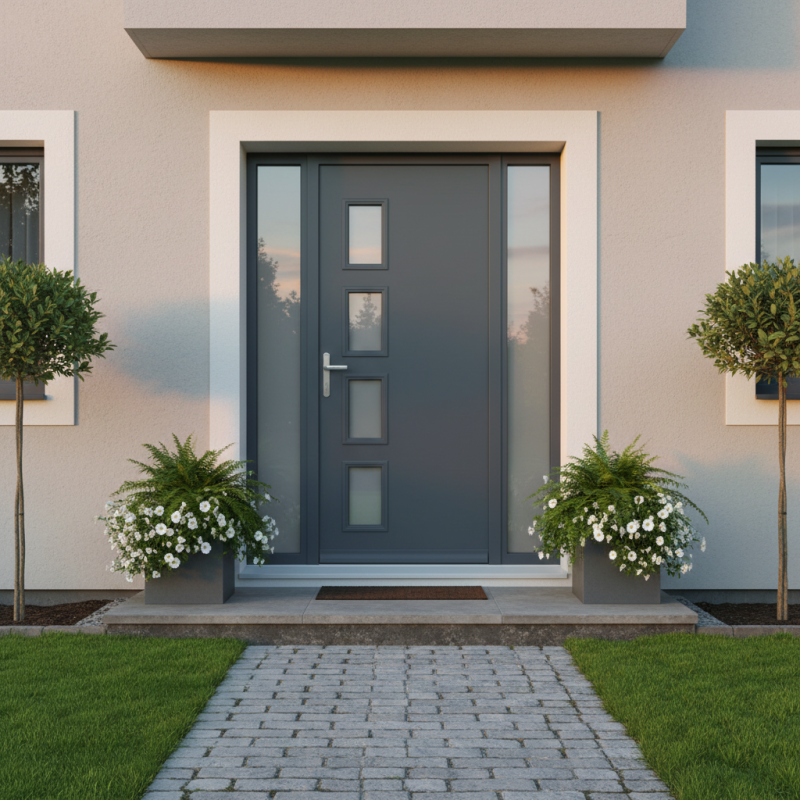
Vinyl doors are becoming a popular choice for homeowners seeking durability and aesthetic appeal. Expert in home improvement, Mark Thompson, states, "Vinyl doors offer unmatched performance and style for every home." These doors are lightweight yet robust, providing excellent insulation and resistance to elements.
Many homeowners appreciate the low maintenance requirements of vinyl doors. Unlike wood, they do not warp or rot. However, some fail to recognize the limitations of color choices compared to other materials. While vinyl doors come in many designs, limited color options may affect personal preference.
Incorporating vinyl doors in your home can enhance curb appeal without exhausting your budget. Reflect on whether the investment aligns with your long-term goals. The durability and efficiency they promise should not be underestimated.
What are Vinyl Doors?
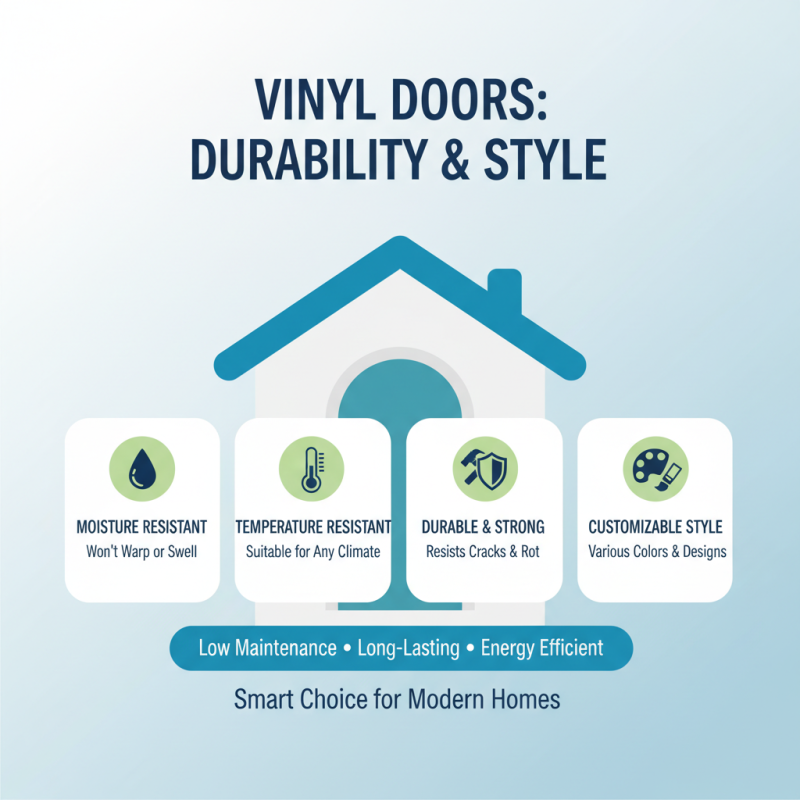
Vinyl doors are an often-overlooked option for homeowners seeking durability and style. Made from synthetic materials, these doors can resist moisture and extreme temperatures. They do not warp or crack, unlike traditional wood. This makes them suitable for various climates. Vinyl doors come in a wide range of colors and styles, allowing for customization to fit your home’s aesthetics.
One common misconception is that vinyl doors lack character. However, many designs mimic the appearance of wood, offering both beauty and longevity. They are also low maintenance; a simple wash with soap and water can keep them looking fresh. On the downside, some homeowners worry about their insulation properties. It's important to investigate options that match your insulation needs.
Moreover, vinyl doors can be budget-friendly. They typically cost less than wooden or fiberglass doors. However, some might question their environmental impact. Vinyl is derived from petroleum products, which raises concerns about sustainability. Each homeowner must weigh these factors when considering vinyl doors for their home.
Key Features of Vinyl Doors
Vinyl doors are becoming increasingly popular in many homes. They are made from a versatile synthetic material, which offers a range of benefits. One major feature is their durability. Vinyl doors resist rot and decay, making them ideal for humid climates. They can withstand harsh weather, such as rain and sunlight, without warping.
Another key feature is the low maintenance required. Unlike wood or metal, vinyl doors do not need regular painting or staining. A simple wipe with a damp cloth keeps them looking fresh. However, it is important to clean them regularly to prevent dirt buildup. Sometimes, homeowners overlook this step, leading to a dull appearance over time.
When choosing vinyl doors, consider energy efficiency. Many designs include insulated cores, providing excellent thermal performance. This can help reduce energy costs dramatically. Ensure you're aware of the door's energy ratings before purchase. It's easy to overlook this detail, but it can impact your home's comfort and expenses significantly.
In your selection process, check color options carefully. Vinyl doors offer a range of colors but can fade over time. Stick with neutral shades if you want longevity. Remember that every choice comes with pros and cons. Always think critically about your needs and lifestyle when selecting the right door for your home.
Benefits of Installing Vinyl Doors in Your Home
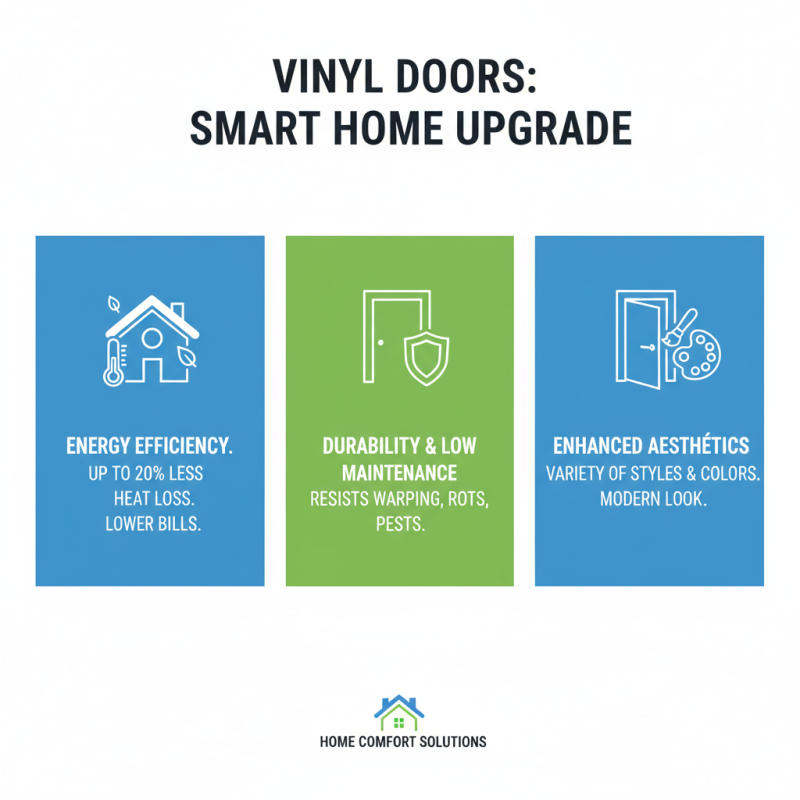
Vinyl doors are becoming a popular choice for homeowners. They offer several benefits that enhance both aesthetics and functionality. One major advantage is their energy efficiency. According to the Department of Energy, vinyl doors can reduce heat loss, helping to lower energy bills by up to 20%. This is crucial in maintaining a comfortable home environment year-round.
In addition to energy savings, vinyl doors are highly durable. They resist cracking, warping, and peeling. A study from the American Association of Home Improvement shows that vinyl doors can last over 30 years with proper maintenance. However, some homeowners may find that changing the color or style later can be challenging. Be mindful of your long-term design choices when installing them.
Tips for installation: Ensure you measure your door frame correctly. Accurate measurements prevent gaps that could diminish energy efficiency. Regularly inspect seals and hinges. This simple routine can extend the life of your vinyl doors. Remember to keep them clean regularly to maintain their appearance. Small details matter; dirty doors can detract from your home’s curb appeal.
Comparing Vinyl Doors with Other Door Materials
Vinyl doors have become increasingly popular in modern homes for various reasons. Unlike wooden or metal doors, vinyl doors are resistant to rot and corrosion. They can withstand harsh weather conditions without losing their charm. Moreover, vinyl does not require painting or staining, which can save homeowners time and money.
When comparing vinyl doors to wood, the differences are obvious. Wood offers a classic, warm look but demands regular maintenance. It can warp or swell over time, affecting its appearance and function. In contrast, vinyl remains stable, even in humid environments. While some may miss the traditional aesthetics of wood, vinyl doors can be designed to mimic this look effectively.
Metal doors, on the other hand, can provide superior security. They resist impact and offer excellent security features. Yet, they may dent easily and require repairs. Additionally, metal can be susceptible to rust, especially in coastal areas. In this way, vinyl doors represent a balanced choice, blending durability with aesthetic appeal while requiring minimal upkeep. Homeowners should weigh the pros and cons of each material before making a decision.
What are Vinyl Doors and Their Benefits for Your Home? - Comparing Vinyl Doors with Other Door Materials
| Door Material |
Durability |
Maintenance |
Energy Efficiency |
Cost |
Aesthetics |
| Vinyl Doors |
Highly durable, resistant to warping and cracking |
Low maintenance, easy to clean |
Excellent insulation properties |
Moderate price, great long-term investment |
Available in various colors and styles |
| Wood Doors |
Strong but may warp or crack over time |
Requires regular maintenance and refinishing |
Good insulation, but can be affected by humidity |
Higher initial cost, but varies with type of wood |
Natural beauty with classic appeal |
| Steel Doors |
Very durable, resistant to impact and forced entry |
Low maintenance but may need painting due to rust |
Good thermal performance with proper insulation |
Cost-effective, typically lower than wood doors |
Limited design options compared to wood |
| Fiberglass Doors |
Durable and resistant to dents and rust |
Requires minimal maintenance, easy to clean |
Excellent insulation properties |
Higher cost but long-lasting value |
Can mimic the look of wood |
Maintenance Tips for Vinyl Doors
Vinyl doors are a popular choice for homeowners. They are durable, energy-efficient, and low maintenance. Yet, maintaining them properly is essential for longevity.
Cleaning vinyl doors is simple. Regularly wipe them down with mild soap and water. Avoid harsh chemicals, as they can damage the surface. For stubborn stains, a soft brush might help. Pay attention to the seams, where dirt tends to accumulate.
Inspecting the seals and hardware is also crucial. Look for any signs of wear or damage. Replace worn weather stripping to prevent drafts. This can significantly enhance energy efficiency. Even small cracks can lead to bigger problems down the line. Regular maintenance can prevent costly repairs later. Ensure your vinyl doors stay functional and attractive with these easy care tips.