Top 10 Replacement Exterior Doors Buyers Should Consider

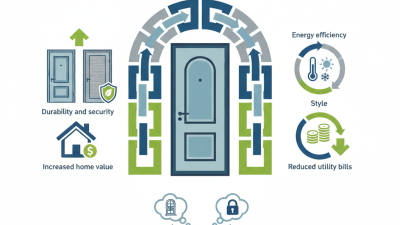
Choosing replacement exterior doors is more than a curb-appeal decision. It affects security, energy use, weather protection, and daily comfort. A door that looks attractive but leaks air can become an expensive disappointment.

Bob Vila, a veteran home-improvement expert, has said, “Your front door is the first impression your home makes.” That impression begins with texture, color, and hardware. It continues with how smoothly the door closes during a windy evening. Buyers should also examine frame construction, insulation, glass performance, threshold design, and warranty coverage. These details often matter more than a showroom finish.

Small details matter.

This guide explores the top 10 replacement exterior doors buyers should consider for different homes, climates, budgets, and security needs. Steel doors may offer strong protection and practical value. Fiberglass doors can imitate wood while resisting moisture and warping. Solid wood doors provide warmth and character, but they demand more maintenance. Modern doors with low-emissivity glass can brighten an entryway without inviting excessive heat.

Still, no material is perfect. A premium door can perform poorly when installed badly. A budget-friendly option may serve one home better than an expensive custom model. That is where careful comparison becomes important. Measure the opening twice, inspect the sill, and ask how the door handles your local weather. Some choices may look ideal online, yet feel too heavy, too plain, or difficult to maintain in real life.

The best replacement exterior doors balance appearance, performance, installation quality, and long-term value. This overview keeps those practical realities in view.

Top 10 Replacement Exterior Doors Buyers Should Consider

What Replacement Exterior Doors Are and Why They Matter

Replacement exterior doors are new entry or patio doors installed after an existing door has aged, failed, or no longer fits the home. They can improve security, weather resistance, comfort, and daily use. A draft around the threshold is not a minor annoyance. It can raise heating costs and leave damp marks on flooring.

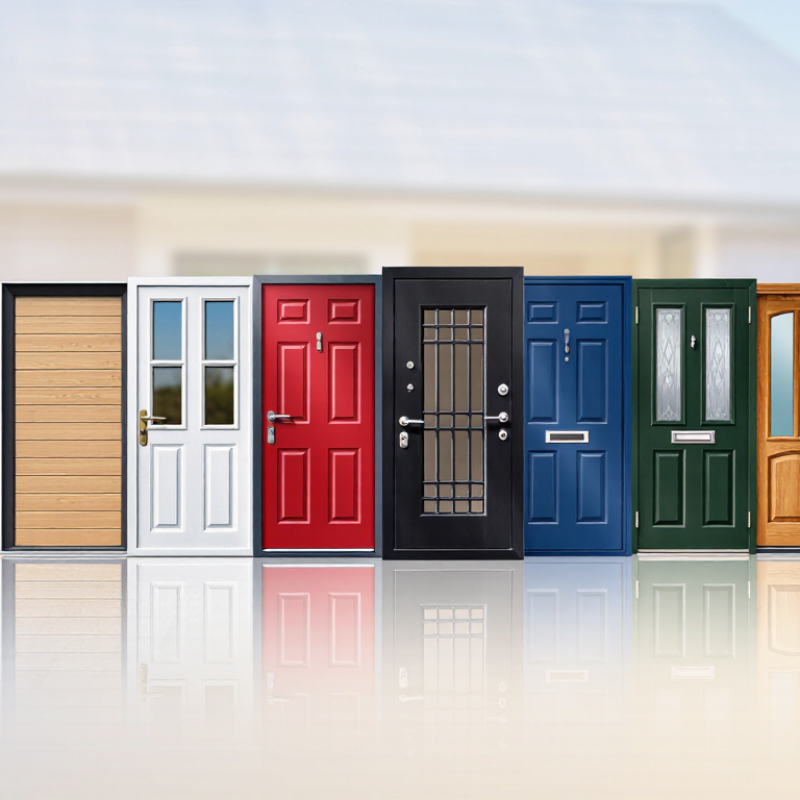
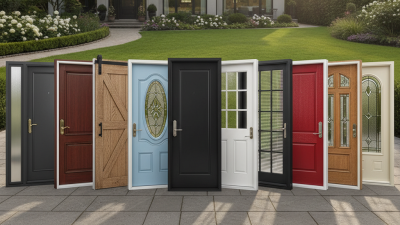
Buyers often compare ten practical options: fiberglass, steel, solid wood, insulated panels, glass-panel doors, French doors, sliding doors, storm doors, sidelights, and custom-sized units. Each serves a different need. Fiberglass resists moisture well, while steel offers strong impact resistance. Wood provides warmth and character but needs regular sealing. Glass can brighten a dark hallway, yet its privacy and energy performance require careful review.

Measure the opening at several points, not just once. Walls shift. Old frames can hide uneven gaps, and a beautiful door may perform poorly if installed out of square. Check the threshold height, swing direction, locking hardware, drainage, and local safety requirements. Look for reliable performance data, including insulation values and air-leakage ratings. An experienced installer should inspect rot before quoting the replacement. I once assumed a worn frame needed only fresh trim; the concealed moisture proved otherwise. That mistake changed how I evaluate door projects. A replacement door matters because it connects comfort, security, maintenance, and long-term repair costs in one highly used part of the home.

Ten Exterior Door Types and Materials Buyers Should Compare

Replacing an exterior door requires more than matching the front facade. Compare fiberglass, steel, solid wood, engineered wood, aluminum, glass, composite, uPVC, wrought iron, and sliding patio doors. Each option behaves differently under weather, daily use, and maintenance demands.

Fiberglass resists moisture and can imitate wood grain. Steel offers strong security, but its finish may dent or rust when neglected. Solid wood feels warm and substantial, yet it needs sealing around exposed edges. Engineered wood reduces movement, although poor installation can still cause swelling.

Aluminum is lightweight and corrosion-resistant, but it may transfer outdoor heat indoors. Glass doors brighten entryways, while low-emissivity glazing can improve comfort. They still require careful privacy planning.

Composite doors often resist impact and moisture, though quality varies between constructions. uPVC needs little painting, but some frames can look less refined. Wrought iron creates a distinctive entrance and demands regular rust inspection. Sliding patio doors save space, but their tracks collect grit quickly.

I once focused too heavily on appearance and overlooked threshold height. That mistake made cleaning harder after rain.

Check the frame, hinges, weather seals, drainage, and lock alignment in person. Ask an installer about local wind, insulation, fire, and accessibility requirements. A door can look perfect in a showroom. Your wall opening may disagree.

Key Features for Security, Energy Efficiency, and Weather Resistance

A replacement exterior door should do more than improve curb appeal. In field inspections, I look first at the opening, not the slab. A poorly squared frame can defeat an expensive door. Security begins with a reinforced frame, a solid lock area, and long screws anchored into structural framing. Multi-point locking can reduce pry points, but only when the frame is installed accurately. Glass needs attention too. Laminated or tempered glazing improves impact resistance, though neither makes a door unbreakable. Good, honest claims matter.

For energy efficiency, compare the whole door assembly, not just its insulation label. An insulated core, low-emissivity glass, and continuous weatherstripping help limit heat transfer. Look for published U-factor and air-leakage data when available. A tight threshold should block rain and drafts without making the door difficult to operate. I have seen doors perform poorly because the sweep was compressed unevenly. That detail is easy to miss. It is also easy to fix badly.

Weather resistance depends heavily on installation. A sill pan, proper flashing, sealed fasteners, and a slight exterior slope help direct water away from the wall. In coastal or humid areas, corrosion-resistant hardware deserves serious consideration. Check the door after heavy rain: damp corners, swollen flooring, or a whistling gap reveal problems early. Some recommendations remain uncertain because climate, exposure, and wall construction vary. Careful site measurement is still more reliable than a generic ranking.

How to Match Door Styles with Home Architecture and Daily Use

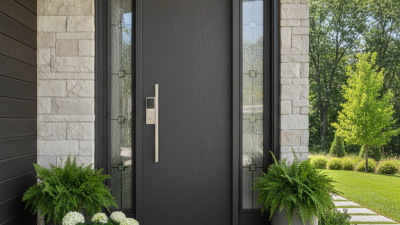
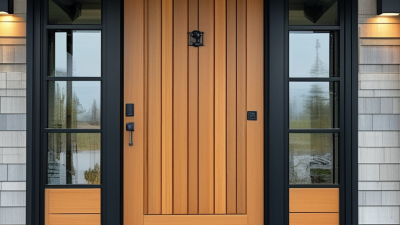
A replacement exterior door should fit the home’s architecture and the way people actually use the entrance. A Craftsman house often suits a solid wood-look door with simple glass panels and strong horizontal lines. A modern home may need a smooth, flush design with narrow glazing. Traditional homes usually benefit from balanced panels and restrained hardware. The match does not need to be perfect. Over-styling can make an entrance feel artificial.

Daily use matters just as much as appearance. A busy family entrance needs a durable surface, a stable threshold, and easy-to-clean glass. If the doorway receives heavy rain, choose weather-resistant materials and inspect the sill design carefully. A south-facing door may need fade-resistant finishing. Measure the rough opening, wall thickness, swing direction, and clearance before ordering. Small measurement errors can create expensive installation problems. Local energy and safety requirements should also guide glass, locks, and emergency access decisions.

Tips: Stand outside at different times of day. Notice glare, wind, mud, and traffic noise. Test the handle height with full hands. Check whether a storm door, pets, or deliveries change the best design. A decorative glass panel may look welcoming, but it can reduce privacy. I have seen attractive doors become frustrating because their hardware was difficult to operate in winter. Style matters, but daily comfort usually exposes weak choices.

Top 10 Replacement Exterior Doors Buyers Should Consider - How to Match Door Styles with Home Architecture and Daily Use

No. Replacement Door Style Best Architectural Matches Recommended Daily Use Common Materials Glazing and Privacy Options Key Advantages Important Considerations
1 Classic Six-Panel Door Colonial Traditional Cape Cod Reliable primary entry for households that want a formal, familiar appearance and strong privacy. Fiberglass, insulated steel, or solid wood. Available without glass or with small decorative lites; privacy glass is suitable for sidelights. Timeless proportions, broad availability, and easy coordination with traditional trim and shutters. Solid versions provide limited daylight. Wood requires more regular sealing and finish maintenance than fiberglass or steel.
2 Craftsman Entry Door Craftsman Bungalow Arts and Crafts Everyday front entrance where homeowners want character, visible glass, and a welcoming porch presence. Fiberglass, wood, or insulated steel with applied panels. Commonly uses one upper glass section or a three-lite arrangement; textured or obscure glass improves privacy. Strong horizontal detailing complements wide porches, tapered columns, and low-pitched rooflines. Large glass areas can reduce privacy and increase solar gain unless the glazing has a suitable low-emissivity coating.
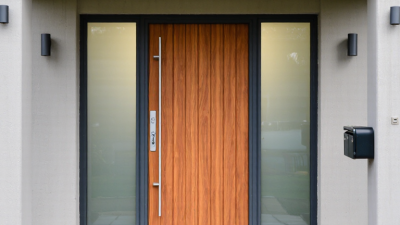
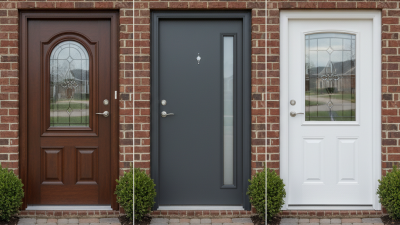
3 Modern Flush Door Contemporary Minimalist Mid-century Low-maintenance primary entry for homes with clean lines, simple façades, and limited exterior ornamentation. Fiberglass, steel, aluminum-clad wood, or engineered wood. Usually solid or paired with a narrow vertical lite; frosted glass supports privacy. Simple surface, flexible paint colors, and a visually uncluttered appearance. Minimal designs show dents, scratches, and alignment problems clearly. Hardware and surrounding trim must be equally restrained.
4 Full-View Glass Door Modern Farmhouse Contemporary Coastal Front or rear access where daylight, visual connection to a porch, patio, or garden is a priority. Fiberglass or wood frame with insulated glass; aluminum may be used in selected systems. Double-pane low-emissivity glass is widely used; laminated or textured options can improve safety and privacy. Maximizes natural light and makes compact entry areas feel more open. Requires careful solar-control and privacy planning. Glass may need frequent cleaning and quality weatherstripping.
5 Dutch Door Farmhouse Cottage Country Traditional Homes needing controlled ventilation, interaction with children or pets, or a distinctive secondary entrance. Wood, fiberglass, or engineered composite construction with reinforced split-door hardware. Upper section may include clear, divided, or privacy glass; the lower section is often solid. Top and bottom sections can operate independently, allowing airflow while restricting access. Needs precise installation, durable weather seals between sections, and hardware designed for the additional joint.
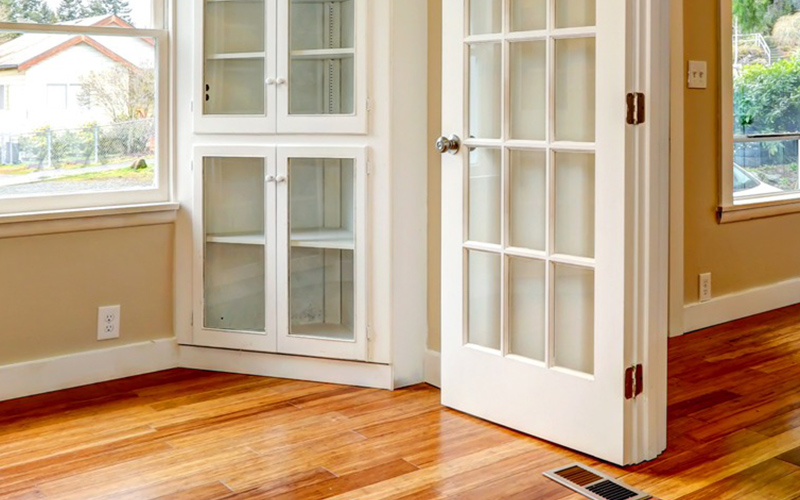
6 Double French Entry Door French Country Mediterranean Traditional Wide foyers, entertaining areas, and homes where moving furniture or large items through the front entry is common. Wood, fiberglass, or insulated steel; engineered cores can improve dimensional stability. Multiple glass panes, divided lites, or privacy glass provide light while preserving architectural detail. Creates a generous opening and a formal, symmetrical focal point. Requires more wall width than a single door. The inactive leaf, meeting stile, hinges, and astragal need careful adjustment for air sealing.
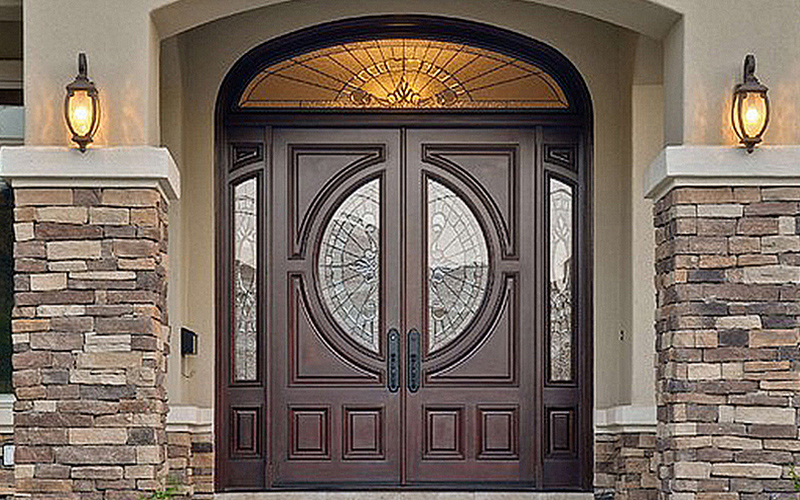
7 Arched-Top Door Mediterranean Spanish Revival Old World Statement entrance for façades that already use curved openings, stucco, masonry, or decorative ironwork. Wood, fiberglass, or steel with a custom-shaped frame and insulated core. Can be solid, partially glazed, or fitted with shaped insulated glass. Echoes curved architectural details and gives a strong ceremonial character to the entrance. Nonstandard openings generally cost more and require accurate field measurement, custom framing, and specialized installation.
8 Solid Steel Security Door Urban Traditional Industrial Transitional High-traffic primary entrances where impact resistance, security hardware, and controlled maintenance are priorities. Insulated galvanized steel with a durable factory-applied finish. Often solid or fitted with a small reinforced lite; laminated or impact-rated glazing may be selected where available. Strong resistance to warping, good structural rigidity, and generally lower cost than many solid-wood options. Damaged finishes can expose steel to corrosion. Thermal bridging and condensation should be addressed with an insulated core and proper weather sealing.
9 Fiberglass Wood-Look Door Transitional Traditional Mountain Primary entrances where the appearance of natural wood is desired with reduced upkeep and improved dimensional stability. Textured fiberglass skin over an insulated core, often with simulated wood grain. Available as solid, half-lite, or full-lite; low-emissivity and privacy glass options are common. Resists many common moisture-related problems and typically needs less refinishing than exterior wood. Color and grain realism vary by finish. Dark colors can become hot in direct sun, so manufacturer-approved coatings are important.
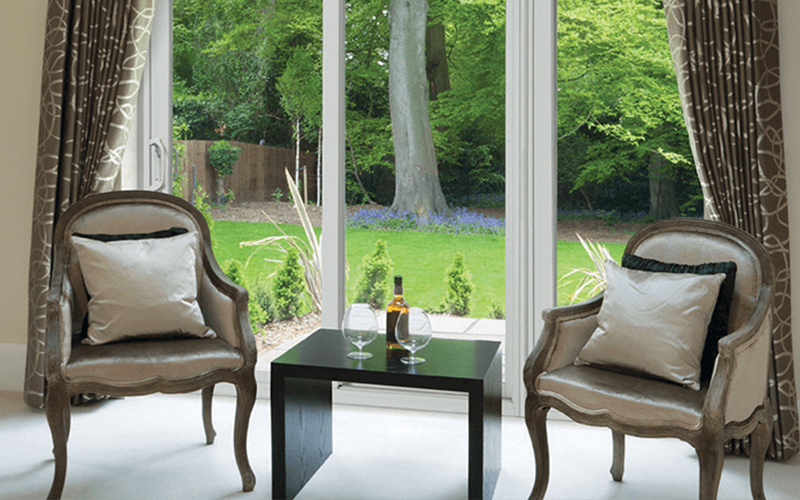
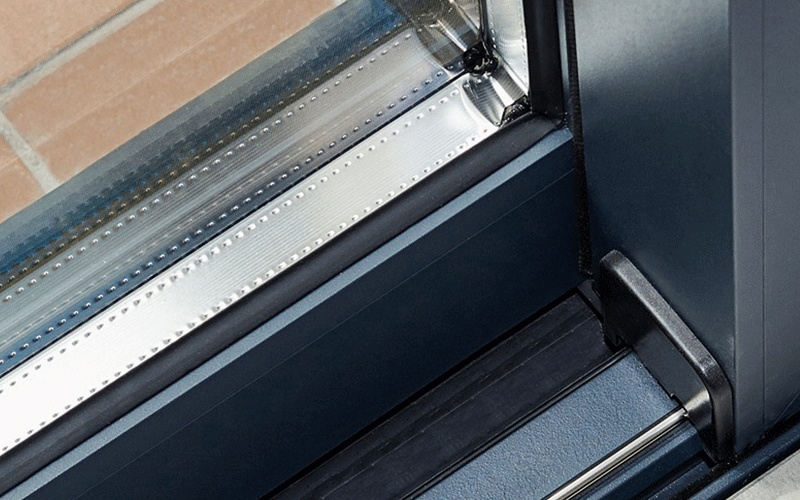
10 Sliding Patio Door Contemporary Ranch Open-Plan Rear or side access to patios, decks, balconies, and gardens where space-saving operation is more important than a hinged swing. Vinyl, fiberglass, aluminum, or wood-clad frames with insulated glass panels. Double-pane low-emissivity glass is standard in many energy-efficient configurations; blinds between panes can improve privacy. Does not require swing clearance and provides a broad visual connection to outdoor living areas. Tracks must remain clean and properly adjusted. Check for secure locks, effective weatherstripping, drainage, and smooth roller operation.

Installation, Maintenance, Costs, and Long-Term Buying Considerations

Top 10 Replacement Exterior Doors Buyers Should Consider

Installation affects performance more than many buyers expect. An experienced installer checks the rough opening, sill level, wall condition, and exterior drainage before ordering. Measure twice. A door can look correct yet leak around one corner if the frame sits unevenly. Professional installation usually costs more, but it may reduce drafts, water damage, and repeated adjustments. Ask for written labor details, disposal fees, trim work, and permit requirements where applicable.

Maintenance should match the door material and local weather. Inspect weatherstripping each autumn, especially near the threshold. Clean drainage channels with a soft brush. Refinish exposed wood before cracks spread. Steel surfaces need prompt attention when scratches reveal bare metal. Fiberglass often needs less care, although hinges, locks, and sealants still require inspection. I have seen homeowners blame the door when neglected caulking caused the real problem. That mistake is common.

Purchase cost is only one part of ownership. Include delivery, framing repairs, hardware, finishing, energy performance, and future servicing. A cheaper door may require earlier repainting or replacement seals. An expensive model is not automatically better. Check warranty exclusions, service access, and replacement-part availability. Consider sunlight, wind, salt air, pets, and daily traffic before choosing a style. My own preference has changed after seeing decorative glass increase heat near south-facing entrances. It looked appealing. The room became uncomfortable. Reconsider the details.