





Top China Home Doors Manufacturers for Global Buyers

China has become a major sourcing base for home doors, covering solid wood, steel, aluminum, fiberglass, and engineered designs. Mordor Intelligence estimates that the global doors market will exceed USD 190 billion by 2030. Its forecast points to continued demand from housing construction, renovation, and energy-efficient upgrades. This growth creates opportunities for global buyers, but supplier quality still varies widely.

The title “Top China Home Doors Manufacturers for Global Buyers” should not suggest one universal ranking. A reliable manufacturer must show more than attractive product photos. Buyers should examine factory experience, production capacity, ISO 9001 systems, material traceability, and export performance. Grand View Research highlights energy efficiency and product durability as important market trends. Therefore, door U-values, sealing performance, hardware quality, and weather resistance deserve careful attention.

Details matter.

A serious supplier can provide drawings, test reports, finish samples, packaging photographs, and clear lead-time information. For fire-rated or security doors, independent testing and destination-market compliance are essential. A factory audit may reveal whether a polished showroom matches the production floor. It may not. That gap deserves reflection.

This guide compares leading Chinese home doors manufacturers through practical criteria, including customization, minimum order quantities, quality control, communication, and after-sales support. It also considers whether suppliers can protect doors during long-distance shipping, from reinforced corners to moisture-resistant wrapping. Industry reports offer useful market context, but buyer experience remains decisive. The best choice is not always the cheapest quote. It is the manufacturer that delivers consistent specifications, realistic promises, and documented performance.
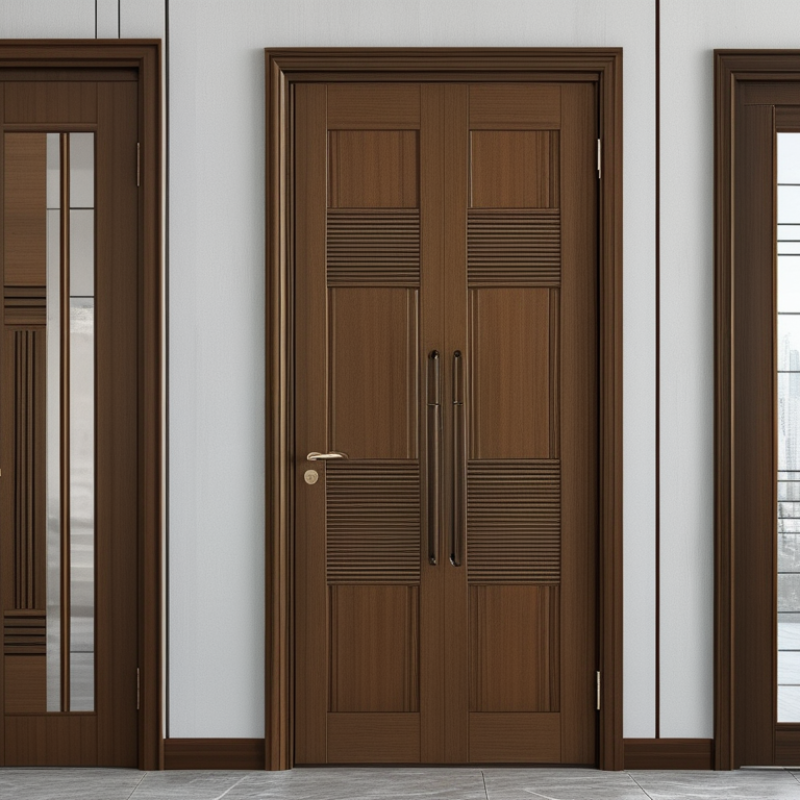
Top China Home Doors Manufacturers for Global Buyers

China’s Home Door Manufacturing Industry: An Overview for Global Buyers

China’s home-door industry combines large-scale production with highly specialized workshops. Its ecosystem covers timber processing, steel forming, glass, hardware, coatings, and automated assembly. According to China’s National Bureau of Statistics, residential floor space completed in 2023 reached about 724 million square meters, down 17.2% year on year. This decline pressured new-build demand. Renovation projects, however, continued supporting customized interior doors and security entrances.

Export data presents a broader picture. The UN Comtrade database records China as a major exporter under HS 441820 for wooden doors and HS 730830 for metal doors. These categories include different specifications, so trade figures should not be treated as direct market size. That distinction matters. Global buyers often compare unlike products.

Manufacturers usually offer solid timber, engineered wood, steel, aluminum, and composite doors. Product selection should match climate, building codes, and installation conditions. A humid coastal project needs different edge sealing from a dry inland warehouse. Buyers should request test reports for fire resistance, acoustic performance, wind pressure, and formaldehyde emissions. Factory audits should also review moisture control, batch labeling, and replacement-part procedures. Experience shows that attractive samples can hide inconsistent core density. The picture is not perfect. Reliable sourcing requires independent inspection, clear tolerances, approved drawings, and documented pre-shipment checks.

China’s Home Door Manufacturing Industry: Reference Performance Levels for Global Buyers

The chart compares commonly specified performance levels for residential doors manufactured for the Chinese and international markets. Values are based on Chinese national standards and typical procurement specifications; they are not company or brand data.

Reference framework: GB/T 5824 for door and window dimensions, GB 17565 for security doors, GB/T 7633 for sound insulation testing, and GB 12955 for fire doors. Actual product performance depends on the complete door assembly, installation, and certification.

Main Types of Home Doors Produced by Chinese Manufacturers

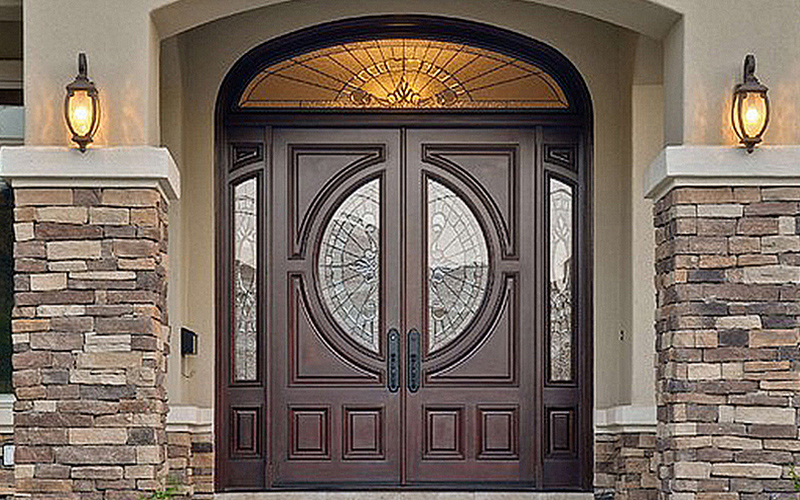
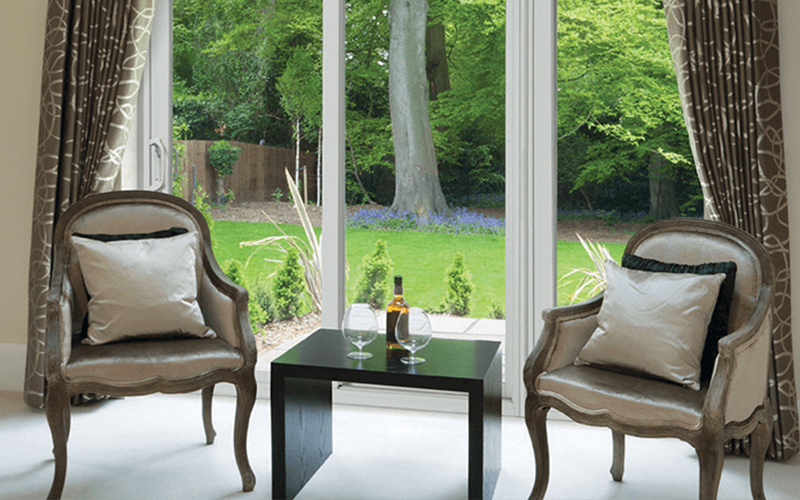
Chinese manufacturers produce several practical home door types for global buyers. Solid wood doors offer warm grain, strong presence, and good interior appeal. Engineered wood doors provide better dimensional stability in changing climates. Steel doors suit entrances needing strength and controlled maintenance. Fiberglass doors resist moisture and can imitate natural wood textures. Aluminum and glass doors create a clean look for patios and modern homes. PVC and WPC doors are useful for humid rooms, although their surface quality varies.

Door construction matters as much as the material. Buyers should check core density, panel thickness, hinge reinforcement, weather seals, and finish adhesion. A beautiful finish can still fail around the edges. Factory quality records, sample testing, and clear tolerance sheets improve purchasing reliability. Ask whether the door is supplied as a slab, prehung unit, or complete system. Lock preparation and opening direction must match local installation practice. Details matter. Some specifications may look complete but remain too general for accurate comparison.

Tips: Request full-size corner samples when possible. Test color, texture, edge sealing, and hardware alignment. Confirm moisture resistance for bathrooms and coastal projects. Compare laboratory data with production samples. Measure twice. Also review packaging, pallet protection, and replacement procedures before placing a large order. Small omissions often create expensive site adjustments.

How to Evaluate China’s Home Door Manufacturers

How to Evaluate China’s Home Door Manufacturers

A reliable evaluation starts with production evidence, not attractive catalogs. Ask for factory photos, monthly capacity, material sources, and recent export records. Verify the legal company name against customs documents and third-party audit files. The World Bank’s 2023 Logistics Performance Index ranked China 19th globally, with a score of 3.7. This supports strong logistics potential, but it does not prove one factory performs well. Capability must be checked directly.

Quality systems deserve close attention. The ISO Survey 2022 recorded 1,265,216 valid ISO 9001 certificates worldwide. Yet certification alone is not enough. Request the certificate scope, audit date, corrective-action records, and inspection plans. Examine sample doors for frame squareness, hinge alignment, coating thickness, seal compression, and lock operation. Test samples under the destination market’s standards, such as EN 14351-1 or ASTM air, water, and structural procedures. Small details matter.

Energy performance also needs measurable proof. The International Energy Agency reported in 2023 that buildings consumed about 30% of global final energy. Ask for U-value, air-leakage, and water-resistance results from accredited laboratories. Confirm whether the tested design matches the production model. It often does not. A factory may offer excellent samples but inconsistent batches. Use a pre-shipment inspection, retain approved samples, and define acceptable defect limits in writing. I would also score response time, technical answers, and packaging quality. The cheapest quotation can become expensive after warped panels, damaged corners, or missing hardware appear.

Quality Standards, Customization, and Certification Requirements

China’s leading home door manufacturers serve global buyers through controlled production and documented quality systems. In practical factory evaluations, inspect timber moisture, frame alignment, corner joints, and surface consistency. A smooth sample does not guarantee stable batch quality. That assumption deserves caution.

Customization should cover dimensions, swing direction, core materials, glass options, hardware, coatings, and packaging. Ask for approved drawings before production begins. Each change should receive a written confirmation. Reliable suppliers provide inspection records, material traceability, and pre-shipment photographs. However, customization may increase lead times, minimum order quantities, and testing costs. Buyers sometimes underestimate these trade-offs.

Tips

Request a sample first. Compare its weight, edge finish, hinges, and lock preparation with the technical drawing. Confirm which certifications apply in your destination market, because requirements differ by country and door type. Check current test reports, certificate scope, issuing laboratories, and validity dates. Do not accept a certificate without matching product details. Also agree on inspection criteria, tolerances, labeling, and moisture protection before the deposit. Small gaps in the contract can become expensive disputes.

Top China Home Doors Manufacturers for Global Buyers - Quality Standards, Customization, and Certification Requirements

Evaluation Dimension Typical Door Category Common Technical Requirement Relevant Standard or Reference Recommended Buyer Evidence Customization Considerations
Product Scope Interior, exterior, entrance, patio, sliding, folding, and security doors Confirm whether the supply includes the door leaf only, a complete doorset, frame, hardware, seals, glazing, and installation accessories. Project specification and destination-market building regulations Itemized quotation, approved drawings, bill of materials, and scope-of-supply list Define opening direction, handing, frame depth, threshold type, glazing arrangement, and accessory package before production.
Dimensional Accuracy All door types Manufacturing tolerances should be stated for overall width, height, thickness, squareness, frame alignment, and hardware positions. Approved shop drawings and agreed inspection plan Dimensional inspection report, pre-shipment photographs, and first-article approval Use metric or imperial dimensions consistently and specify clear opening dimensions separately from finished door dimensions.
Material and Surface Finish Wood, engineered wood, steel, aluminum, fiberglass, and composite doors Material grade, panel construction, coating system, corrosion resistance, color consistency, and surface defect limits should be documented. Project material specification; ISO 12944 may be relevant to protective coating environments Material certificates, coating data sheets, color samples, and batch traceability records Specify finish code, gloss level, texture, edge treatment, veneer direction, and acceptable color variation.
Weather Resistance Exterior hinged, sliding, and patio doors Performance may include watertightness, wind load resistance, air permeability, drainage, UV resistance, and resistance to repeated exposure. EN 14351-1 for external pedestrian doorsets where applicable; local building codes may also apply Independent test report for the specified doorset configuration, not only a similar product Match glass, seals, drainage, threshold, hardware, and frame system to the exact tested configuration.
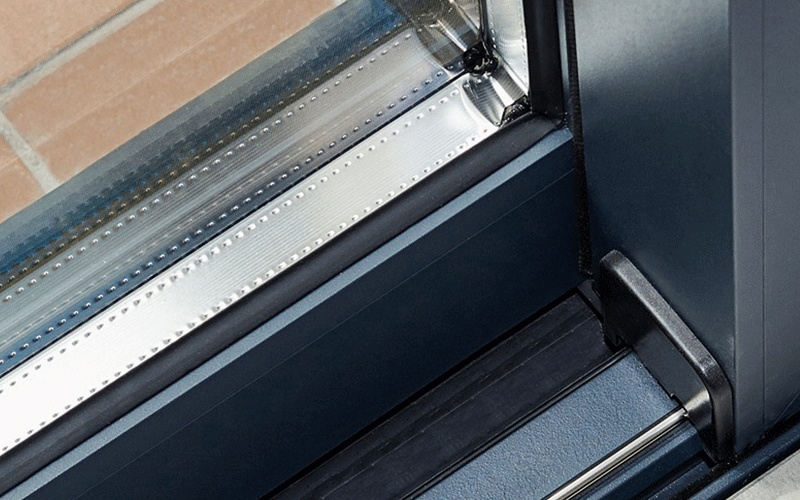
Thermal Performance Insulated exterior doors and glazed doors Request the complete doorset U-value or thermal transmittance value, including frame, panel, glazing, spacers, and threshold where required. ISO 10077 series and applicable regional energy codes Calculation or laboratory report identifying dimensions, materials, glazing, and boundary conditions Specify insulation core, thermal breaks, glazing build-up, low-emissivity coating, and target climate zone.
Acoustic Performance Apartment entrance, hotel, office, and bedroom doors Sound reduction depends on the complete assembly, including leaf, frame, seals, threshold, glazing, and installation quality. ISO 10140 test methods and ISO 717-1 rating principles Laboratory acoustic test report for the specified doorset and target rating Select solid-core construction, acoustic seals, drop seals, laminated glazing, and suitable frame joints.
Fire Resistance Fire-rated timber, steel, or composite doorsets Fire performance must be verified for the complete tested assembly, including frame, seals, glazing, closers, hinges, and hardware. EN 1634-1; EN 16034 may apply to certain external pedestrian doorsets; local fire codes also apply Accredited fire test or classification report with the exact rating and permitted component variations Do not change glazing, hardware, frame material, or installation method without confirming test coverage.
Security and Forced-Entry Resistance Main entrance, apartment, commercial, and security doors Assess lock type, cylinder protection, hinge security, multipoint locking, frame anchoring, impact resistance, and resistance to manipulation. EN 1627–EN 1630 resistance classes where applicable; local security-door standards may apply Security test report, hardware schedule, lock specifications, and installation details Specify cylinder format, keying plan, access-control preparation, panic hardware, peephole, and electronic lock provisions.
Hardware and Cycle Testing High-use residential and project doors Hinges, handles, locks, closers, rollers, and sliding components should be compatible with the door weight and intended use frequency. EN 1191 for opening and closing durability; relevant hardware standards as specified Hardware technical sheets, load ratings, cycle-test records, and spare-parts policy Confirm finish, corrosion class, replacement availability, compatible dimensions, and maintenance requirements.
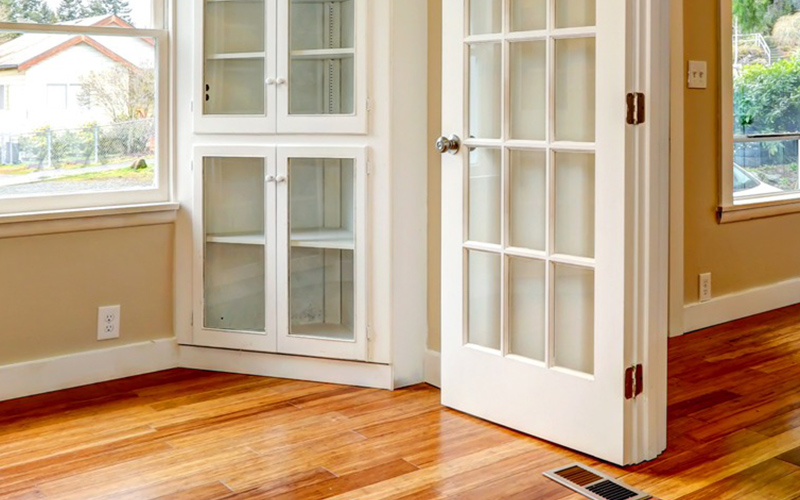
Glazing Safety Glazed entrance, patio, French, and interior doors Use safety glazing where required by location, impact risk, door height, or local code; specify glass type and thickness. EN 12150 for thermally toughened glass; EN 14449 for laminated glass; local glazing codes may apply Glass marking, glazing specification, safety certificate, and installation method Define clear, tinted, frosted, patterned, laminated, insulated, low-emissivity, or decorative glass requirements.
Quality Management All door categories A documented quality system should control incoming materials, production inspection, final inspection, nonconformities, and corrective actions. ISO 9001 certification is a management-system reference, not a product-performance certificate Valid certificate scope, inspection and test plan, quality records, and corrective-action procedure Agree inspection checkpoints, defect limits, sample approval, packaging standards, and pre-shipment inspection rights.
Sustainable Materials Wood and wood-composite doors Confirm legal timber sourcing, chain of custody, recycled content claims, emissions requirements, and packaging materials. Applicable timber legality rules, chain-of-custody requirements, and local environmental regulations Material origin declaration, valid sustainability certificate where required, and formal environmental documentation Specify timber species, veneer source, recycled content, low-emission adhesives, and packaging restrictions.
Export Packaging and Logistics Bulk residential and project orders Packaging should protect corners, surfaces, glazing, hardware, and moisture-sensitive components during handling and international transport. ISPM 15 requirements may apply to solid-wood packaging used in international shipments Packing list, carton markings, loading photographs, moisture protection plan, and shipping documentation Define pallet dimensions, container loading plan, barcode labels, replacement-parts packing, and storage conditions.
Certification and Market Access Doors supplied to Europe, North America, Australia, or other regulated markets Certification depends on product type, intended use, performance claims, and destination-country legislation; one certificate may not cover every market. Applicable regional product regulations, harmonized standards, national standards, and building codes Certificate number, scope, validity, testing laboratory, tested configuration, and traceable product identification Verify documents before ordering and ensure the certified model matches the final dimensions, materials, hardware, and glazing.

Note: Requirements are indicative buyer guidelines. Final specifications, testing, certification, and installation requirements must be confirmed against the destination country’s current building regulations and the project’s approved technical documents.

Sourcing, Pricing, and Shipping Considerations for International Buyers

International buyers should assess Chinese home door manufacturers through more than catalog photos. Request factory videos, material specifications, production samples, and recent quality records. A reliable supplier should explain core materials, coating thickness, hardware grades, and moisture resistance clearly. Ask whether the quoted door matches the sample exactly. Small differences matter.

Pricing depends on door size, structure, finish, hardware, packaging, and order volume. Compare itemized quotations instead of selecting the lowest total. A cheap door may exclude hinges, frames, export cartons, or inspection fees. Confirm the trade term, currency, payment schedule, and production lead time in writing. Build a small allowance for revisions. My practical view is less optimistic: even careful buyers can overlook installation accessories.

Shipping requires early planning. Confirm the packed dimensions and container loading plan before production begins. Oversized frames can waste valuable container space. Ask for moisture-proof wrapping, corner protection, and pallet details. Clarify whether the quotation includes inland transport, export documentation, ocean freight, insurance, and destination charges. Port congestion can change delivery dates, so avoid promising fixed installation schedules too early. Independent pre-shipment inspection can check color, dimensions, glass condition, and hardware operation. Photos help, but they do not replace physical checks. A door can look perfect and still fail during installation.