What is the Purpose of Vinyl Doors and Why Choose Them?
Vinyl doors have emerged as a popular choice for homeowners seeking durability and style. According to industry expert Sarah Johnson, "Vinyl doors combine beauty and strength in a way few materials can." This statement reflects the growing appreciation for vinyl doors, which are weather-resistant and require minimal maintenance.
These doors can enhance a home’s aesthetics while providing security and insulation. Many homeowners find themselves drawn to the vibrant colors and designs available in vinyl doors. However, some may question whether they can stand the test of time. With advancements in technology, modern vinyl doors are engineered for longevity but might not resonate with everyone’s taste.
Moreover, the debate over vinyl doors often includes concerns about sustainability. While they offer many benefits, potential buyers may need to weigh aesthetics against environmental impact. Ultimately, vinyl doors represent a balance of functionality and design that continues to attract interest among property owners.
What are Vinyl Doors and Their Key Features?
Vinyl doors have gained popularity for various reasons. They offer durability, energy efficiency, and require little maintenance. Vinyl is resistant to rotting and warping. This makes it an excellent choice for areas with extreme weather conditions. In fact, industry reports indicate that vinyl doors can last up to 30 years with proper care. They maintain their appearance over the years, which is appealing to many homeowners.
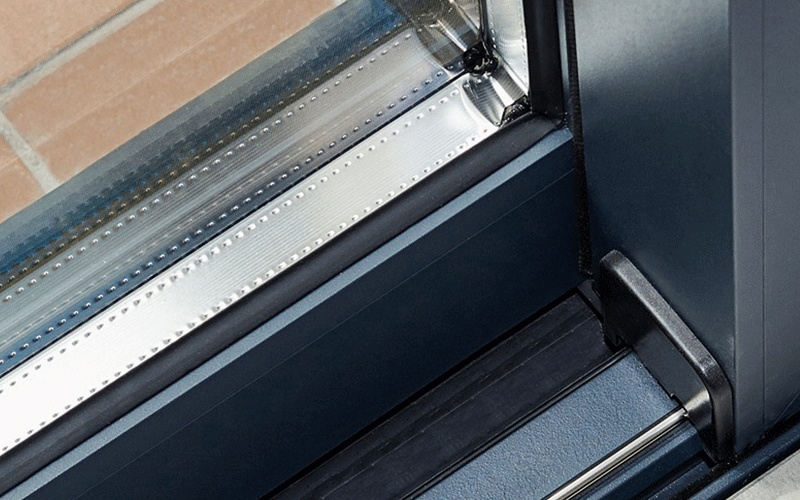
The key features of vinyl doors include multi-chamber construction. This design improves insulation. Additionally, vinyl doors are customizable in color and style. They can mimic the appearance of wood without the associated upkeep. Interestingly, a report from a home improvement association notes that vinyl doors can reduce energy costs by up to 20%. This is a significant advantage for homeowners looking to save on utility bills.
Tip: Always check the insulation rating of vinyl doors. A higher rating means better energy efficiency. This can greatly impact your heating and cooling expenses.
Another important aspect is cost-effectiveness. While the initial investment may be lower than wood doors, the long-term savings are noteworthy. However, some homeowners do worry about the environmental impact. Vinyl is not biodegradable, and this can be a concern. It's essential to weigh the benefits against such factors before making a choice.
Benefits of Choosing Vinyl Doors for Homes and Businesses
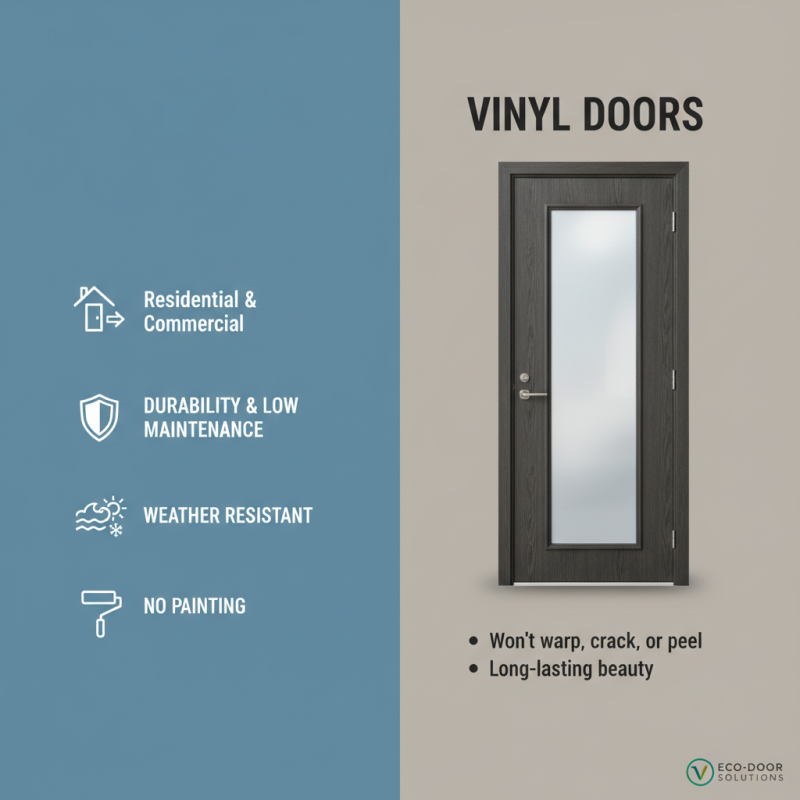
Vinyl doors offer a blend of functionality and aesthetics. They stand out for their durability and low maintenance needs. Unlike wood doors, vinyl does not warp or crack easily. This resilience benefits homes and businesses alike. They can withstand various weather conditions. Imagine not having to paint your door every few years. That is the charm of vinyl.
Beyond durability, vinyl doors excel in energy efficiency. They act as excellent insulators, helping to maintain indoor temperatures. This can lead to lower energy bills over time. Additionally, many styles are available to match any design preference. Whether modern or traditional, there is a vinyl door that fits. However, some may feel that vinyl lacks the elegance of real wood. This is a valid concern.
Cost is another consideration. Vinyl doors can be less expensive than wood or fiberglass options. Yet, the quality varies among manufacturers. It's essential to research and choose wisely. You want a product that will last. Some doors may discolor over time or show scratches. This aspect might make a buyer think twice. Balancing all these factors is key when making a decision on vinyl doors.
Durability and Maintenance of Vinyl Doors Compared to Other Materials
Vinyl doors are gaining popularity due to their impressive durability and low maintenance needs. Unlike wood or metal, vinyl doesn’t warp or rust. It can withstand varying weather conditions, making it an ideal choice for harsh climates. Homeowners appreciate its fade resistance, ensuring it maintains a fresh look over time. A vinyl door can last for decades if properly cared for.
Maintenance is hassle-free. Regular cleaning with soap and water keeps them looking new. Unlike wood, vinyl doesn't require staining or painting. However, some may argue that vinyl lacks the traditional charm of natural materials. It’s important to consider the aesthetic aspect when choosing a door. Vinyl doors can sometimes look artificial compared to their wooden counterparts.
Balancing durability and design is crucial for homeowners. Some people find that vinyl doors can feel less sturdy than traditional materials. This perception can lead to doubt about their overall security. Yet, many vinyl doors come reinforced for better protection. Weighing the pros and cons is essential before making a decision. While vinyl offers convenience, it’s vital to reflect on personal style preferences and neighborhood standards.
Energy Efficiency and Insulation Properties of Vinyl Doors
Vinyl doors are becoming increasingly popular due to their energy efficiency. According to the U.S. Department of Energy, doors can account for 10-15% of a home's total energy loss. Vinyl doors help to reduce this loss significantly. They come with excellent insulation properties, which can keep your home warmer in winter and cooler in summer.
The insulation value of vinyl doors can reach up to R-5, depending on the design. This means better thermal performance compared to traditional wooden or metal doors. Homes with vinyl doors can see energy savings of around 15-30% on heating and cooling costs. Real estate experts have noted that energy-efficient features add value to homes, making vinyl doors a worthwhile investment.
Despite these benefits, some concerns remain. Vinyl can warp or fade under extreme temperatures. Regular maintenance is necessary to address potential issues. Owners need to assess the quality of the installation to ensure optimal performance. A poorly installed vinyl door can negate its energy-saving advantages. It's essential to weigh these factors when considering vinyl doors for your home.
Design Versatility and Customization Options for Vinyl Doors
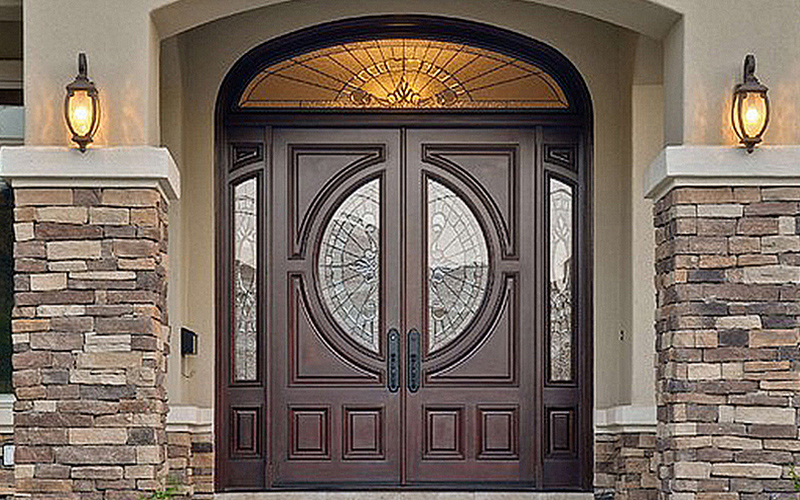
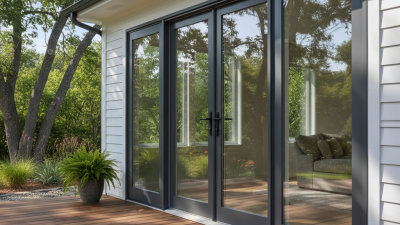
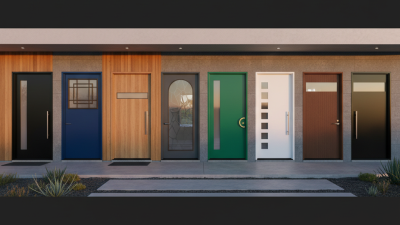
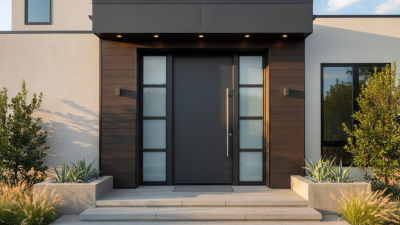
Vinyl doors offer remarkable design versatility and customization options. Homeowners can choose from a variety of styles and colors to match their unique aesthetic. There are sleek modern designs, classic styles, and everything in between. Vinyl can mimic the look of wood but requires less maintenance. This versatility enhances curb appeal and value.
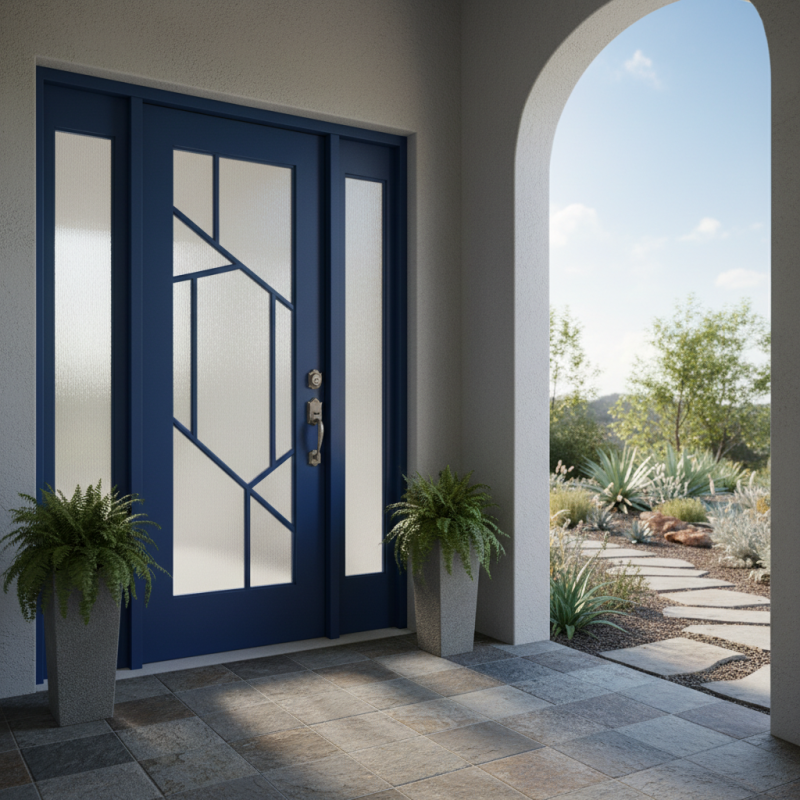
Customization doesn’t stop at color. Homeowners can select sizes, shapes, and even decorative glass elements. A door with frosted glass adds both style and privacy. Alternatively, a simple plain design can create a minimalist look. The options seem endless, but this abundance can also be overwhelming. It’s important to take time to reflect on what complements your home best.
Some might opt for bold colors but later regret it. Lighter shades could better suit the surroundings. Choosing wrong can lead to dissatisfaction over time. Balancing personal taste with practicality is key. Consider how a door will look in different seasons or lighting. Customization can enhance your home, but it requires thoughtful decision-making. Each choice should reflect lasting quality and style.
Advantages of Vinyl Doors
This chart illustrates the key advantages of vinyl doors, scoring their benefits in terms of design versatility, customization options, durability, energy efficiency, maintenance, and cost-effectiveness. Each aspect is rated on a scale of 1 to 10, highlighting vinyl doors as a superior choice for homeowners seeking balance between aesthetics and functionality.