








Finding reliable pro doors suppliers requires more than comparing catalog prices. The supplier must prove performance, consistency, and after-sales support. The International Energy Agency reports that buildings consume roughly 30% of global energy demand, making thermal performance a practical purchasing concern. The U.S. Department of Energy also notes that windows can cause 25–30% of residential heating and cooling energy use. Doors contribute through air leakage, insulation quality, glazing, and installation accuracy.
Market research supports this wider view. Grand View Research’s Doors Market Size, Share & Trends Analysis identifies renovation, construction growth, energy efficiency, and product durability as major market drivers. The Freedonia Group’s World Windows & Doors study likewise highlights material selection, regional standards, and replacement demand. These reports do not choose a supplier for you. They show what deserves scrutiny.
“A dependable supplier protects the project after the order leaves the factory,” says Gary Johnson, a door-industry consultant associated with Allegion. That principle is useful. It shifts attention toward documented testing, stable lead times, traceable materials, and responsive technical service. Ask for U-value or U-factor data, air-leakage results, warranty terms, installation guidance, and recent project references. Check whether certificates match the exact model, not merely the product family. Small details matter. A polished sample can hide uneven seals or weak packaging.
Some buyers still select the lowest quotation. That choice can become expensive when replacement parts arrive late or dimensions vary between batches. A better method compares total project risk, not only unit cost. Reliable pro doors suppliers communicate limitations clearly. They admit when a specification needs revision. That honesty is easy to miss, but it often separates a durable partnership from a disappointing purchase.

Before contacting professional door suppliers, define how each door must perform. Measure the opening, wall thickness, handing, swing direction, and available clearance. Record traffic levels, exposure to rain, humidity, impact, and cleaning chemicals. A hotel corridor needs different performance from a workshop entrance. Write these conditions into a short requirement sheet.
Quality should be measurable, not described as “premium.” Specify material thickness, core construction, surface finish, hardware grade, and acceptable dimensional tolerance. Ask for test evidence covering fire resistance, acoustic control, air leakage, water penetration, or forced-entry resistance when relevant. Confirm which standards were used and whether an independent laboratory verified the results. Samples can reveal edge swelling, uneven gaps, weak hinges, or rough coating better than photographs. Touch the sample.
From practical purchasing work, clear specifications prevent expensive disputes. Still, requirements are rarely perfect. I once overlooked cleaning routines, and a beautiful finish aged badly under abrasive maintenance. That mistake changed my checklist. Include warranty scope, replacement-part availability, installation responsibility, and inspection points. Require a written approval sample before production. Compare supplier answers against your documented needs, not persuasive language. If a supplier avoids test records or gives vague tolerances, pause the purchase.
Supplier experience should be verified through documented projects, not confident sales language. Ask for evidence. Request installation photos, client references, and records from projects similar to yours. A supplier serving hospitals, schools, or high-traffic offices should explain its testing process clearly. Review its production history, lead-time performance, and after-sales response. The 2023 Dodge Construction Network report highlights continuing concerns about labor shortages and project delays, so realistic delivery planning matters. A polished catalogue can still hide weak follow-up.
Product range also reveals technical capability. Check whether the supplier offers suitable fire-rated, acoustic, thermal, security, and accessibility options. Match each door to its location, traffic level, and climate. The U.S. Department of Energy reports that heat gain and loss through windows can represent 25–30% of building energy use; poorly specified exterior doors can also weaken envelope performance. Certifications must be traceable. Look for test reports, factory quality records, and standards such as ISO 9001, ASTM, EN, or local building requirements. The ISO Survey 2022 recorded more than one million valid ISO 9001 certificates worldwide, but certification alone is not proof of product quality. Confirm the certificate’s scope, issuing body, and expiration date.
Do not rely on copied documents.
A careful supplier welcomes technical questions and admits limitations. That honesty is useful. Reliability is measured before the purchase, during delivery, and after installation.
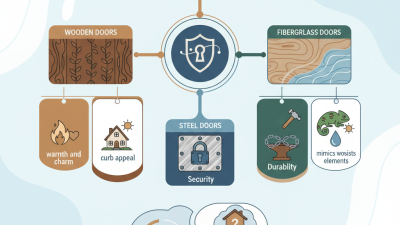
A reliable pro doors supplier should explain more than price. During site inspections, I compare steel, aluminum, wood, and composite doors by use. Steel handles impact well, but poor coatings can invite rust at cut edges. Aluminum resists corrosion and stays light, though it may dent under heavy contact. Solid wood offers warmth and repairability. It needs stable humidity control. Composite doors can reduce maintenance, yet their cores vary widely. Ask for test reports, sample sections, and written performance limits.
Manufacturing details often reveal supplier competence. Check whether frames are welded, mechanically joined, or both. Weld quality should be inspected before grinding and coating. Door leaves need accurate tolerances, especially around hinges and seals. A supplier should describe surface preparation, curing temperatures, hardware installation, and final inspection. Request batch records and dimensional reports. In my experience, attractive finishes can hide uneven gaps. That is a warning. Avoid vague claims such as “premium quality.”
Customization should solve a site problem, not decorate a catalog. Compare fire, acoustic, thermal, security, and accessibility requirements. Ask for drawings showing swing direction, glazing, thresholds, locks, ventilation, and drainage. Confirm how changes affect lead time, testing, and maintenance. Small details matter. A dependable supplier welcomes revisions and records them. Still, more options can create confusion. Keep a signed specification, approve one physical sample, and inspect the first production unit before full delivery.
How to Find Reliable Pro Doors Suppliers?
A professional door supplier should make pricing easy to audit. Request a line-item quotation covering materials, hardware, packaging, freight, taxes, installation, and replacement parts. The 2024 State of Logistics Report estimated U.S. logistics costs at $2.3 trillion in 2023, equal to 8.7% of GDP. Freight assumptions can quickly change a “cheap” offer. Ask for the delivery term, currency, validity period, and payment milestones. Numbers expose weak suppliers.
Confirm lead times with a production schedule, not a hopeful email. Require dates for drawings, approval, manufacturing, inspection, dispatch, and arrival. The World Bank’s 2023 Logistics Performance Index covered 139 economies and assessed timeliness as a separate performance factor. Ask suppliers to provide recent delivery records and explain delays. I would also request a sample door or finish panel. It reveals tolerances, packaging quality, and communication problems earlier than a full order.
Warranty language needs equal attention. Check coverage periods, excluded damage, labor responsibility, and claim response times. A strong supplier provides written procedures, spare-part availability, maintenance guidance, and a named after-sales contact. Request two recent customer references, preferably from similar building conditions. Do not accept “lifetime warranty” without definitions. That phrase can hide serious limits. A practical mistake is trusting polished certificates while ignoring slow replies. Test support before signing: send technical questions and measure the response.
| Verification Dimension | Typical Industry Reference | Evidence to Request | Warning Signs | Recommended Assessment |
|---|---|---|---|---|
| Price Transparency | A complete quotation should identify the door unit, frame, hardware, finish, packaging, shipping terms, taxes, and installation scope. | Itemized quotation, Incoterm, validity period, tooling charges, packaging details, and written change-order policy. | Unusually low price, unexplained exclusions, frequent surcharges, or requests for payment before final specifications are confirmed. | Compare at least three equivalent quotations using the same specifications and delivery terms. |
| Minimum Order Quantity | MOQ varies by material, finish, customization, and production method; custom finishes commonly require higher quantities than standard products. | Written MOQ by model and finish, sample-order policy, mixed-model rules, and small-batch pricing. | MOQ is disclosed only after payment, or the supplier cannot separate standard-product requirements from custom-production requirements. | Confirm whether samples count toward the first commercial order and whether unused materials incur charges. |
| Lead Time | Standard products generally ship faster than customized doors; production time and transit time should be quoted separately. | Production schedule, order-to-delivery timeline, factory capacity confirmation, shipping route, and documented delay procedure. | Only an approximate delivery date is provided, weekends and holidays are not addressed, or the supplier refuses to define the start date for lead time. | Define lead time as beginning after approved drawings, deposit receipt, and material confirmation. |
| Technical Specifications | Door performance depends on dimensions, core material, skin or panel construction, hardware, fire rating, acoustic rating, and environmental conditions. | Technical datasheets, approved drawings, tolerance information, material declarations, test reports, and installation instructions. | Marketing claims are not supported by test documents, or drawings omit critical dimensions and hardware details. | Use a signed specification sheet as the contractual reference for production and inspection. |
| Quality Control | Reliable suppliers normally use incoming-material checks, in-process inspections, final inspection, and packaging verification. | Inspection checklist, sample inspection report, product photographs, batch records, and acceptance criteria. | No documented inspection process, refusal to share non-confidential records, or quality responsibility assigned only to the buyer. | Arrange pre-shipment inspection based on measurable tolerances and agreed sampling rules. |
| Warranty Coverage | Commercial warranties commonly distinguish between the door assembly, finish, hardware, seals, and defects caused by installation or misuse. | Written warranty period, covered components, exclusions, claim deadline, remedy options, and responsibility for freight or labor. | Verbal promises only, unclear exclusions, no remedy timeline, or warranty coverage dependent on undocumented conditions. | Ensure the warranty is attached to the sales contract and matches the intended installation environment. |
| After-Sales Support | Effective support should provide a named contact, response target, spare-parts process, troubleshooting guidance, and escalation route. | Service procedure, support contact details, replacement-parts list, response-time commitment, and example claim workflow. | No dedicated support contact, slow responses before ordering, or inability to supply replacement hardware and seals. | Test response quality by submitting detailed pre-sales questions and requesting a written support process. |
| Compliance and Certifications | Required compliance depends on the destination market and application, including fire, safety, accessibility, energy, or building-code requirements. | Complete test reports, certificate scope, laboratory details, report dates, product model, and applicable local-code references. | Generic certificates, mismatched model numbers, expired reports, or documents that do not cover the supplied configuration. | Verify documents with the issuing laboratory or certification body where possible. |
| Payment and Contract Terms | Payment schedules should link major payments to documented milestones such as approved drawings, production completion, and inspection. | Sales contract, bank-account details, refund terms, dispute-resolution clause, inspection rights, and delivery responsibilities. | Last-minute bank-account changes, pressure for full prepayment, personal-account requests, or refusal to sign specifications. | Use a secure business payment process and independently verify any revised payment instructions. |
| Sample and Pilot Order | A sample or pilot order can reveal actual finish quality, packaging strength, dimensional accuracy, communication speed, and installation fit. | Approved sample, pre-production sample record, inspection photographs, packaging test results, and corrective-action record. | Supplier discourages sampling, substitutes materials without approval, or cannot reproduce the approved sample consistently. | Start with a documented pilot order before committing to a large production quantity. |
Note: The reference points above are general procurement benchmarks. Actual prices, lead times, warranty terms, certifications, and service levels vary by door type, customization, destination market, order quantity, and installation conditions.
A dependable door supplier should survive three tests: samples, reviews, and contracts. Request a full-size sample, not only a corner piece. Check the frame, hinges, seals, finish, and closing force. Place it near a window and inspect it under different light. A polished sample can hide uneven edges. I once trusted appearance too quickly; that was a poor assumption.
Reviews need more than star ratings. BrightLocal’s 2023 Local Consumer Review Survey found that 76% of consumers regularly read online reviews. Look for detailed comments about delivery accuracy, warping, hardware faults, and after-sales responses. Recent reviews matter most. Ask the supplier for two or three commercial references, then call them. A quiet review profile is not automatically negative, but it needs verification.
The contract should specify dimensions, materials, tolerances, testing documents, packaging, delivery dates, inspection rights, and replacement procedures. Include payment stages linked to approved samples and shipment checks. The 2023 KPMG Global Construction Survey identifies cost and schedule overruns as continuing industry risks. Vague wording increases those risks. Confirm who pays for damaged goods and repeated delivery. Do not rely on verbal promises. Even a careful buyer can miss one clause. Have an independent project professional review the agreement before signing.