10 Essential Tips for Choosing Sliding Patio Doors for Your Home?
When it comes to enhancing your home's aesthetic appeal, sliding patio doors are a popular choice. Expert architect Sarah Johnson emphasizes, “The right sliding patio doors can transform your living space and connect you with nature.” Choosing the perfect set of sliding patio doors can be overwhelming. With various styles, materials, and functionalities available, it’s easy to feel lost.
Imagine walking into a bright, airy room, illuminated by natural light. Sliding patio doors can create that effect, but making the wrong choice can lead to disappointment. Budget constraints can make you settle for less. What about durability and energy efficiency? Many overlook these factors when making a decision, leading to higher costs down the line.
The selection process requires careful thought. It’s not just about aesthetics; practical considerations matter. Every home has unique requirements, from space constraints to climate conditions. Reflecting on personal needs is crucial. With the right guidance, you can find sliding patio doors that not only fit your style but also enhance your living experience.
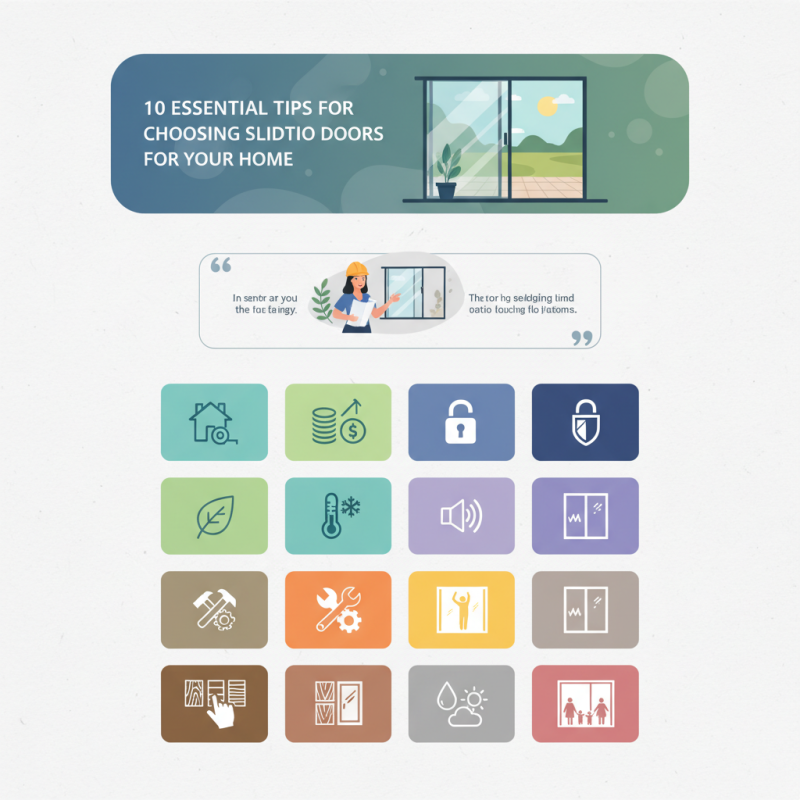
Factors to Consider Before Selecting Sliding Patio Doors
When selecting sliding patio doors, several factors demand careful consideration.
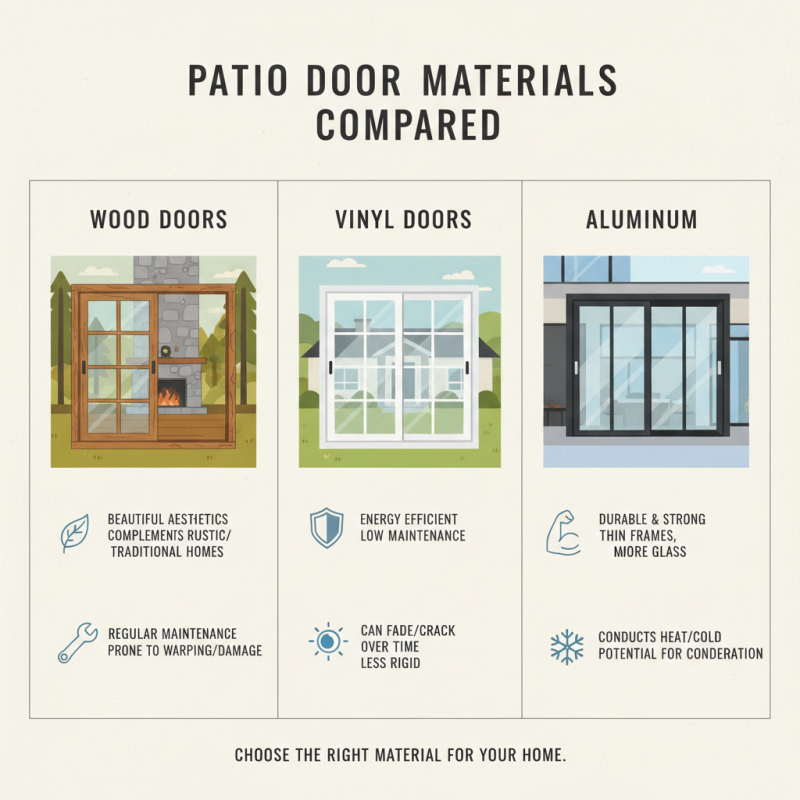
Start with the material. Common choices include wood,
vinyl, and aluminum.
Each comes with its pros and cons. Wood offers a classic look but may need more maintenance.
Vinyl is low-maintenance and energy-efficient. Aluminum is sturdy but can conduct heat.
Next, think about the size and layout of your space.
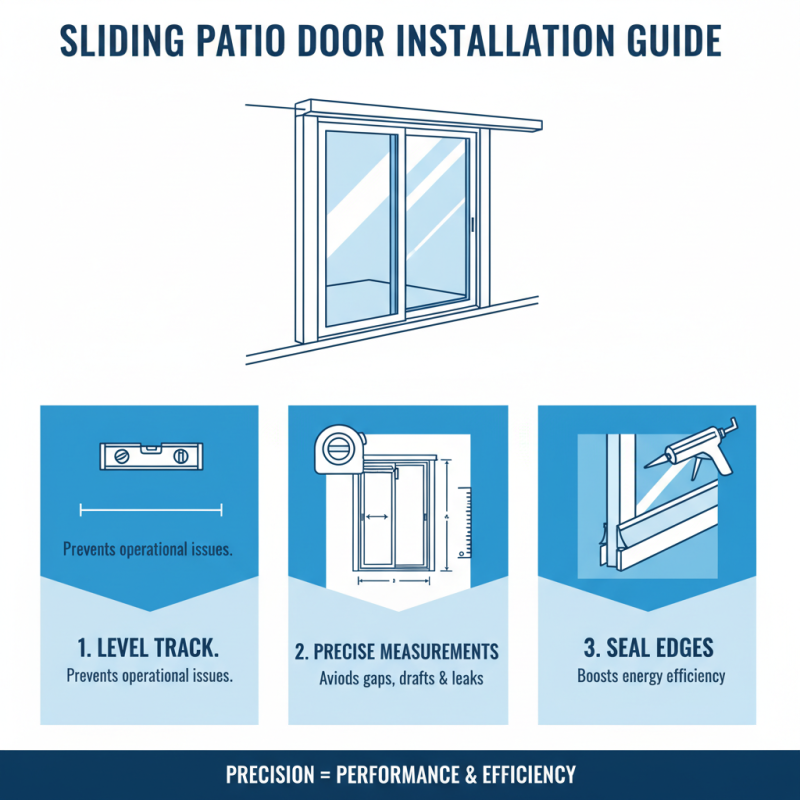
Measure the opening accurately. Oversized doors can create an impressive focal point but might disrupt the flow of smaller areas.
Also, consider the door's functionality. Do you prefer a single or double door system? A double may require more space for operation.
Energy efficiency is critical.
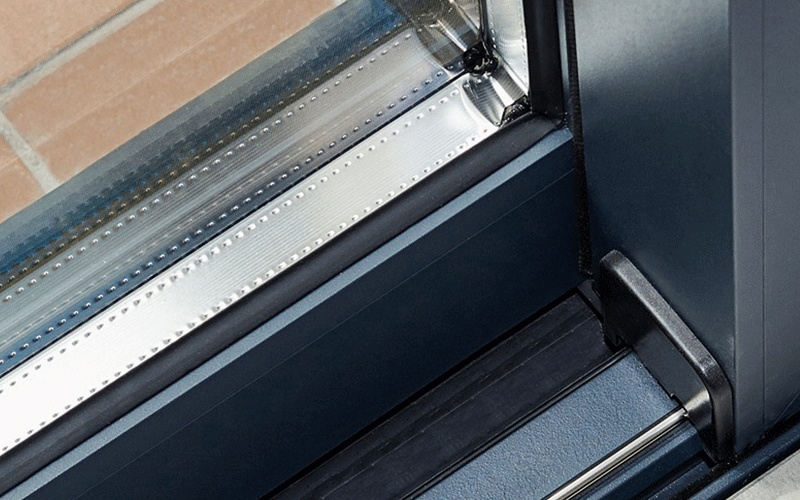
Look for doors with good insulation and weather sealing. This can impact your heating and cooling bills significantly.
Additionally, consider security features. Will you feel safe with the chosen model?
Some doors have advanced locking mechanisms, while others may feel vulnerable. Reflecting on these elements will help you make an informed choice.
Material Options: Comparing Wood, Vinyl, and Aluminum Doors
When choosing sliding patio doors, the material is crucial. Wood, vinyl, and aluminum each offer different advantages and disadvantages. Wood doors provide beautiful aesthetics. They can complement rustic or traditional homes. However, wood requires regular maintenance to prevent warping and damage. Many homeowners find this upkeep demanding over time.
Vinyl doors are popular due to their affordability. They come in various colors and styles. Vinyl is resistant to weather, making it low-maintenance. On the downside, they can lack the visual appeal of wood. Some find their appearance too plain compared to other options.
Aluminum doors are sleek and modern. They are robust and provide a clean, minimalistic look. However, they can conduct heat. This can lead to temperature issues inside your home. While they are durable, the thermal performance might require further consideration. Each material has its pros and cons. Reflecting on your home's style and personal preferences will guide you toward the best choice.
Understanding Energy Efficiency Ratings and Their Importance
When selecting sliding patio doors, energy efficiency cannot be overlooked. The U.S. Department of Energy emphasizes that windows and doors contribute to about 25-30% of residential energy usage. This highlights their significant role in thermal regulation. Higher energy efficiency ratings, such as those assigned by ENERGY STAR, can lead to substantial savings on heating and cooling costs.
Understanding Energy Efficiency Ratings is essential. These ratings indicate how well a door insulates against heat loss and gain. A lower U-factor signifies better insulation. For instance, doors with a U-factor of 0.30 or less are highly efficient. Yet, many homeowners often overlook this detail, opting for aesthetics over performance. This oversight can lead to increased energy bills and discomfort throughout the year.
Additionally, selecting doors with a high Solar Heat Gain Coefficient (SHGC) is crucial in warmer climates. A report from the National Renewable Energy Laboratory states that choosing doors with appropriate SHGC values can reduce cooling costs. However, some might find it confusing to balance style and efficiency. In pursuit of aesthetics, it’s easy to miss the mark on energy-saving features. Homeowners should consider these ratings seriously to make informed decisions.
10 Essential Tips for Choosing Sliding Patio Doors for Your Home
| Tip Number |
Tip |
Description |
Energy Efficiency Rating |
| 1 |
Choose the Right Material |
Consider options like vinyl, wood, or aluminum based on durability and maintenance. |
R-Value 3.0+ |
| 2 |
Look for Low-E Glass |
Low-emissivity glass reduces UV rays and improves insulation. |
Energy Star Rated |
| 3 |
Check for Proper Weatherstripping |
Ensure good sealing to avoid drafts and moisture ingress. |
N/A |
| 4 |
Select Energy Efficient Frames |
Look for frames that enhance insulation efficiency. |
U-Value 0.30 or lower |
| 5 |
Consider the Size |
Choose a size that complements your space and allows natural light. |
N/A |
| 6 |
Evaluate Security Features |
Look for multi-point locks and tempered glass for added security. |
N/A |
| 7 |
Research Installation Options |
Consider professional installation to ensure correct fitting. |
N/A |
| 8 |
Check Customer Reviews |
Read reviews to gauge performance and satisfaction from homeowners. |
N/A |
| 9 |
Explore Customization Options |
Select colors, finishes, and hardware that suit your style. |
N/A |
| 10 |
Understand Warranties |
Review warranty terms to protect your investment. |
N/A |
Design and Style: Choosing the Right Aesthetic for Your Home
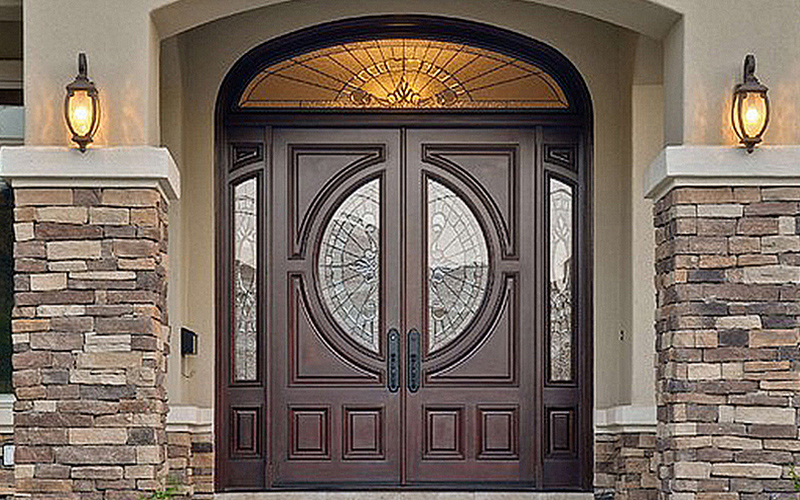
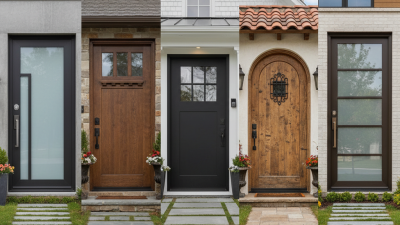
When selecting sliding patio doors, design and style play a crucial role. You want them to complement your home’s aesthetic. Consider materials that blend with your exterior. Wood offers warmth, while aluminum provides a modern touch. The color is also significant. Light shades can make a space feel airy, while darker tones add drama.
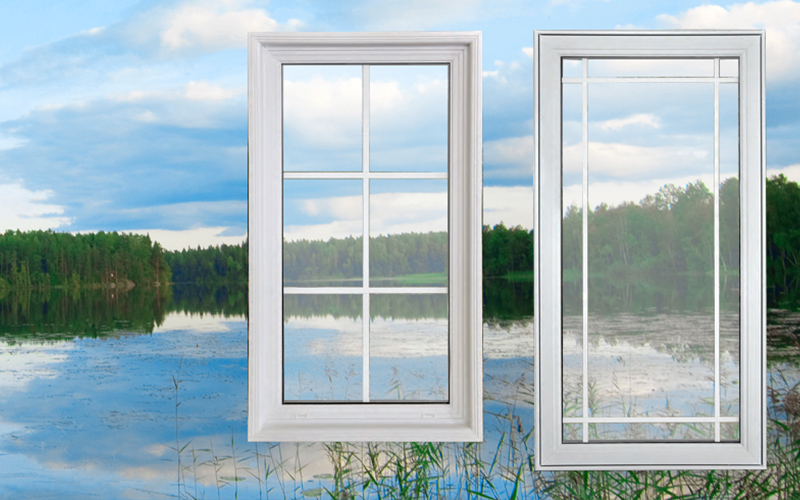
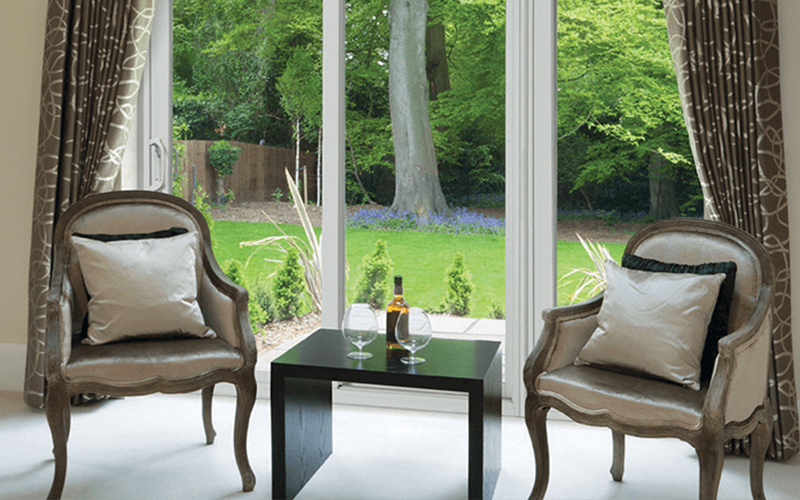
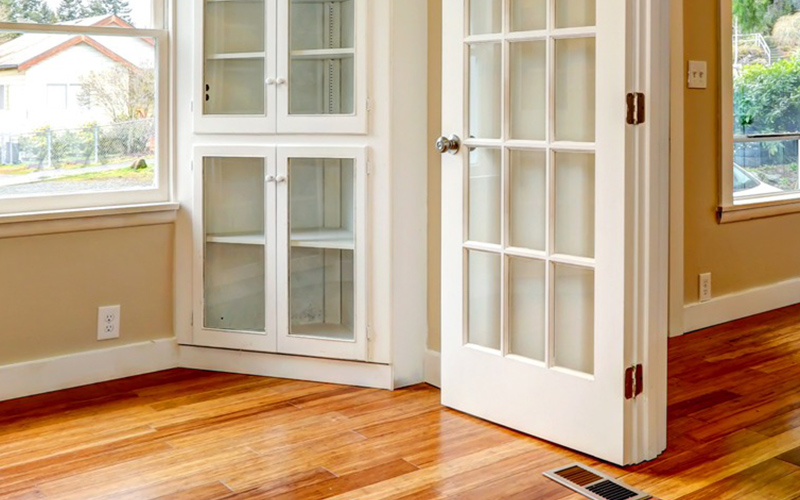
Think about the door’s style. Traditional sliding doors often have grids. They can evoke a classic feel. On the other hand, minimalist designs focus on large glass panels. This enhances natural light and connects your indoor and outdoor spaces. Remember to factor in texture as well. A smooth finish might reflect a sleek look, whereas a textured one adds depth.
You might find perfection elusive. Sometimes the perfect door may not fit your budget or space. Take time to visualize how each option affects your home’s overall vibe. Stand back and view the options from different angles. Impulse decisions can lead to dissatisfaction later. Embrace the process, and allow yourself to rethink choices that don't resonate.