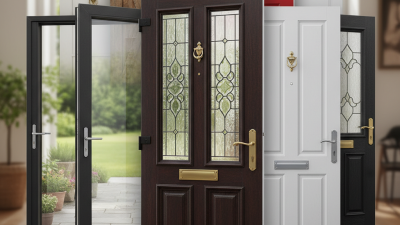
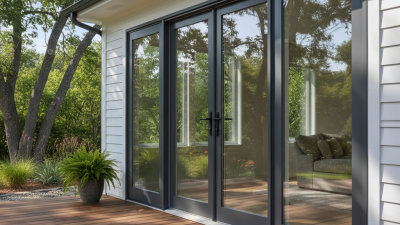
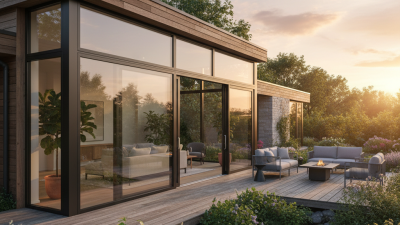
Why Choosing the Right Entry Doors Matters for Your Home Security and Style?
Choosing the right entry doors is critical for enhancing both security and style in your home. As security expert John Thompson notes, "The front door is the first line of defense against intruders." This statement underscores the importance of selecting robust entry doors that can withstand potential threats, while also making a strong aesthetic statement.
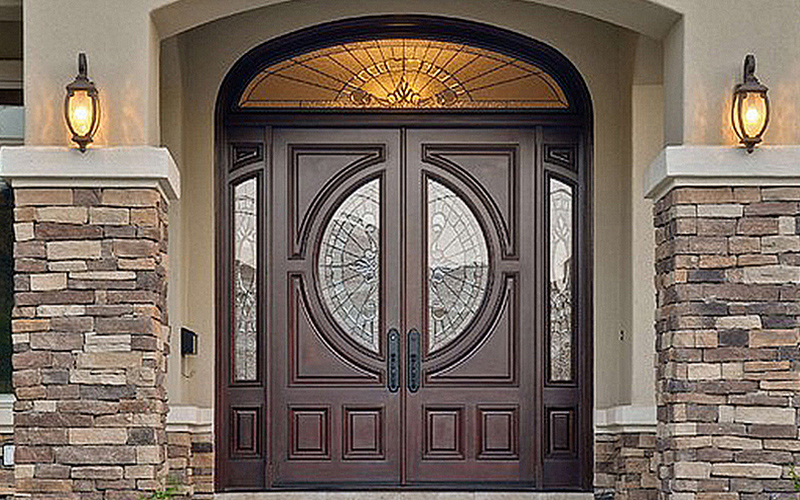
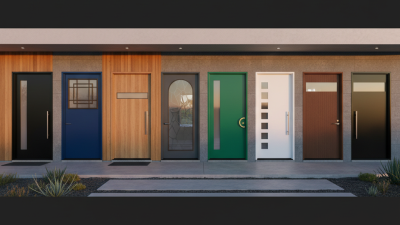
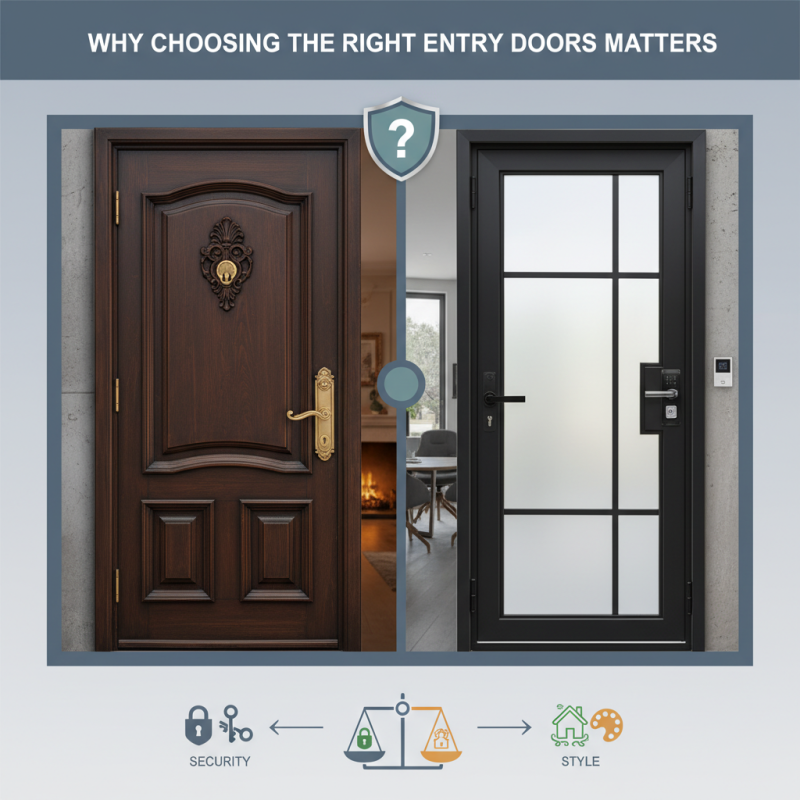
Homeowners should consider materials, design, and durability when choosing entry doors. A well-chosen door not only protects your home but also complements its architectural style. Imagine a stunning wooden door with intricate carvings, or a sleek modern door that’s equally inviting and secure. But, there’s often a mismatch between beauty and functionality. Many overlook the need for solid locks and strong frames.
Security and style should go hand in hand. Yet, choosing entry doors can be daunting. Buyers may feel tempted by trendy designs but compromise security features. It’s essential to strike the right balance. Each choice forms your home’s identity and enhances its safety. Reflecting on these factors can lead to a truly rewarding decision.
The Impact of Entry Door Quality on Home Security Statistics
The entry door to your home is more than just a point of access. It serves as the first line of defense against intruders. A sturdy door significantly reduces the likelihood of a break-in. According to statistics, homes with strong entry doors are less likely to be targeted by burglars. The material and design of the door play a critical role in its effectiveness. A heavy solid wood or steel door is often more secure than a hollow core door.
However, many homeowners overlook these details. They might choose aesthetics over security, resulting in vulnerable entry points. Glass panels or decorative features may enhance beauty but can also provide easy access for criminals. It’s essential to find a balance between style and safety. A door should be inviting but robust enough to deter unwanted guests.
Investing in quality entry doors can have a profound impact on home security. Simple upgrades, like reinforced frames and durable locks, can make a difference. Choosing wisely can protect your family and enhance your home’s overall appeal. But remember, security should always take precedence over appearance. Reflect on your choices and prioritize safety while maintaining your home's charm.
Why Choosing the Right Entry Doors Matters for Your Home Security and Style? - The Impact of Entry Door Quality on Home Security Statistics
| Entry Door Type |
Material |
Average Cost ($) |
Security Rating (Scale 1-10) |
Energy Efficiency (Scale 1-10) |
Style Appeal (Scale 1-10) |
| Fiberglass Door |
Fiberglass |
1,500 |
9 |
8 |
9 |
| Steel Door |
Steel |
1,200 |
10 |
7 |
6 |
| Wood Door |
Wood |
2,000 |
7 |
6 |
10 |
| Vinyl Door |
Vinyl |
1,000 |
6 |
7 |
6 |
| Aluminium Door |
Aluminium |
1,300 |
8 |
8 |
7 |
Exploring Different Materials: Wood, Steel, and Fiberglass Durability
Choosing the right entry door can significantly impact your home’s security and aesthetic appeal. When exploring different materials, three common options stand out: wood, steel, and fiberglass. Each has unique durability features. According to a report by the National Association of Home Builders, fiberglass doors can withstand harsher weather conditions than wood. Their advanced materials resist fading and warping over time, which is essential for long-term performance.
Wooden doors provide classic beauty but often require more maintenance. A study found that untreated wood doors show significant wear within five years. They can crack and swell due to humidity. Steel doors offer superior security but may dent. They are best for homeowners prioritizing safety over style. In fact, the same NAHB report indicates that 45% of break-ins occur through the front door, making the choice of material vital for security.
Choosing the right door isn’t always straightforward. Factors like climate, budget, and maintenance requirements complicate the decision. While fiberglass offers durability, it may not appeal to all tastes. Some homeowners find wooden doors aesthetically pleasing, yet grapple with their upkeep. Consider how your choice reflects your lifestyle.
How Design Features of Entry Doors Enhance Aesthetic Appeal
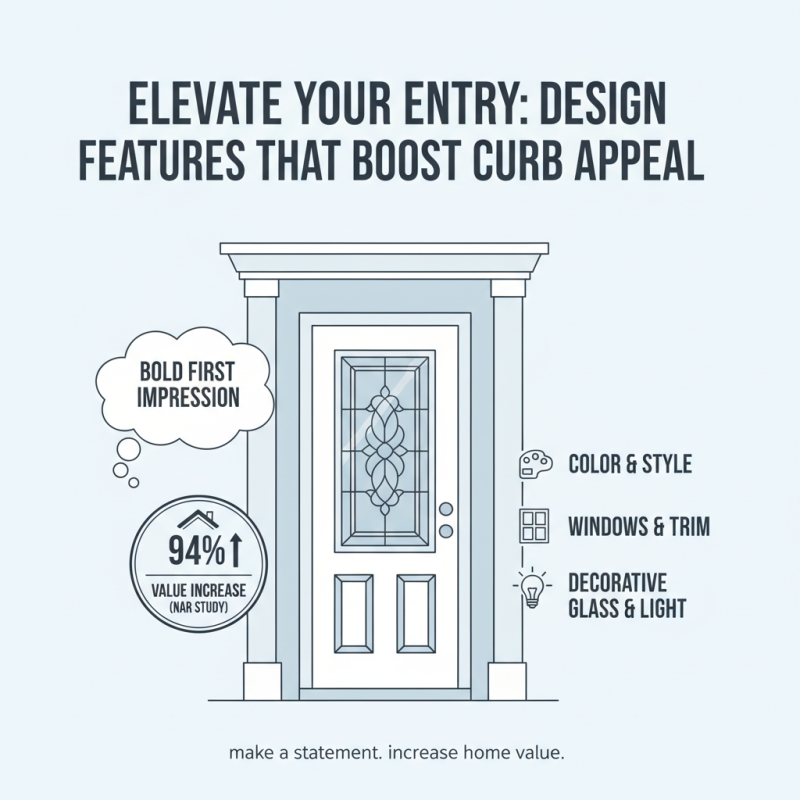
When selecting entry doors, design features can significantly enhance your home's aesthetic appeal. A well-designed door makes a bold first impression. According to a study by the National Association of Realtors, 94% of real estate agents suggest curb appeal can increase a home's value. Choosing the right color and style adds character. Consider elements like windows, trims, and materials. Decorative glass panels can also elevate the overall look while providing light.
Tips: Choose light colors for a modern look. Darker hues suit traditional styles. A strong contrast between the door and the exterior can grab attention.
Security features should blend seamlessly with design. Aesthetics shouldn’t compromise safety. Many doors come with advanced locking systems that are visually appealing. Look for doors with reinforced frames and multi-point locking systems. They provide peace of mind without sacrificing visual appeal.
Remember, a door is more than functionality. It reflects your taste. A grand entry can set the tone for your home. That said, it’s essential to regularly assess your choices. Are the aesthetics still appealing? Do the security features meet current standards? Regular reflection on these questions is vital for making informed decisions.
Analyzing Entry Door Locks: Security Ratings and Performance Metrics
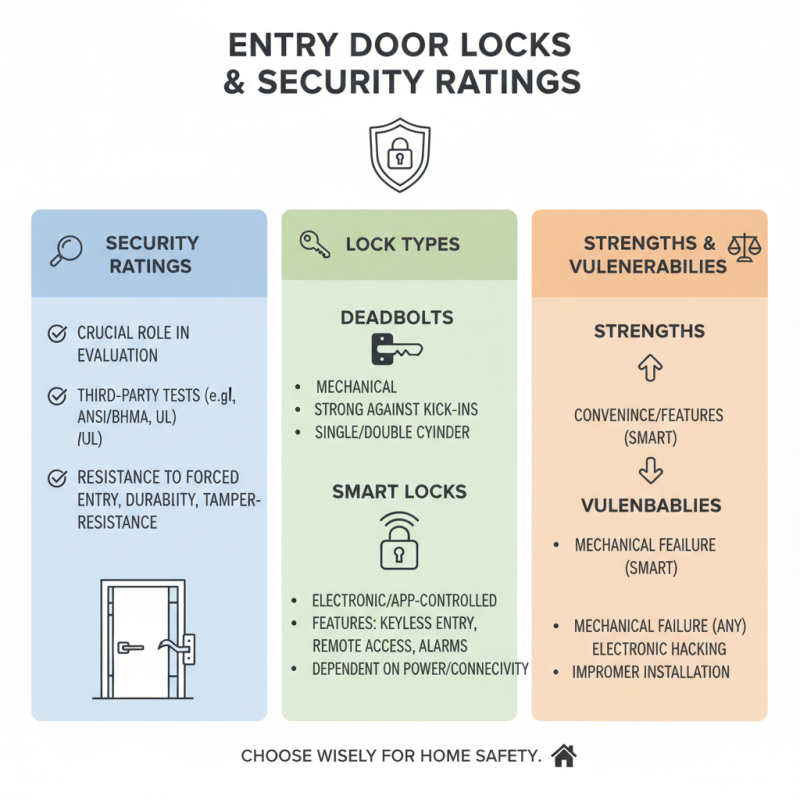
When analyzing entry door locks, security ratings play a crucial role. These ratings often come from third-party tests. They evaluate various aspects, such as resistance to forced entry. You might choose between different lock types, such as deadbolts or smart locks. Each has unique strengths and vulnerabilities.
Performance metrics, including durability and ease of use, should not be overlooked. Some locks can wear out quickly, needing replacements sooner than expected. You may find that a more expensive lock offers better long-term performance. These metrics can inform your decision on what truly fits your security needs.
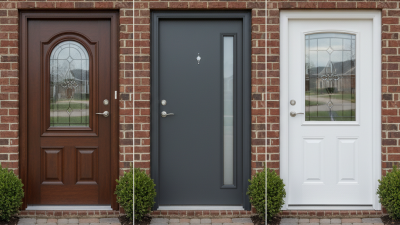
Consider the material of your entry door itself. Steel offers superior strength, while wood brings classic charm. However, wood can warp or crack over time. Your choice impacts both security and style. The right lock paired with a strong door enhances the entrance to your home, creating an effective barrier while complementing your aesthetic.
The Role of Professional Installation on Entry Door Effectiveness
Choosing an entry door is crucial for home security and style. However, even the best door won't be effective without professional installation. A study by the Home Security Association found that nearly 30% of home burglaries happen through entry doors. Proper installation can significantly reduce the risk of break-ins.
Poorly installed doors can create vulnerabilities. For example, gaps around the frame might allow for easy manipulation or forced entry. In fact, installation errors contribute to a staggering 70% of door failures. This highlights the importance of skilled professionals in ensuring a secure fit.
Additionally, professional installers follow specific industry guidelines. They understand how to secure the door against elements and intruders. Quality installation can enhance the door's effectiveness. It can provide a tight seal to resist weather damage. Many homeowners overlook these details, thinking all doors are the same. Ultimately, investing in installation expertise pays off long-term.
Impact of Entry Door Quality on Home Security and Style