Why Choose Fiberglass Entry Doors for Your Home?
When considering home improvements, many homeowners overlook the benefits of fiberglass entry doors. According to Jack Thompson, a leading expert in door manufacturing, "Fiberglass entry doors offer unmatched durability and energy efficiency." These doors are becoming increasingly popular in today's market.
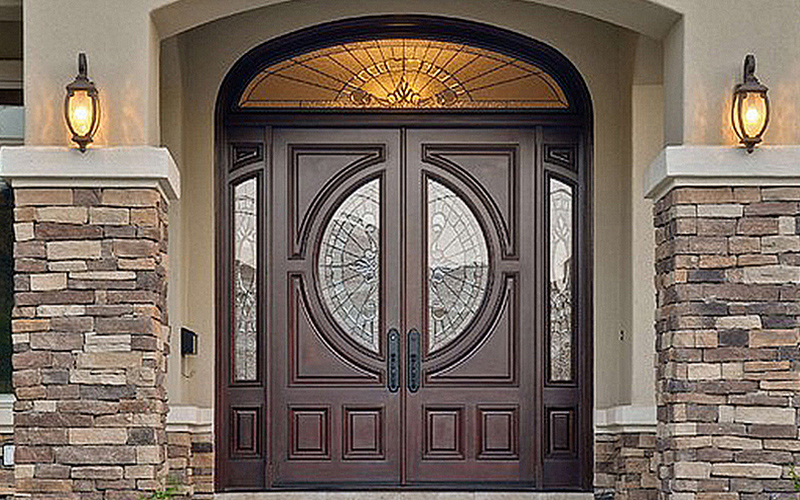
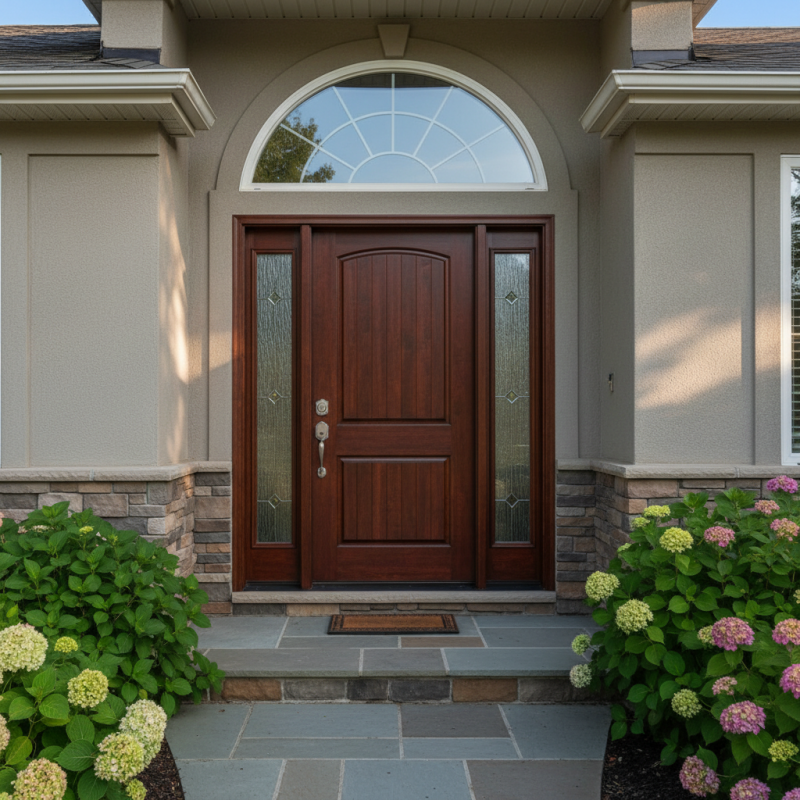
Fiberglass entry doors provide a perfect blend of aesthetics and practicality. They can mimic the look of wood while resisting warping, cracking, and splitting. Moreover, they are generally more energy-efficient compared to traditional wooden doors. Homeowners often need to reflect on long-term costs when choosing doors. While the initial investment may seem high, the savings on energy bills can be significant.
However, it's essential to note that not all fiberglass doors are created equal. Some cheaper options may lack the sturdiness and features of higher-quality doors. It's vital to research and select a reputable manufacturer. Choosing fiberglass entry doors can enhance home value and comfort, but careful consideration is necessary for making the right decision.
Benefits of Fiberglass Entry Doors Compared to Traditional Materials
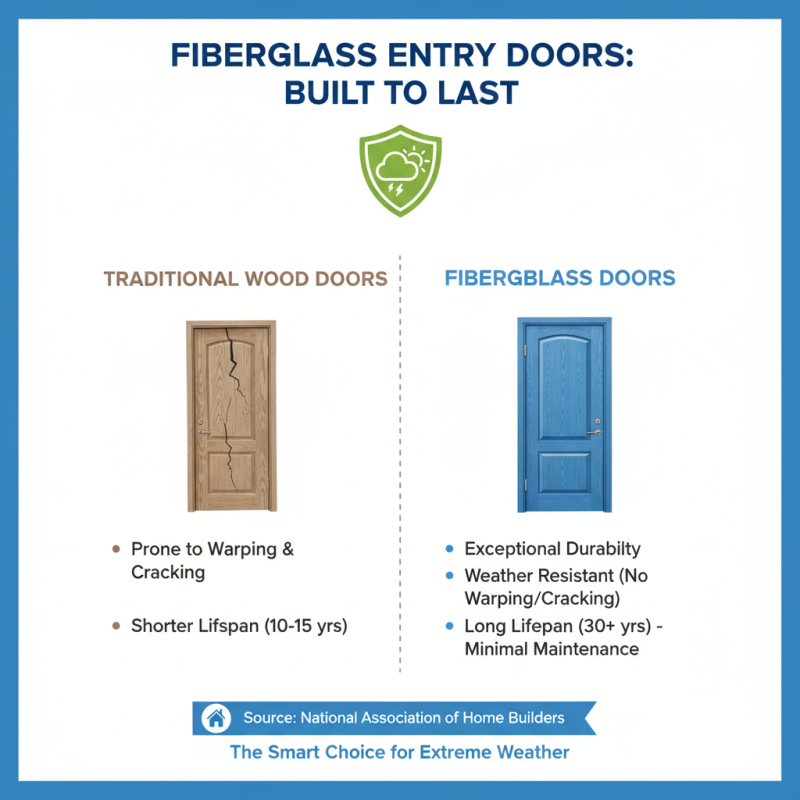
Fiberglass entry doors offer a range of benefits compared to traditional wooden or steel options. They are highly resistant to warping, cracking, and dents. This means less maintenance and more durability over time. Homeowners appreciate these features, especially in regions with extreme weather. Unlike wood, fiberglass does not absorb moisture. This property helps maintain the door’s integrity, reducing the chances of swelling or rotting.
Another advantage is energy efficiency. Fiberglass doors often come with a core that provides excellent insulation. This can lead to lower energy bills. Additionally, they are customizable. Homeowners can choose various colors and styles to match their home’s aesthetic. Some designs mimic the look of wood, adding beauty without the drawbacks. However, they may not appeal to those who prefer a purely natural look.
While installation can be straightforward, some homeowners find it tricky. It’s crucial to ensure a proper fit to maximize benefits. A slight misalignment might lead to air leaks, negating energy-saving advantages. Overall, the choice of fiberglass doors invites several thoughtful considerations for homeowners looking for both functionality and style.
Benefits of Fiberglass Entry Doors Compared to Traditional Materials
Durability and Weather Resistance of Fiberglass Doors
Fiberglass entry doors have gained popularity due to their exceptional durability and weather resistance. Unlike traditional wood doors, fiberglass doors don’t warp or crack. According to the National Association of Home Builders, fiberglass doors can last up to 30 years with minimal maintenance. This longevity is particularly beneficial when facing extreme weather conditions.
In areas with constant rain or snow, fiberglass doors perform remarkably well. They do not absorb moisture, reducing the risk of rot or mold. A report by the Door and Access Systems Manufacturers Association highlights that fiberglass doors can withstand temperatures ranging from -40°F to 150°F. This makes them suitable for various climates.
Tip: When selecting a fiberglass door, check for an Energy Star rating. This ensures better insulation and energy efficiency.
Choosing fiberglass means investing in your home’s security and energy savings. These doors are also resistant to dents and scratches, maintaining their aesthetic appeal. However, some homeowners may find the upfront cost higher than wood doors. It's vital to weigh the long-term benefits against initial expenses.
Tip: Consider the color and finish carefully. Maintenance might be needed to retain their beauty over time.
Energy Efficiency and Insulation Properties of Fiberglass Entry Doors
Fiberglass entry doors have become popular for several reasons. One key aspect is their energy efficiency. Unlike traditional wood or metal doors, fiberglass doors are designed to resist temperature changes. They maintain a consistent indoor temperature, which can lower your energy bills.
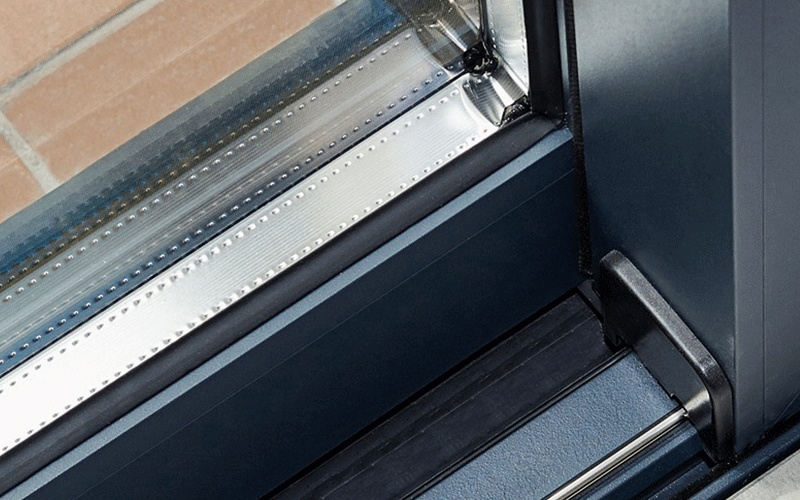
The insulation properties of fiberglass are impressive too. These doors often come with foam cores, providing excellent thermal resistance. This can help keep your home warm in winter and cool in summer. You might notice a difference right away. Your HVAC system won't need to work as hard.
However, some may find that not all fiberglass doors are created equal. It's essential to choose doors with high-quality insulation to truly benefit from energy savings. Poor installation can also diminish their efficiency. Reflecting on these details can help you make a better decision for your home.
Maintenance Requirements for Fiberglass vs. Wood or Steel Doors
Fiberglass entry doors are becoming increasingly popular among homeowners. They boast impressive durability and low maintenance, especially when compared to wood or steel doors. According to a report from the Door and Window Manufacturers Association, fiberglass doors can last up to three times longer than their wooden counterparts. This means less frequent replacement and hassle for homeowners.
Maintenance is a critical factor in choosing a door. Wood doors often require regular staining or painting to prevent rot and fading. This can be time-consuming and expensive. On the other hand, steel doors may rust if not properly maintained. In contrast, fiberglass doors need minimal upkeep. Occasional cleaning with soap and water is usually sufficient. They resist dents and scratches, retaining their appearance over time.
However, not all fiberglass doors are created equal. Some lower-quality options may still require extra care. Furthermore, while they offer great insulation, they can be susceptible to fading in direct sunlight over the years. Homeowners should keep these considerations in mind. Fiberglass doors present an attractive option with many advantages, but it's crucial to do proper research before making a decision.
Aesthetic Options and Customization for Fiberglass Entry Doors
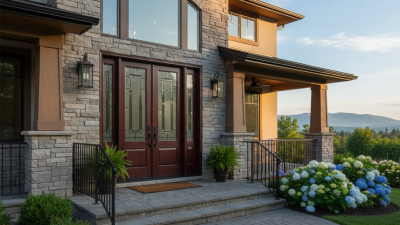
Fiberglass entry doors offer a wide range of aesthetic options for homeowners. These doors can mimic the appearance of real wood while providing superior durability. In fact, reports suggest that home upgrades featuring fiberglass doors have a return on investment of about 70%. This is an important consideration for homeowners looking to enhance their property value.
Customization is another significant advantage of fiberglass doors. Homeowners can choose different colors, finishes, and hardware. This flexibility allows for unique designs that can suit various architectural styles. Custom panels and glass inserts are also available, giving your entryway a personal touch. However, selecting the right combination can be overwhelming, which may leave some homeowners feeling uncertain about their choices.
Tip: Consider your home’s overall design when selecting a fiberglass door. Visual harmony can enhance curb appeal. Balance bold colors with soft hues for an inviting entrance.
Another tip: Don’t overlook energy efficiency. Fiberglass doors often come with high insulation values, making them a smart choice. A well-insulated door can reduce heating and cooling costs, contributing to sustainable living. But, not every door may offer the same efficiency. Therefore, read product specifications carefully.