What is the Best Type of House Doors for Your Home?
Choosing the right house doors is vital for your home. They are the first thing visitors see. House doors need to be functional, secure, and stylish. A good door can enhance curb appeal and offer protection.
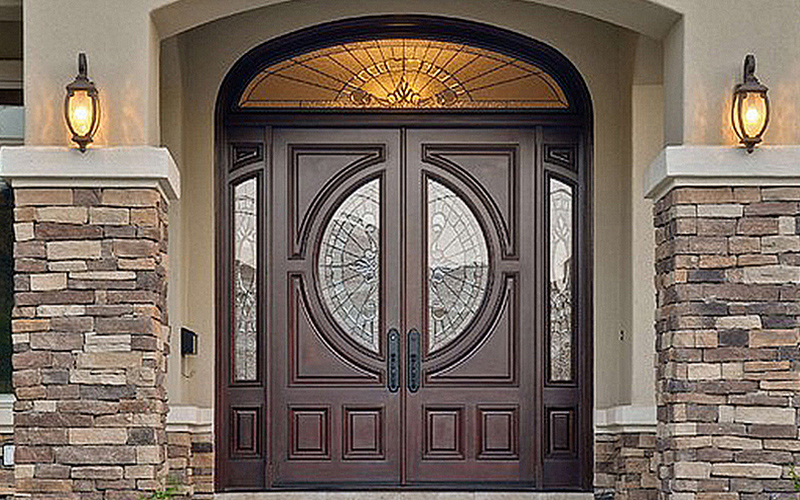
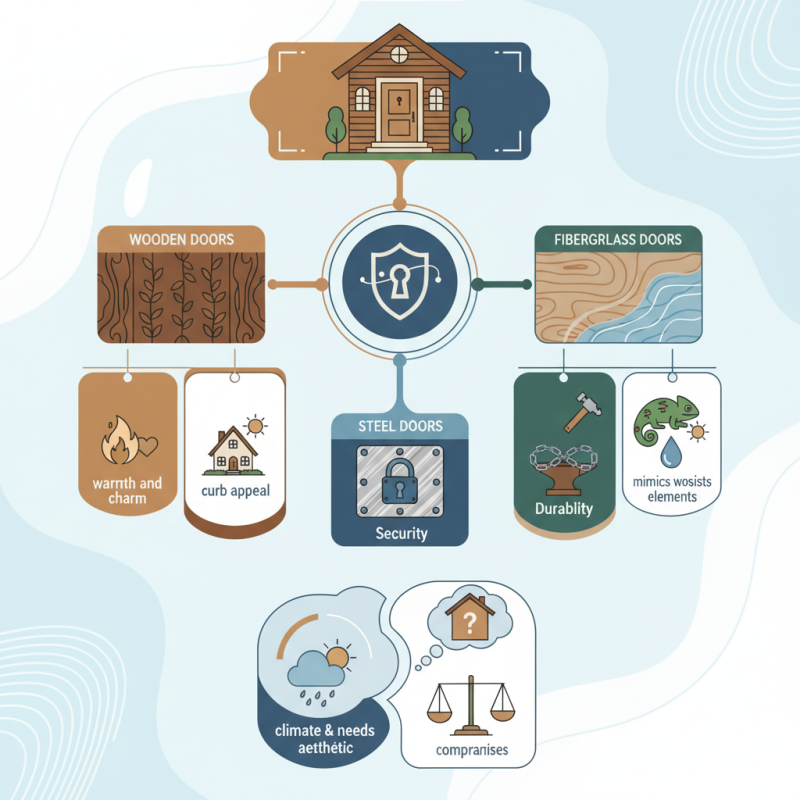
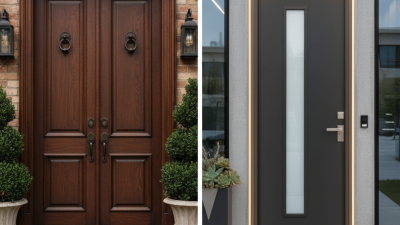
There are many styles available. Wooden doors offer warmth and charm. Steel doors provide security and durability. Fiberglass doors can mimic wood while resisting the elements. Each type has its pros and cons.
Think about your climate and needs. Will your door withstand harsh weather? Does it fit your home’s aesthetic? Sometimes compromises are necessary. You might want a stylish look, but security is paramount too. Taking time to explore different options can lead to better choices.
Types of House Doors: An Overview of Options Available
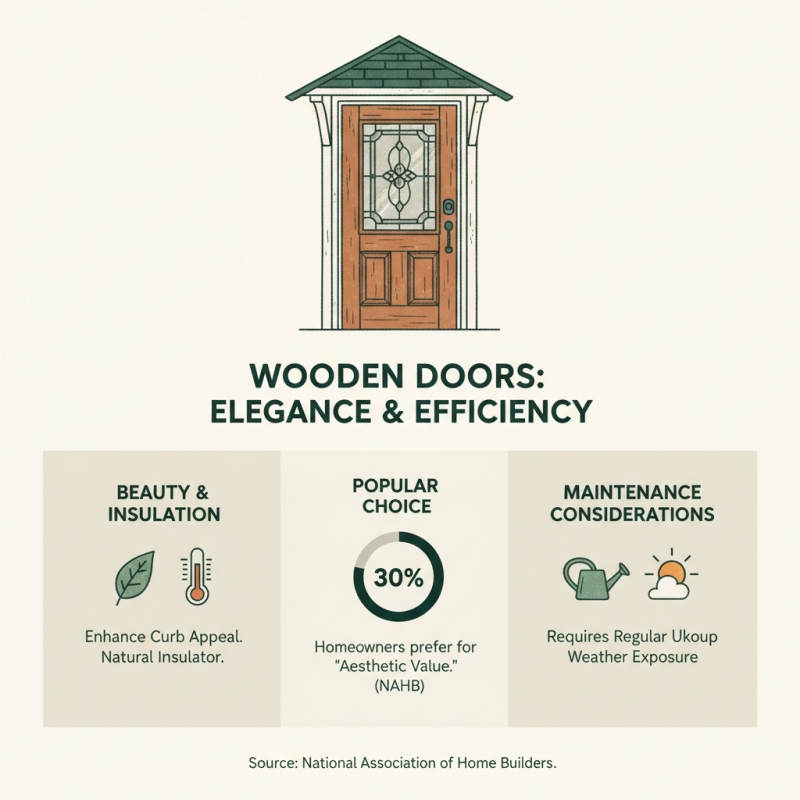
When choosing house doors, several types are available, each with unique features. Wood doors are known for their beauty and insulation. They can enhance a home's curb appeal. However, they may require regular maintenance due to weather exposure. According to the National Association of Home Builders, about 30% of homeowners prefer wooden doors for their aesthetic value.
Steel doors are becoming increasingly popular. They offer excellent security and durability, often at a lower price point than wood. The Steel Door Institute reports that they can withstand harsh weather conditions. Yet, these doors may not offer the same insulation as their wooden counterparts. Some buyers might regret not considering energy efficiency when opting for steel.
Fiberglass doors are also available. They mimic the look of wood but do not warp. A report by the U.S. Department of Energy shows they can save up to 15% on energy costs. However, some homeowners find them less appealing than traditional wood. Each type of door has pros and cons. It's essential to weigh them against personal preferences and long-term needs.
Materials Used in Door Manufacturing: Pros and Cons
When selecting the best door for your home, understanding materials is crucial. Different types offer unique benefits and drawbacks. Wood doors have a classic appeal. They provide good insulation and can be painted or stained. However, wood can warp over time and requires regular maintenance.
Steel doors are another option. They are sturdy and can withstand harsh weather. Their security features are outstanding. Still, they can dent easily. While steel doors provide excellent durability, they may not offer the same aesthetic charm as wood. Consider the environment. Metal reacts to moisture, leading to rust in some conditions.
Fiberglass doors prove to be versatile. They mimic the look of wood but are much more resilient. They insulate well and resist damage. However, some may find them less visually appealing than traditional options. Like many home features, choosing the right door involves trade-offs. Each material comes with its own set of concerns.
Material Comparison of House Doors
Choosing the Right Style: Aesthetic and Functional Considerations
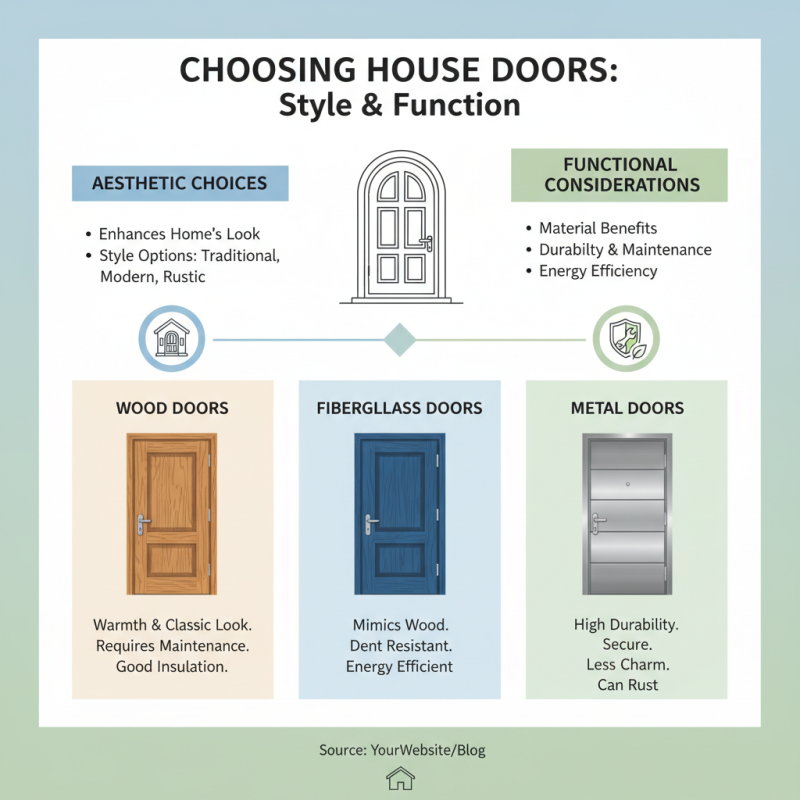
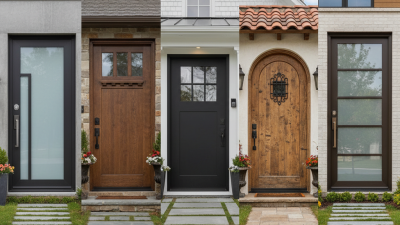
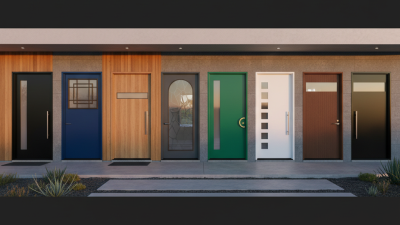
When selecting house doors, both style and function play vital roles. Aesthetic choices can enhance your home’s overall look. Consider materials like wood, fiberglass, or metal. Each offers unique benefits. Wood doors provide warmth but require maintenance. Metal doors are durable but might lack charm. Fiberglass can mimic wood’s appearance while resisting dents.
Functionality is equally important. Think about security features and energy efficiency. Choose doors with strong locks and insulation. An entry door must endure weather and daily use. Don’t overlook their impact on energy bills. Poor insulation can lead to drafts, wasting heat in winter. Windows in doors add light but may reduce energy performance.
Finding the right door is challenging. The best choice reflects personal taste and practical needs. A door should feel inviting while ensuring safety. Explore different styles before deciding. Keep an open mind. You might overlook options that fit your vision. Embracing imperfections in design allows for creativity. Remember, a door is not just a barrier but a central element of your home’s character.
Energy Efficiency in House Doors: What to Look For
When choosing house doors, energy efficiency is a critical factor. According to the U.S. Department of Energy, doors can account for up to 10% of a home's energy loss. Selecting a door with good insulation is essential. Look for doors with a minimum R-value of 5, as this indicates better thermal resistance.
Materials play a significant role in energy efficiency. Fiberglass doors, for example, can offer excellent insulation. Wood doors provide good energy performance but require regular maintenance. Steel doors are durable and often come with insulation features, but they may not always be aesthetically pleasing. Each material has pros and cons that need careful consideration.
Seals and weather stripping are vital. Poor sealing can lead to drafts, increasing heating costs. The Energy Star program suggests checking for proper weather stripping to prevent air leaks. It’s common for homeowners to overlook these details. Small gaps can significantly impact your energy bills, often leading to frustration. Energy-efficient doors should not just be appealing; they must also perform well in various conditions.
What is the Best Type of House Doors for Your Home? - Energy Efficiency in House Doors: What to Look For
| Door Type |
Material |
Energy Efficiency Rating |
Average Cost ($) |
Durability (Years) |
| Fiberglass |
Fiberglass |
R-5 to R-7 |
1,500 - 3,000 |
30+ |
| Steel |
Steel |
R-5 to R-6 |
800 - 2,000 |
20-30 |
| Wood |
Wood |
R-3 to R-4 |
1,000 - 3,500 |
15-20 |
| Vinyl |
PVC |
R-4 to R-5 |
900 - 2,500 |
20-30 |
Security Features in House Doors: Enhancing Home Protection
Security Features in House Doors: Enhancing Home Protection
When it comes to home security, doors play a critical role. A study by the Bureau of Justice Statistics found that nearly 70% of break-ins involve forced entry through doors. This alarming statistic underscores the need for high-quality house doors with robust security features.
Choosing a solid core door can significantly enhance protection. These doors are more resilient than hollow-core doors. They resist force better and are harder for intruders to break through. Additionally, consider doors with multi-point locking systems. These locks engage at multiple points, making unauthorized access difficult.
Tips: Always ensure your door frame is robust. A sturdy frame prevents intruders from easily kicking in the door. A deadbolt, while vital, is not enough on its own. Reinforcing the strike plate with longer screws can further deter break-ins. One often overlooked aspect is the importance of door hinges. Hinges on the outside should feature non-removable pins, preventing easy tampering.
In the quest for safety, continual assessment of your door's security is key. Frequent checks for signs of wear can reveal vulnerabilities. While a door may seem solid, age and exposure can slowly compromise its strength. Ensuring a reliable entry point is paramount in protecting your home.