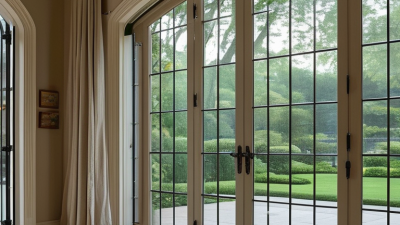
Best French Doors for Your Home Design Choices?
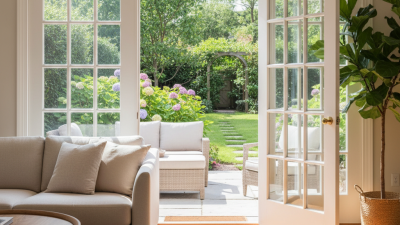
French doors can elevate the aesthetics of any home. According to renowned interior designer Marie Flanigan, "French doors add a touch of elegance and charm to living spaces." Their classic look can blend seamlessly with various design styles, from modern to traditional.
Choosing the right French doors involves careful consideration. Different materials, such as wood, fiberglass, or aluminum, offer distinct advantages. Natural wood provides warmth, while fiberglass ensures durability. Each option comes with unique maintenance needs, adding complexity to the decision.
It’s essential to reflect on your home's layout and light needs. French doors can brighten and open up spaces, but poor placement can lead to a cluttered feel. Evaluating functionality is just as crucial as aesthetics. The perfect choice should enhance room flow while providing ease of use. With a thoughtful approach, you can truly make French doors a stunning focal point in your home design.
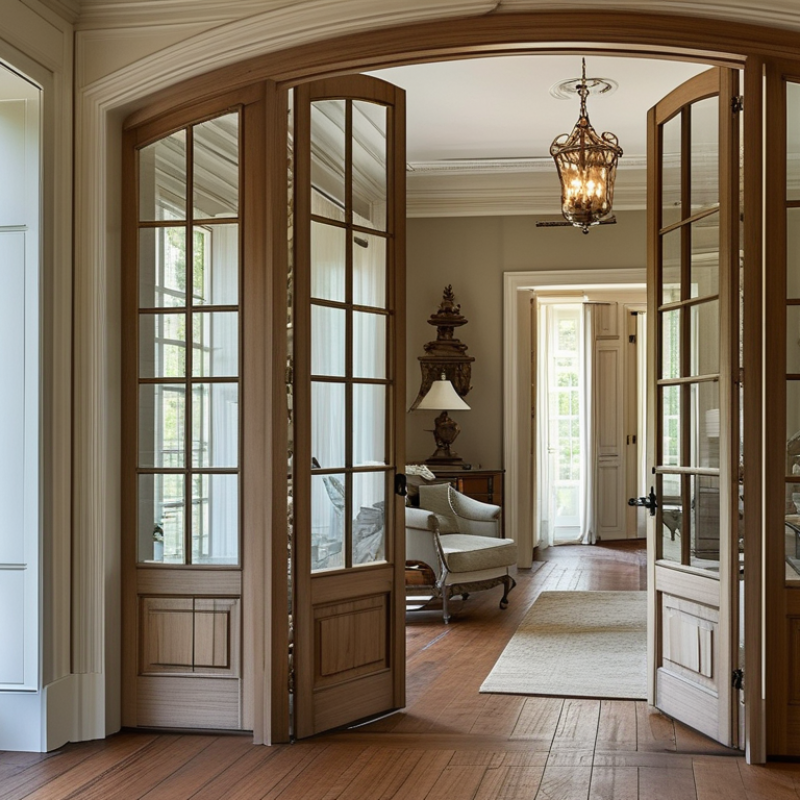
Best French Door Materials: Wood, Vinyl, or Fiberglass?
Choosing the right material for your French doors can enhance both the aesthetic and functionality of your home.
Wood, vinyl, and fiberglass each offer unique advantages and challenges. Wood exudes warmth and elegance, making your space feel inviting. However, it requires regular maintenance to prevent warping and rotting. Consider whether you can commit the time and resources needed for upkeep.
Vinyl is a practical choice for many homeowners. It is durable, cost-effective, and resists fading and chipping. The downside? It may not provide the same classic look as wood. Still, it suits modern designs well, especially in high-traffic areas. Reflect on your design goals when choosing this material.
Fiberglass stands out for its strength and energy efficiency. It resists weather changes and doesn't require much upkeep. Yet, the initial cost can be higher than other materials. Weigh these factors against your budget and long-term plans. When selecting, think about your lifestyle and future needs. Each material comes with its own set of challenges and benefits. Understand these before making a final decision.
Energy Efficiency Ratings: The Importance in French Door Selection
Choosing the right French doors for your home goes beyond aesthetics. Energy efficiency ratings should be a key consideration. These ratings inform you of how well a door can insulate your home against temperature changes. A door with poor insulation can lead to higher energy bills and an uncomfortable living environment.
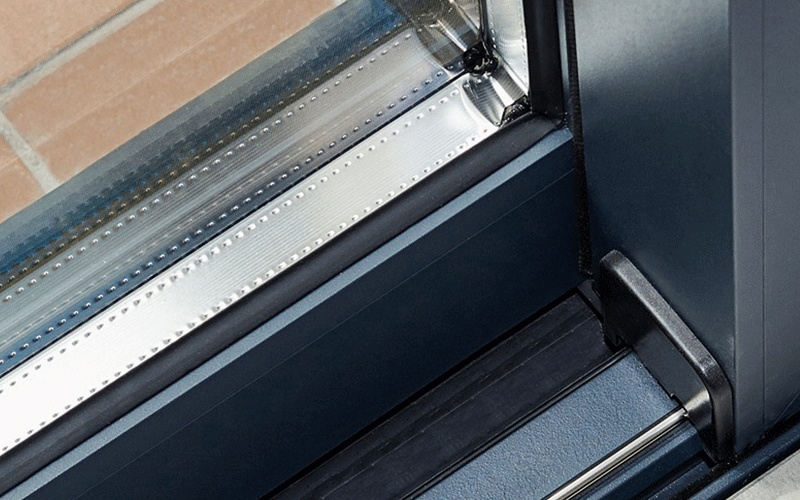
When evaluating French doors, look for those that feature low-E glass and high-quality frames. These components trap heat during winter months and keep your home cool in summer. Many doors come with energy-efficient certifications. However, not all labels are created equal. It is essential to research these certifications to ensure they match your needs.
You might come across designs that seem perfect but lack solid energy performance metrics. This discrepancy can result in regrets, especially if you find drafts and increased heating costs later on. Thus, unwillingness to compromise on quality could save you future hassle. Likewise, always consider local climate conditions. What works best in one area might not be suitable in another. Balancing beauty with functionality can be the key to a satisfying choice.
Design Styles: Traditional vs. Modern French Door Aesthetics
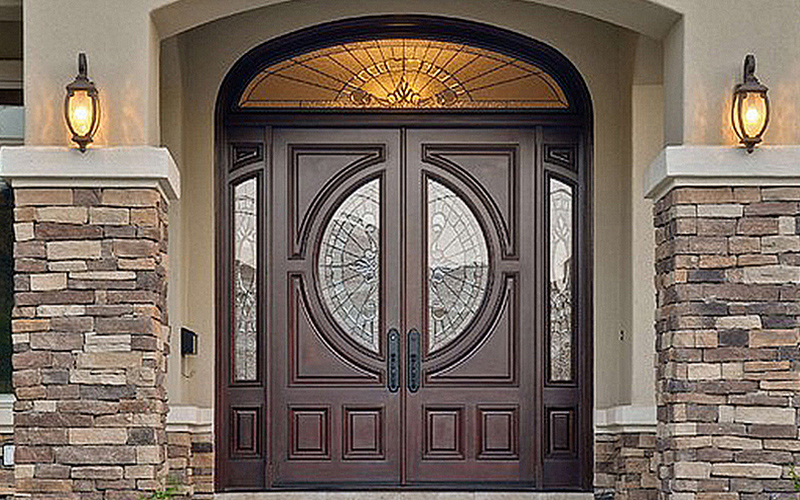
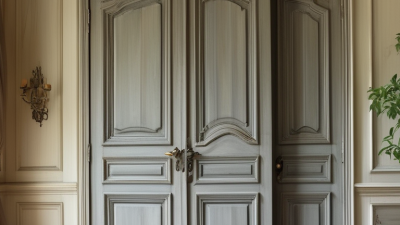
When it comes to choosing French doors, aesthetics play a crucial role. Traditional French doors often feature intricate moldings and timeless designs. They typically use wood, showcasing craftsmanship and detailed finishes. These doors fit seamlessly into classic home designs, offering elegance and charm. They evoke a sense of nostalgia and warmth, making them ideal for cottages or historic homes.
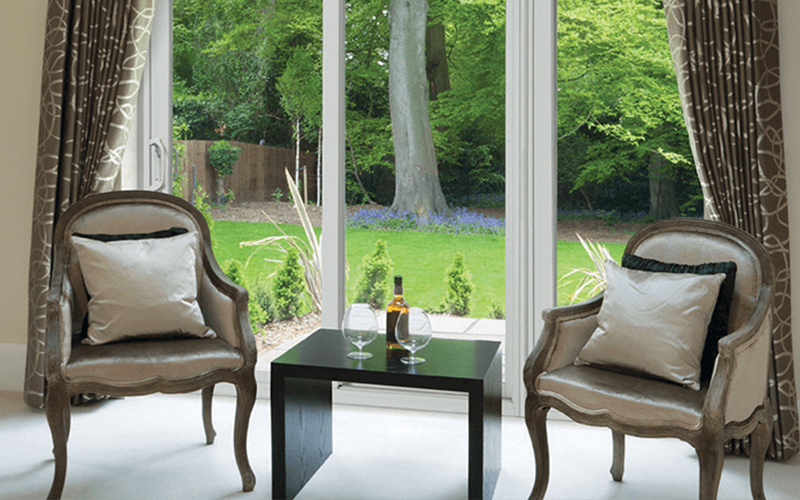
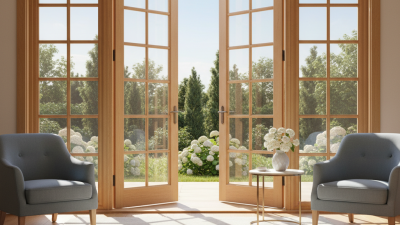
Modern French doors, on the other hand, adopt a sleeker approach. They often incorporate larger glass panels and minimalistic frames. This design choice allows more light to flow into the home, creating a brighter atmosphere. The clean lines and subtle finishes can complement contemporary spaces well. However, achieving the right balance can be tricky. Modern options may sometimes lack the character found in traditional styles. Homeowners should reflect on their overall design vision when selecting the right doors.
Ultimately, both styles offer unique benefits. Traditional doors bring warmth and history, while modern designs offer spaciousness and light. Choosing the right style hinges on personal preference and the specific design language of your home. Exploring various options can lead to revelations about what truly enhances your living space.
Comparison of Design Styles for French Doors
Installation Considerations: Professional vs. DIY for French Doors
When considering the installation of French doors, homeowners often face the choice between professional installation and a DIY approach. Each option has its advantages and challenges. Professional installation brings expertise and assurance. It typically ensures that the doors are level and properly sealed. However, hiring professionals can be costly. Those on a budget may lean toward DIY, but this comes with risks.
DIY installation of French doors requires careful planning. It’s essential to measure your space accurately. Mistakes in measurement can lead to gaps and drafty openings. One common issue is misalignment, which can affect the door's function. Those with some construction experience might find this task manageable. For beginners, however, this can be daunting and seems overwhelming.
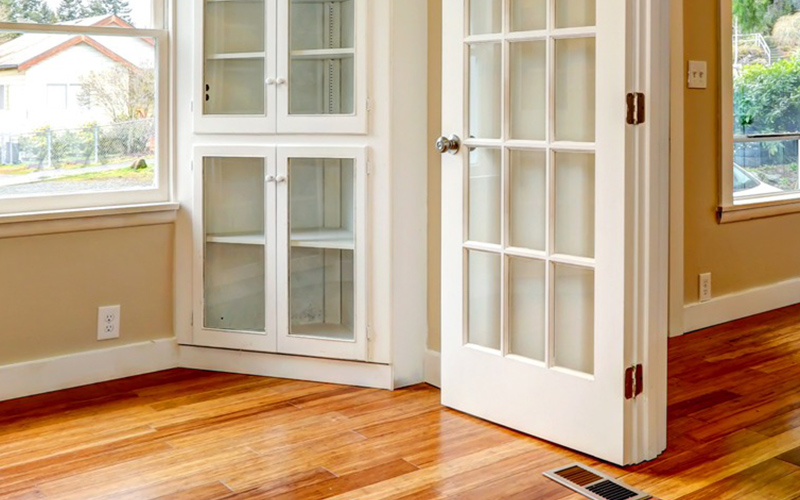
Consider using pre-hung doors for easier installation. They come with the frame already attached, simplifying the process. Always check local building codes before starting. This can prevent future complications. Keep in mind that installing French doors is a significant investment in your home. A poorly installed door can lead to energy inefficiency and costly repairs. It’s wise to reflect on your skill level and time commitment before deciding on DIY or professional help.
Best French Doors for Your Home Design Choices - Installation Considerations: Professional vs. DIY for French Doors
| Feature |
Professional Installation |
DIY Installation |
| Cost |
Higher upfront cost (labor included) |
Lower cost, only materials needed |
| Time for Installation |
Typically 1-2 days |
Can take several days (depending on experience) |
| Skill Level Required |
None, professionals handle it |
Intermediate to advanced carpentry skills |
| Quality of Work |
Professional finish, warranty often included |
Dependent on personal skill and tools |
| Tools Needed |
None, supplied by the contractor |
Saw, drills, level, caulking gun |
| Post-Installation Support |
Available, peace of mind with warranties |
Limited, reliant on personal expertise |
Cost Analysis: Budgeting for French Doors in Home Renovations
When planning a home renovation, budgeting for French doors is essential. The initial cost may seem intimidating, ranging from a few hundred to several thousand dollars. Factors such as material, installation, and customization all influence the final price. Wooden doors, for example, can offer a classic aesthetic but tend to be pricier than vinyl or fiberglass options.
It's important to reflect on long-term costs, too. Investing in energy-efficient models may require a larger upfront payment. However, the savings on energy bills can justify the expense over time. Proper installation is crucial; poor workmanship can lead to additional costs down the road.
Consider unforeseen expenses that often arise during renovations. Hidden damage or structural issues may surface once work begins. Creating a buffer in your budget for unexpected costs can reduce stress later. Effective planning and research are vital. Engage with professionals to get a clearer picture of what you're investing in. Balancing style and budget is challenging but achievable with due diligence.