






What Are the Best Aluminum Patio Doors from China?

Choosing the best aluminum patio doors from China requires more than comparing catalogue prices. Performance depends on profiles, glass, hardware, fabrication, and installation quality. A polished showroom image proves very little.

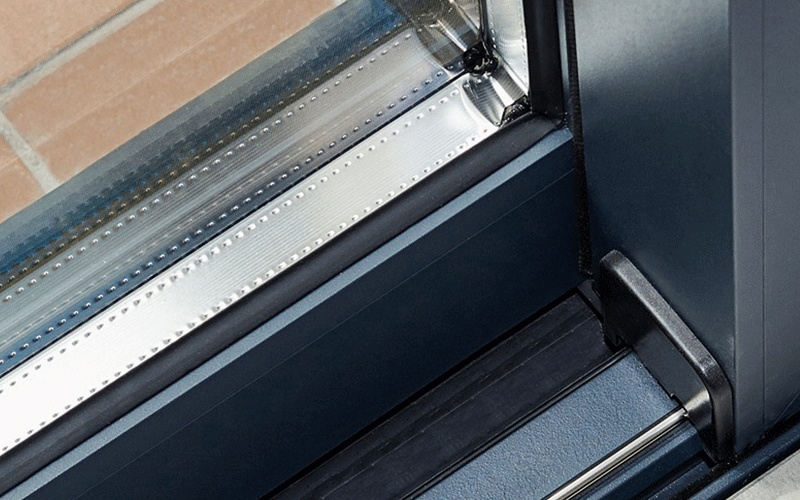
The strongest options usually use thermally broken aluminum frames, insulated glazing, adjustable rollers, and durable powder coatings. These details matter in real homes. A door facing strong sun may need low-e glass and careful drainage. Coastal projects require stronger attention to corrosion resistance. Cold regions demand reliable weather seals and low air leakage.

Supplier verification should include factory audits, production samples, test reports, and clear warranty terms. Ask for thermal performance data, wind-load ratings, water-tightness results, and hardware specifications. Independent testing is more useful than broad marketing language. Check whether the listed values match the exact door configuration. Small changes in glass or frame size can affect performance.

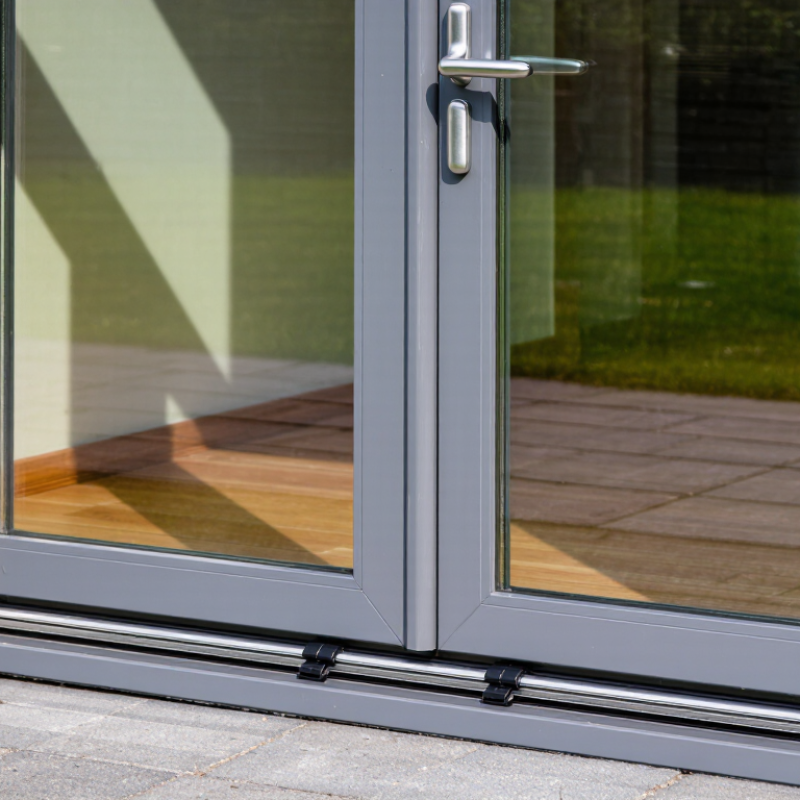
Price still matters, but the lowest quotation may hide weak packaging, limited support, or inconsistent tolerances. Request corner samples and inspect welds, gaskets, locks, and sliding movement. Operate the hardware repeatedly. Listen for grinding. Look for uneven gaps.

No single Chinese manufacturer is best for every project. That assumption deserves scrutiny. A reliable choice should match the building’s climate, opening size, design goals, and local installation skills. This guide examines those factors carefully, while recognizing that supplier information can change and claims should be independently confirmed.
What Are the Best Aluminum Patio Doors from China?

Aluminum Grades: Why 6063-T5/T6 Profiles Matter for Patio Doors

When evaluating aluminum patio doors from China, start with the profile grade, not the handle or glass. 6063 aluminum is widely used for architectural frames because it extrudes cleanly and offers a smooth finish. T5 means the profile is artificially aged after extrusion. T6 receives a stronger heat treatment. This difference can affect rigidity, fastener holding, and resistance to frame distortion.

In practical inspections, I look for straight profiles, consistent wall thickness, and clean corner joints. A T6 frame is not automatically better for every patio door. Design, span, reinforcement, and thermal-break quality also matter. A poorly engineered T6 profile can perform worse than a well-designed T5 system. That detail is easy to miss. Ask for alloy and temper documentation, not only a product brochure. Independent air, water, and wind-load tests provide stronger evidence.

For coastal homes, coating quality deserves close attention. Inspect the powder coating for even coverage around screw channels and drainage openings. Check whether the thermal break remains continuous at the meeting stile. Small gaps can create cold surfaces and condensation. I have also seen attractive samples hide weak rollers or uneven tracks. This is where supplier verification becomes practical: review production records, inspect finished corners, and test several operating cycles. One limitation remains. Laboratory results may not reflect careless installation on site. Allowance for movement, correct shimming, and sealed drainage paths still determine how the door performs.

Thermal Performance: Compare NFRC U-Factors Below 0.30 Btu/h·ft²·°F

What Are the Best Aluminum Patio Doors from China?

Thermal performance should begin with the NFRC U-factor, not the frame’s advertised insulation. A lower U-factor means less heat passes through the complete door assembly. For cold or mixed climates, compare products with NFRC U-factors below 0.30 Btu/h·ft²·°F. This target is demanding for aluminum patio doors. It usually requires insulated frames, thermal breaks, low-emissivity glass, and warm-edge spacers. Clear documentation matters.

Look for a current NFRC label or an independently verified test report. Check whether the value covers the entire door, including the frame, glass, and operating panels. Center-of-glass results can look impressive but may not represent real performance. I have seen specifications that appear excellent until the frame area is included. That difference can affect winter comfort near the threshold.

Ask the supplier about glass thickness, cavity gas, spacer material, and thermal-break depth. A well-designed sliding door should also limit air leakage through accurate seals and stable rollers. Installation can weaken strong laboratory results. Uneven masonry, compressed gaskets, or an uninsulated sill may create cold edges and condensation. One detail is easy to miss. Request performance data for the exact size and configuration you plan to buy. Oversized panels may test differently, and published figures are not always directly comparable.

Glass Selection: Evaluate Low-E Coatings, SHGC, and Double-Glazing Options

What Are the Best Aluminum Patio Doors from China?

For aluminum patio doors from China, glass selection often matters more than frame color or handle style. Start with the local climate and room orientation. Low-E coatings reduce radiant heat transfer and help limit fading near sun-facing furniture. However, one coating is not ideal everywhere. A cooler northern room may need useful solar heat, while a hot west-facing room benefits from lower solar gain. Ask for the coating position, visible light transmission, and certified U-value, not vague “energy-saving” language. Request full test reports from an independent laboratory.

Double glazing creates an insulating air space between two panes. Argon-filled units can improve performance when the edge spacer and seal are properly manufactured. In humid coastal areas, poor sealing may produce internal haze within months. Check spacer type, glass thickness, safety glass requirements, and condensation ratings. SHGC deserves careful attention. A low number blocks more solar heat, but it can also reduce daylight and winter warmth. I have seen buyers choose the lowest SHGC, then complain about a dim living room. The right figure depends on orientation, shading, and heating habits. It is not a universal contest.

Tips: Send the supplier your window sizes, compass direction, and target climate zone. Compare the same glass build-up across quotations. Confirm whether performance values apply to glass only or the complete door. Inspect sample corners, gasket compression, and drainage paths before accepting bulk production. A small sample can reveal a large problem.

Weather Resistance: Check AAMA/WDMA Ratings for Air, Water, and Wind Tests

When choosing aluminum patio doors from China, weather resistance deserves close attention. AAMA/WDMA ratings provide useful evidence beyond attractive finishes and smooth operation. Air infiltration tests measure how much outside air passes through closed doors. Lower leakage usually means better comfort and fewer drafts. Water penetration tests use controlled pressure and spray. They help reveal leaks around panels, corners, and drainage paths. Structural wind tests examine whether the door withstands pressure without unsafe deformation.

In practical installation reviews, test reports often explain more than sales descriptions. Check the exact door size, configuration, glass type, and test pressure. A report for a small single door may not represent a wide sliding system. Look for accredited laboratory testing and current documentation. Ratings can differ between product variations. That detail matters.

Tips: Ask for AAMA/WDMA test results before ordering. Confirm air, water, and wind values in writing. Inspect corner seals and sill drainage. Do not ignore installation instructions. Even a well-tested door can leak when the sill is poorly leveled. Coastal homes may need stronger wind performance and corrosion-resistant hardware. However, a high rating does not solve every problem. Site exposure, shading, maintenance, and installer skill still influence long-term results. I would also request sample sections or photographs of the drainage design. Small details are easy to miss.

What Are the Best Aluminum Patio Doors from China? - Weather Resistance: Check AAMA/WDMA Ratings for Air, Water, and Wind Tests

Door Configuration Recommended NAFS Performance Class Air Infiltration Benchmark Water Penetration Benchmark Structural Wind Benchmark Weather-Resistance Features to Verify Suitability for Chinese Export Projects
Thermally Broken Lift-and-Slide Door LC or CW, depending on size and exposure Maximum 0.30 cfm/ft² at 1.57 psf for LC/CW classes, approximately 1.52 L/s·m² Minimum 4.5 psf for LC or 7.5 psf for CW under AAMA/WDMA/CSA 101/I.S.2/A440 Positive and negative design-pressure testing; CW class commonly requires higher structural pressure than LC Thermal break, multi-point locking, interlocking stiles, adjustable rollers, sloped sill, drainage chambers, continuous weather seals Strong choice for large openings, coastal homes, and high-rainfall regions when the tested size matches the project size
Thermally Broken Multi-Slide Door CW preferred; AW for severe exposure or high-rise applications Maximum 0.30 cfm/ft² for CW or 0.10 cfm/ft² for AW at 1.57 psf Minimum 7.5 psf for CW or 10.0 psf for AW Must be verified for the complete panel arrangement, stacking direction, frame width, and maximum tested span Rigid panel frames, reinforced meeting stiles, high-load rollers, anti-jump devices, pressure-equalized sill, replaceable gaskets Best for premium projects where wide glass walls and demanding wind exposure require documented performance
Aluminum Folding Patio Door LC for moderate exposure; CW for larger or more exposed systems Target maximum of 0.30 cfm/ft² at 1.57 psf; verify performance with all panels closed and locked Minimum 4.5 psf for LC or 7.5 psf for CW Test results should cover the full number of folding panels and the actual corner or end-panel configuration Continuous hinges, compression seals, multi-point locking, reinforced folding corners, sill drainage, corrosion-resistant hardware Good with careful specification because folding joints and multiple meeting points can increase air and water leakage risk
Thermally Broken Hinged Patio Door R or LC for residential use; CW for larger commercial openings Maximum 0.30 cfm/ft² at 1.57 psf for R or LC classifications Minimum 2.86 psf for R or 4.5 psf for LC Confirm positive and negative pressure results for the specified door size and glass weight Three-point or multi-point lock, adjustable hinges, compression gasket, raised sill, corner keys, sealed glass unit Reliable everyday option with fewer moving joints and generally simpler air-sealing details
Non-Thermally Broken Aluminum Sliding Door R or LC only when supported by complete test documentation Maximum 0.30 cfm/ft² at 1.57 psf; lower measured leakage is preferable for conditioned spaces Minimum 2.86 psf for R or 4.5 psf for LC Use only where the certified design pressure is appropriate for the local wind zone Effective sill drainage, pile weather-stripping, secure interlock, corrosion-resistant rollers, adequate frame reinforcement Budget-oriented for mild climates; thermal performance and condensation resistance are typically lower than thermally broken systems
Impact-Rated Aluminum Patio Door CW or AW, plus the applicable regional impact and cyclic-pressure requirements Maximum 0.30 cfm/ft² for CW or 0.10 cfm/ft² for AW at 1.57 psf Minimum 7.5 psf for CW or 10.0 psf for AW, subject to the project code Verify large-missile or small-missile impact testing, cyclic pressure testing, and the required design pressure Laminated impact glass, reinforced mullions, tested anchorage, robust locks, continuous seals, certified hardware and glazing package Preferred for hurricane zones only when the complete assembly is certified for the destination jurisdiction
Testing and Documentation Checklist
  • Request a current report to AAMA/WDMA/CSA 101/I.S.2/A440, commonly known as NAFS, for the exact door configuration and tested size.
  • Check the certified product designation, performance class, design pressure, water-test pressure, air-leakage result, and positive/negative structural results.
  • Confirm that the laboratory is accredited for the requested test scope and that the report identifies the frame, glass, hardware, seals, sill, and installation method.
  • Do not treat an aluminum alloy grade, powder-coating certificate, or wind-load calculation alone as proof of air, water, or structural performance.
  • For coastal applications, separately verify finish durability, drainage design, fastener corrosion resistance, and local impact or hurricane-code requirements.
Reference note: Performance values shown are commonly used NAFS class benchmarks. Final acceptance depends on the applicable building code, project design pressure, product size, installation conditions, and the complete laboratory test report.

Supplier Verification: Confirm ISO 9001, ASTM Testing, Warranty, and Export Records

What Are the Best Aluminum Patio Doors from China?

Supplier verification should begin with ISO 9001, but certification alone proves little. The ISO Survey 2023 recorded more than 1.2 million ISO 9001 certificates worldwide. That scale makes verification essential. Request the certificate number, issuing body, site address, and expiration date. Confirm that the audited factory matches the company producing your doors. A trading office may hold the certificate instead.

Ask for ASTM test reports linked to the exact door profile, glass package, and hardware. “ASTM tested” is too vague. Confirm air leakage, water penetration, structural pressure, forced-entry resistance, and operating-cycle results. Check the laboratory’s accreditation and report date. U.S. Department of Energy research shows windows and doors can influence roughly 25% to 30% of residential heating and cooling energy use. Poor seals matter. Small details matter more than attractive catalog images.

Review the warranty in writing. Check finish fading, corrosion, glass seals, rollers, locks, installation limits, and replacement responsibilities. Ask for export records from recent shipments, such as redacted bills of lading and destination markets. Match product descriptions and quantities against the factory’s commercial invoices. Missing records deserve questions, not assumptions. A supplier may provide excellent samples but inconsistent production. That is the uncomfortable part. Inspect one pre-shipment batch, then repeat inspections periodically. Supplier evidence should remain current, traceable, and specific.

Aluminum Patio Door Supplier Verification Checklist

This chart presents the core evidence categories that should be verified before evaluating an aluminum patio door supplier. Each category represents one required evidence item, not a company score or brand comparison.

How to use this checklist: Confirm that the ISO 9001:2015 certificate is current and applicable to the manufacturing site. Request ASTM E283 air-leakage, ASTM E330 structural-performance, and ASTM E331 water-penetration test reports for comparable door assemblies. Review written warranty coverage, exclusions, duration, and claim procedures, then verify export records through official shipping or customs documentation.