



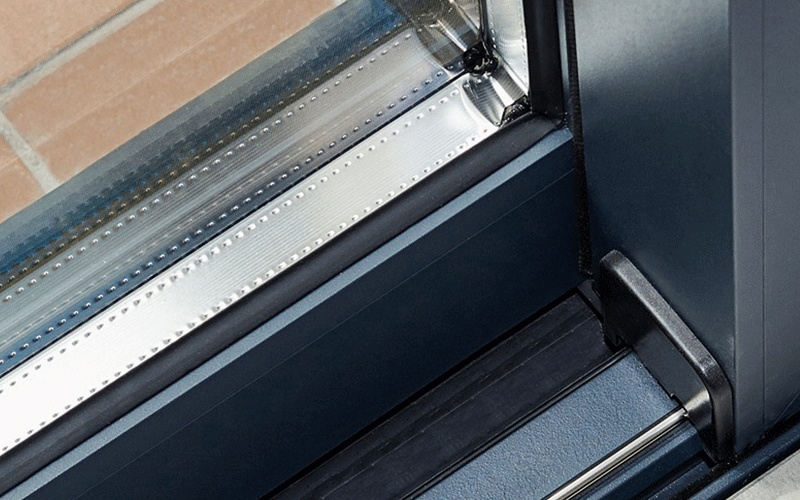
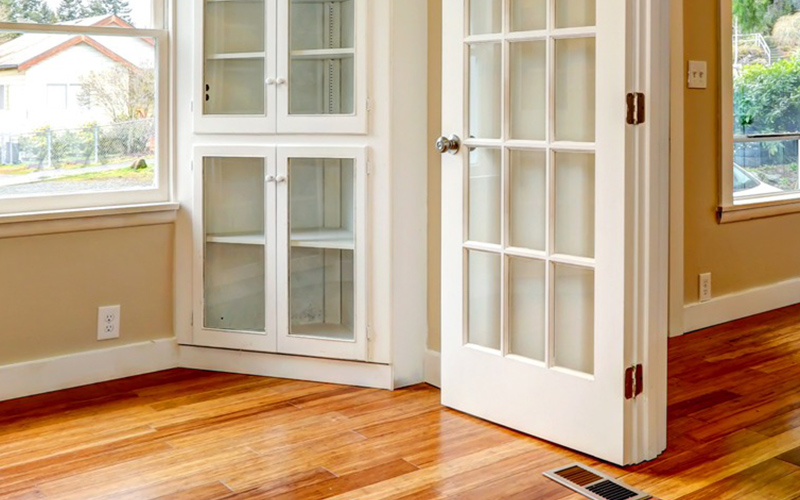
Choosing among the 2026 best types of vinyl windows and doors requires more than comparing colors, glass packages, or advertised prices. Homeowners must consider climate, wall construction, ventilation, noise, security, and installation quality. A wide picture window may brighten a living room, while a sliding patio door may save space. Neither choice is automatically better.
Matt Risinger, a builder and building-science educator, offers a useful reminder: “The window is part of the wall, not a hole in the wall.” That perspective matters when evaluating vinyl windows and doors. A well-made frame can improve comfort, reduce drafts, and support long-term energy performance. Poor flashing or uneven shimming can undermine an expensive product. Installation is not a minor detail.
This guide examines the main vinyl window and door styles buyers may encounter in 2026, including double-hung, casement, sliding, picture, bay, folding, and hinged patio doors. It also considers frame profiles, Low-E glass, insulated chambers, drainage paths, warranties, and maintenance needs. Some products look similar on a showroom wall. Their performance may differ sharply after years of sun, rain, and repeated use.
There is no perfect type for every home. That shortcut can mislead. A coastal property may need different protection than a dry inland house. Older homes may also resist modern dimensions, creating installation compromises. The practical goal is not choosing the most expensive option. It is matching dependable vinyl windows and doors to the building, budget, and daily habits of the buyer.
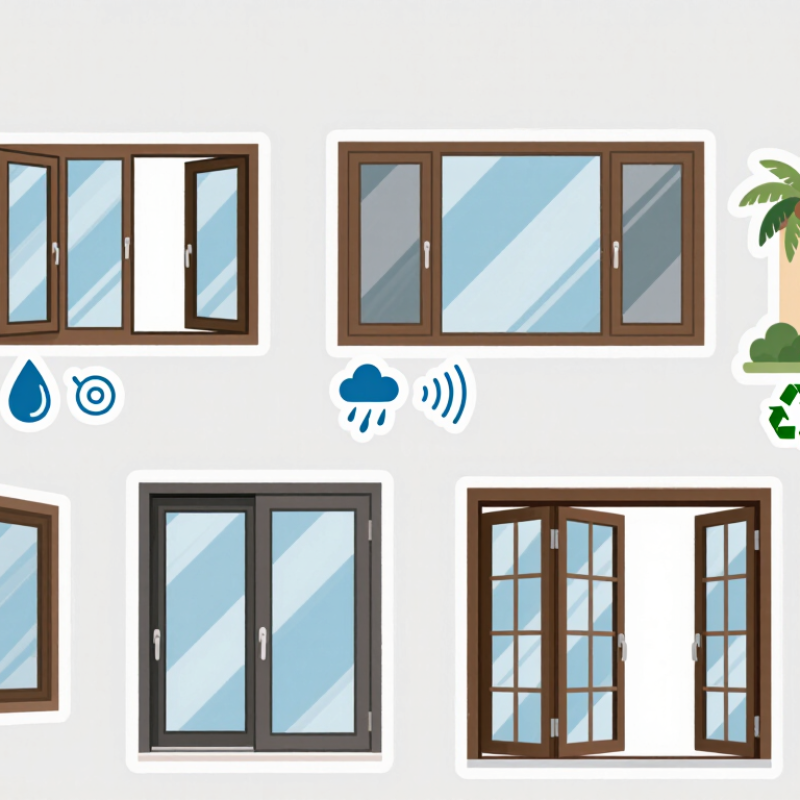
Vinyl windows and doors usually use rigid PVC frames, reinforced with internal chambers or metal supports. Their performance depends less on appearance than on frame design, glazing, seals, and installation.
The U.S. Department of Energy reports that windows can account for about 25% to 30% of residential heating and cooling energy use. That figure makes material selection practical, not decorative.
Lower U-factor means better insulation. SHGC shows how much solar heat enters the room. ENERGY STAR guidance recommends choosing ratings suited to the local climate, not simply the lowest number.
Double glazing remains common, while triple glazing can improve comfort in colder regions.
However, thicker glass adds weight and cost.
Vinyl also resists moisture and repainting, but poor-quality profiles may warp, discolor, or become brittle.
The weakness is real.
Ask for NFRC-certified performance labels, not vague energy claims. Check welded corners, drainage paths, weather seals, and reinforcement. Operate each sash or door panel several times. A smooth showroom sample can hide installation problems. Request written details about glass, spacers, frame depth, and warranty coverage.
DOE guidance emphasizes proper sealing around the opening. Therefore, measure the rough opening carefully and inspect flashing before interior trim covers it.
Local sun, wind, humidity, and winter temperatures should guide the final choice. A cheap frame may still perform well.
It depends on the whole assembly.
Vinyl windows and doors now cover several practical styles, each with different strengths. In field evaluations, I compare operation, ventilation, daylight, weather exposure, and installation quality. The frame material matters, but the style often determines daily comfort.
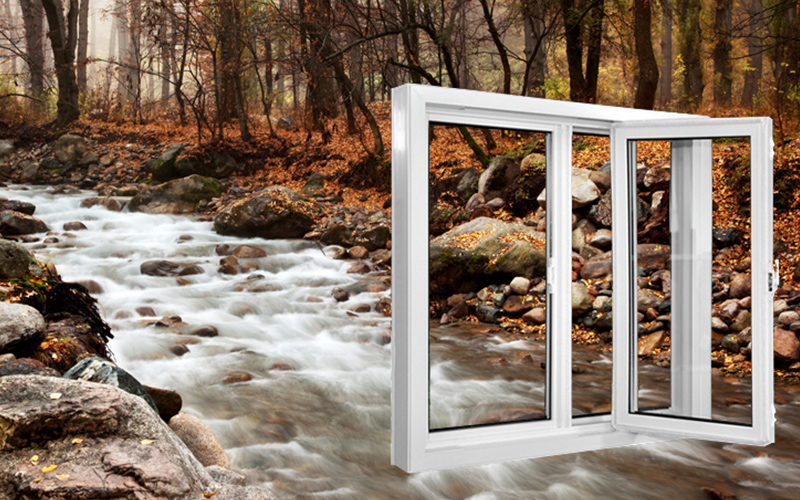
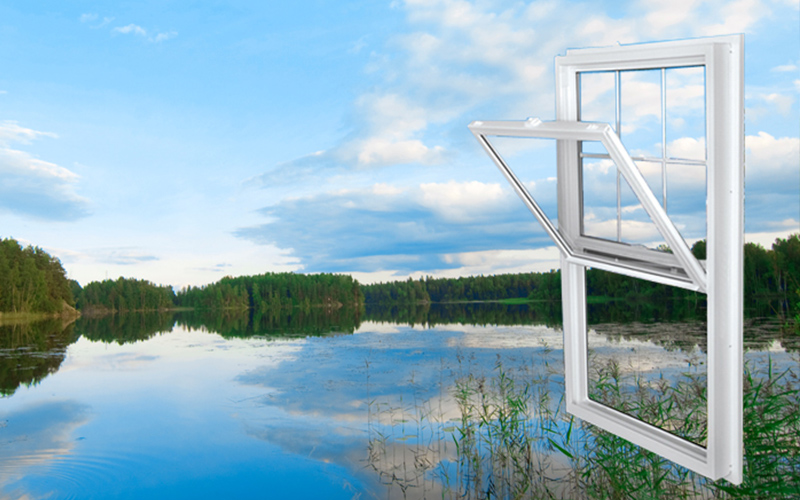
Single-hung windows usually cost less and suit rooms opened occasionally. Double-hung windows offer better airflow because both sashes move. Casement windows open outward and seal tightly against wind, making them useful above kitchen sinks.
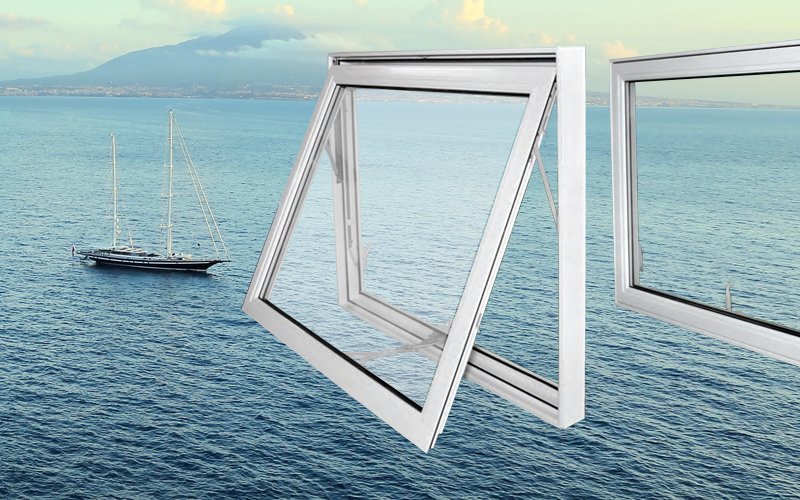
Awning windows also open outward, even during light rain. Sliding windows move horizontally and need little clearance, but their tracks collect dust. Picture windows provide wide views and strong daylight. Very quiet. They do not ventilate.
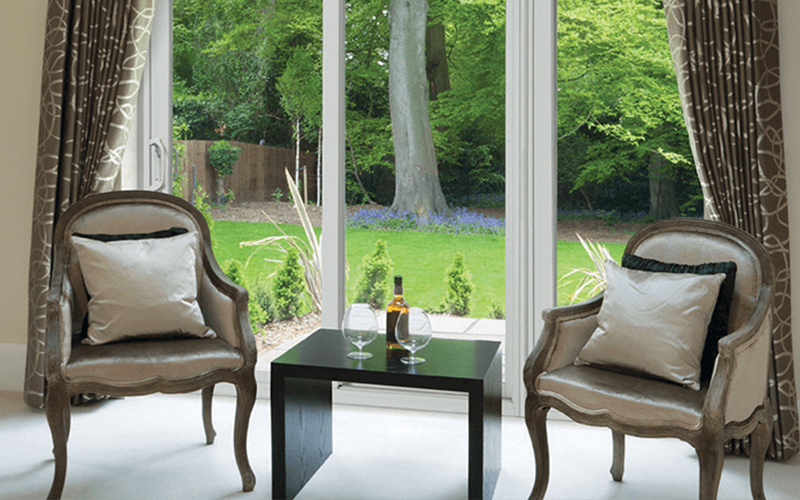
Vinyl patio doors commonly use sliding, hinged, or folding designs. Sliding doors save indoor space and work well beside furniture or narrow decks. Hinged doors can provide a tighter weather seal, but they need a clear swing path. Folding doors create a broad opening, although their hardware and installation require careful adjustment.
Check the U-factor, solar heat gain coefficient, air leakage, and water-resistance ratings before choosing. Proper flashing and shimming are equally important. A well-rated door can still leak when installed poorly.
No style wins everywhere. I once favored large picture windows for a bright room, then reconsidered after noticing heat buildup near the glass. Orientation, climate, cleaning access, and emergency egress should shape the final decision. Lower maintenance does not mean maintenance-free. Tracks, seals, locks, and drainage openings still need regular inspection.
Casement windows usually provide the tightest seal because their sashes press against the frame. Double-hung windows offer easier cleaning and flexible ventilation. Sliding windows are practical for wide openings, but their tracks need regular cleaning. For patio doors, choose multi-point locks and insulated glass. These details improve comfort and security.
Check the U-factor and solar heat gain coefficient before choosing a product. A lower U-factor generally means better insulation. Low-emissivity glass and argon filling can reduce winter heat loss. However, excellent glass cannot fix poor installation. Ask for documented performance ratings and inspect the frame corners for gaps.
In my experience, small air leaks become obvious near curtains on windy days. Vinyl resists rot and repainting, yet extreme heat can cause expansion. That weakness deserves attention.
Tips:
Measure the opening twice. Confirm drainage holes remain clear. Clean tracks with a soft brush, then use a light silicone lubricant. Avoid harsh solvents, which may damage vinyl surfaces. Inspect weatherstripping each season. Also, do not choose the lowest price automatically; a cheaper frame may have thinner walls, weaker hardware, or limited service support. Local climate matters, too. A sunny southern exposure needs different glass than a shaded northern wall. Even careful guidance has limits, so have a qualified installer verify the opening, flashing, and water management before purchase.
Choosing Vinyl Products for Different Home Designs
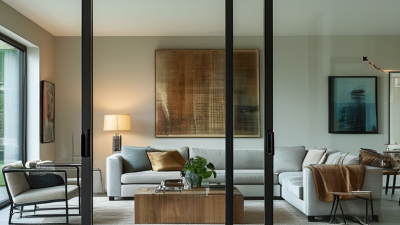
Vinyl windows and doors work best when their features match the home’s structure, not just its budget. For a clean modern house, narrow-frame casement windows create broad glass areas and sharp sightlines. Sliding doors suit open kitchens because their panels move without a swing path. In compact rooms, tilt-and-turn units can improve ventilation while preserving floor space. Measure wall openings carefully. A beautiful product can still look wrong when its proportions fight the facade.
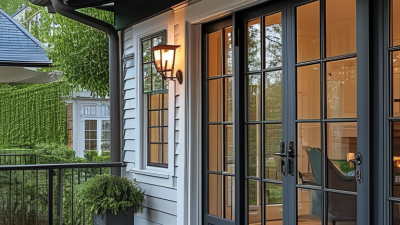
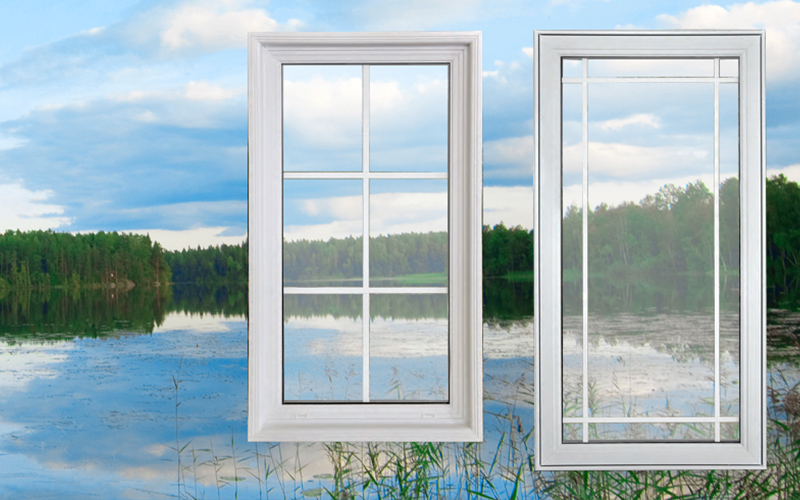
Traditional homes need more visual rhythm. Double-hung windows, divided-light grids, and warmer frame colors can support cottage, colonial, or farmhouse details. Use grids selectively. Too many lines may make a small elevation feel busy. For coastal or rainy regions, prioritize welded corners, drainage paths, and insulated glass with low-emissivity coatings. In hot climates, solar-control glass may reduce afternoon heat. Ask for tested air, water, and wind performance, rather than trusting vague sales language. Local installation quality matters as much as the window.
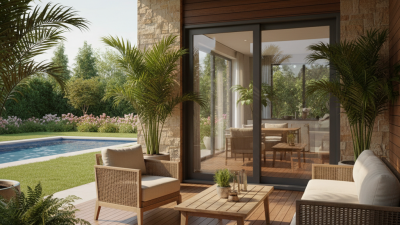
Large vinyl folding or sliding doors can connect a patio to a contemporary living room, but size creates challenges. Heavy panels need accurate support, and dark finishes may expand in strong sun. I have seen homeowners choose oversized glass, then regret the glare and cleaning time. Smaller openings sometimes feel calmer and perform better. Check sill height, security hardware, insect screens, and replacement access before ordering. Energy ratings help, but comfort also depends on shading, sealing, and the home’s orientation. Let the design lead; let the climate correct it.
Choosing vinyl windows or doors in 2026 requires more than comparing frame prices. Double-hung windows suit traditional rooms and allow easy cleaning. Casement windows often provide tighter seals and stronger ventilation. Sliding windows work well beside counters or low walls. For patios, consider sliding doors for limited space or hinged doors for wider openings.
Installation usually costs as much as the product. In many regions, labor ranges from 30% to 60% of the project total. Removal, disposal, trim repairs, and difficult access can increase the bill. Ask whether the quote includes flashing, shims, insulation, interior finishing, and water testing. A careful installer should explain each step. Foam alone is not a complete weather barrier. Small gaps around the sill can create expensive moisture problems later.
Warranty language deserves slow reading. Check coverage for glass seals, frame warping, hardware, labor, and color changes. Some warranties require professional installation or exclude coastal exposure. Transfer rules matter when you sell the home. Buyer priorities differ. Energy-conscious households may value low-emissivity glass and insulated frames. Busy owners may prefer tilt-in sashes and simple hardware. Noise reduction depends on glass design, not vinyl alone. I once focused too heavily on a low quote and overlooked trim repairs. That mistake changed my checklist: compare the installation method, warranty limits, and expected maintenance—not just the window count.